 Bắc Ninh


Bac Ninh sustains growth momentum through effective use of resources
BAC NINH - Bac Ninh continues to enjoy significant development potential, particularly in industry, as the province leverages its advantages and implements coordinated solutions to maintain growth among the fastest in Vietnam. With a solid foundation and strong determination, the Resolution of the first Provincial Party Congress for the 2025–2030 term sets a target of average annual economic growth of 11–12%.
According to Bac Ninh Statistics, the province recorded robust economic growth of 10.27% in 2025, ranking fifth among 34 provinces and centrally run cities nationwide.
 |
|
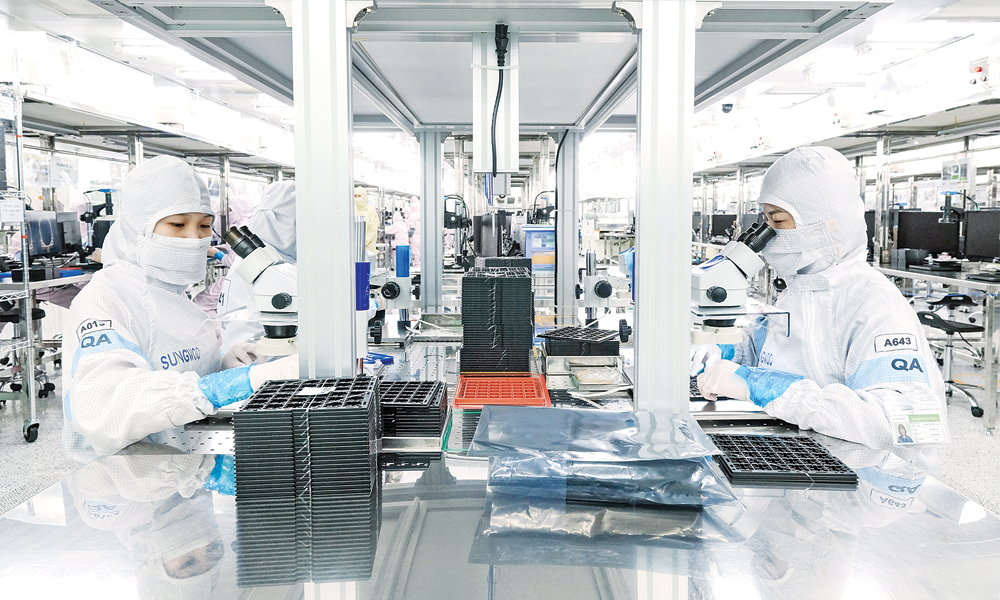
A production line operates at Hana Micron Vina Co., Ltd. in Van Trung Industrial Park. |
Industry and construction remained the main growth drivers, accounting for more than 73% of the province’s total added value and serving as the key engine of expansion.
In the fourth quarter of 2025, the industrial and construction sector is estimated to grow by 11.54%, while full-year growth reaches 11.37%, contributing as much as 8.43 percentage points to overall economic growth. Manufacturing continues to post strong growth of over 12%.
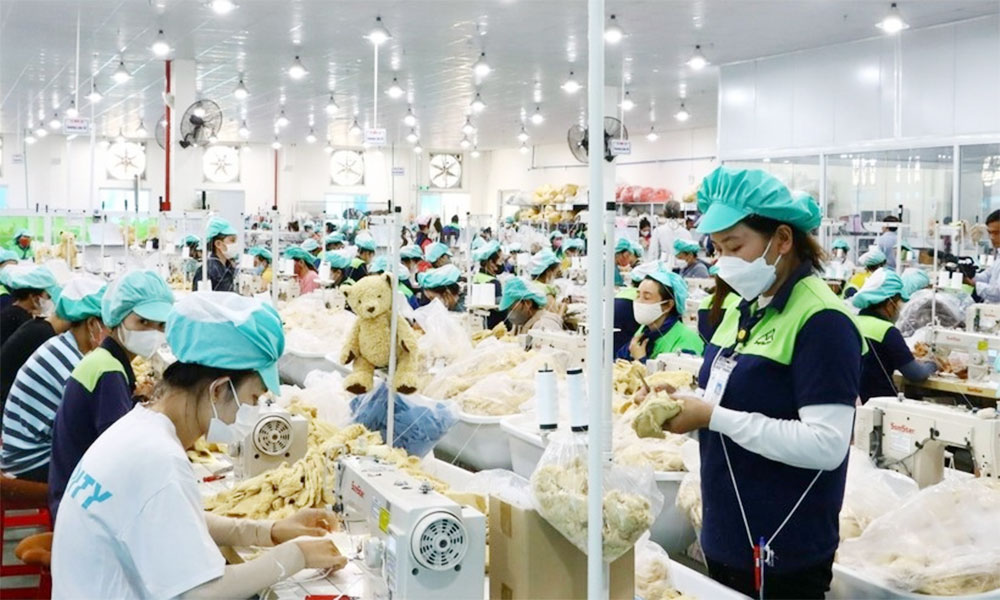
Dong Van Sung, head of Bac Ninh Statistics, says growth in the industrial sector mainly comes from large foreign-invested enterprises operating in industrial parks, including Foxconn, Luxshare and Samsung.
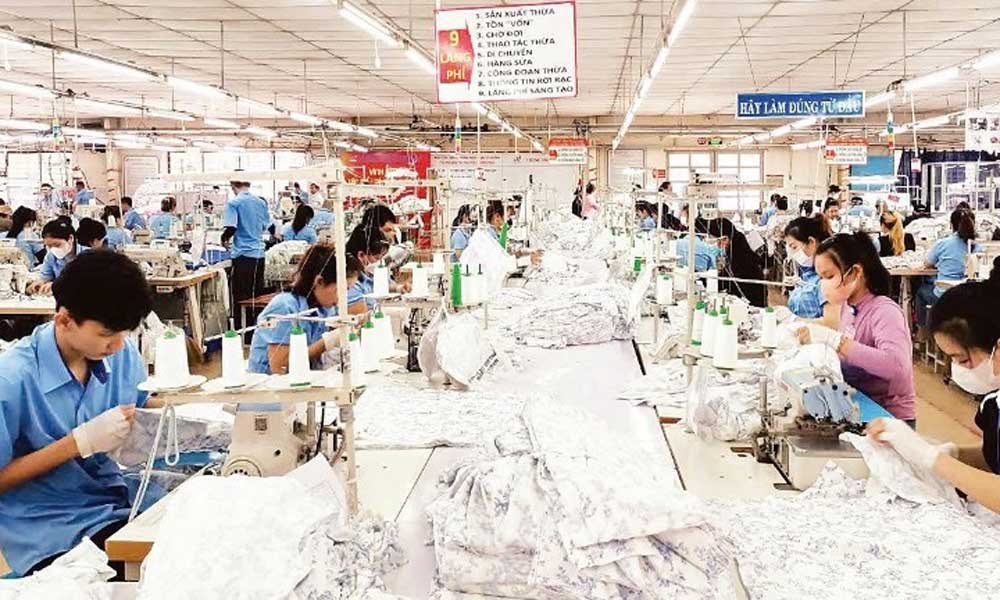
Key products recording high growth include garments, electronic components, optical products, peripheral devices, laptops, iPads, mobile phones and smartwatches.
These results show that Bac Ninh, following administrative consolidation, continues to maintain economic momentum and reaffirm its position as a major growth pole of the Hanoi Capital Region and the northern key economic zone. The resolution of the first Provincial Party Congress targets average annual growth of 11–12% during the 2026–2030 period.
Building on recent achievements, Bac Ninh aims to post even higher growth of 12.5–13% in 2026. The province is committed to promptly removing bottlenecks, unlocking and mobilising all available resources, and pursuing development as a foundation for stability and sustainable growth.
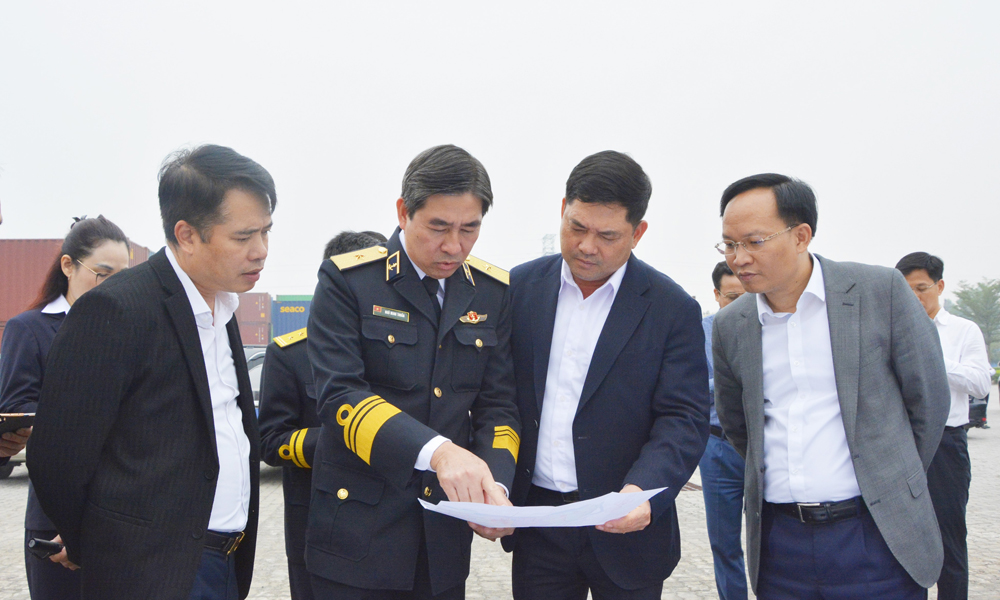
Authorities are also seeking to change working methods to improve efficiency and meet criteria for Bac Ninh to become a centrally governed city.
According to leaders of the provincial Department of Finance, achieving these targets will require a stronger focus on deep industrial development, especially high-tech manufacturing.
The province plans to increase the share of processing, manufacturing and supporting industries while gradually reducing reliance on simple assembly and processing.
In this spirit, the department will continue advising provincial authorities on attracting investment, particularly foreign direct investment and large enterprises capable of driving growth and leading domestic supporting industries and small and medium-sized enterprises to integrate more deeply into global supply chains.
Bac Ninh also seeks to capitalise on opportunities from new-generation free trade agreements signed by Vietnam, while supporting circular economy models in industrial parks and industrial production.
The province prioritises the formation and development of new industries, including semiconductor and chip manufacturing, robotics, environmental industries, renewable energy, new materials, artificial intelligence, information technology, pharmaceuticals, healthcare and renewable energy equipment.
The goal is to position Bac Ninh as a northern hub for semiconductor production, supporting industries and artificial intelligence.
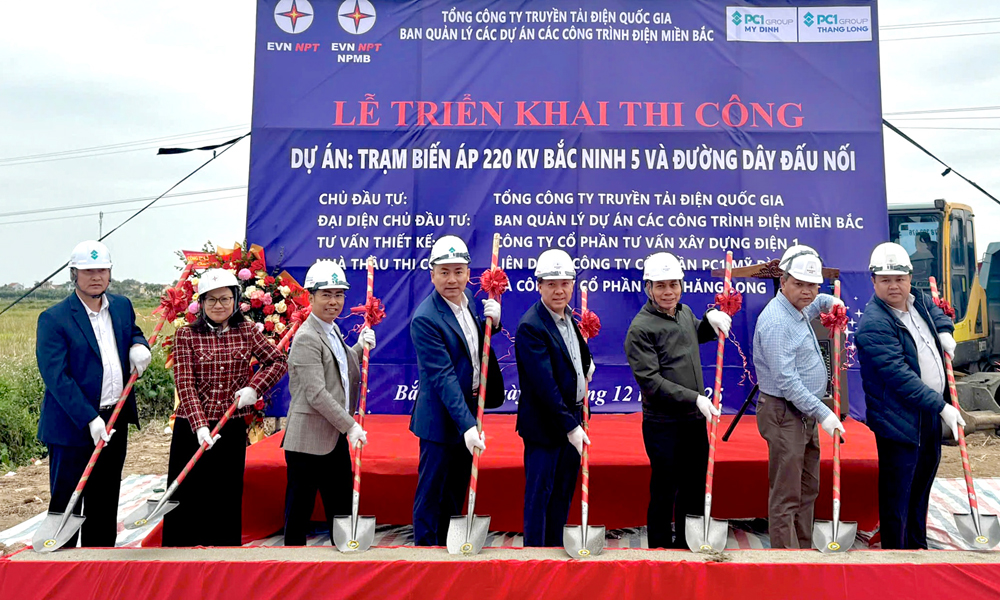
Alongside industrial development, Bac Ninh is accelerating the completion of major projects such as Gia Binh International Airport and large-scale urban developments by Sun Group and Vingroup.
The province is also expanding business, trade and services, with a focus on attracting investment in shopping centres, supermarkets and logistics services.
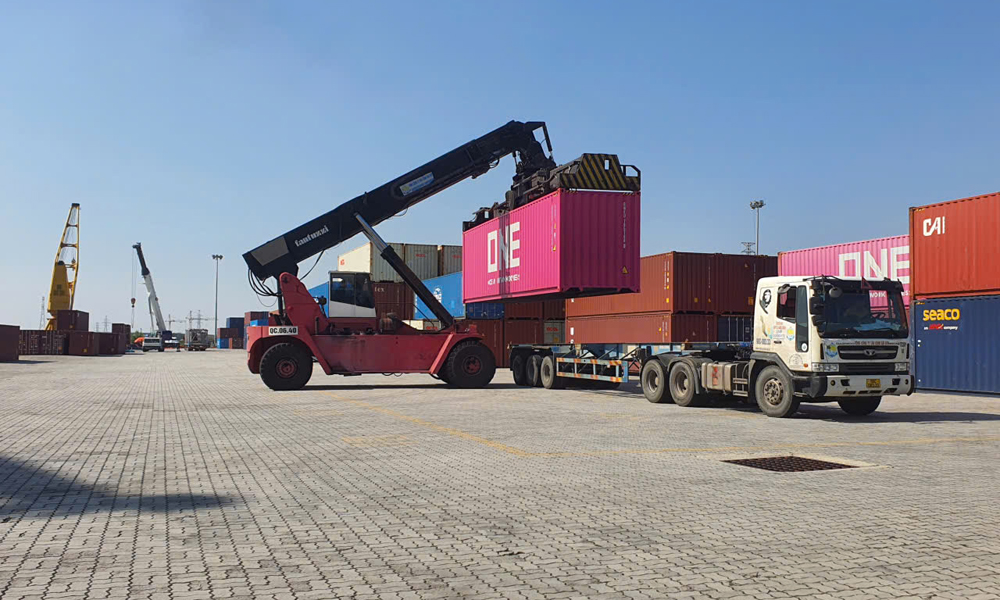
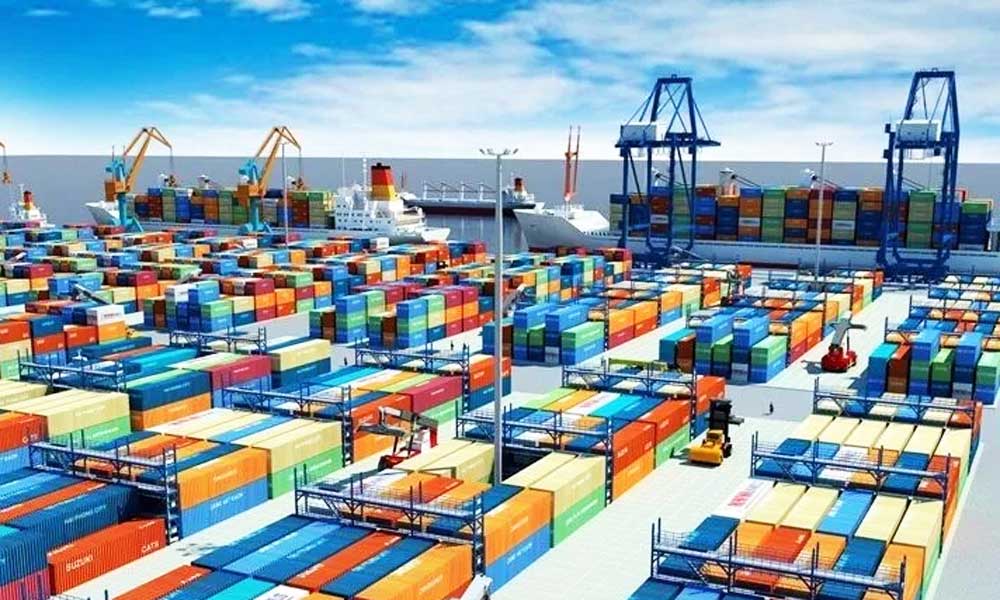
These efforts aim to turn Bac Ninh into a key gateway and logistics hub for northern Vietnam, providing transportation, warehousing, supply and transshipment services. Plans are also underway to establish regional-scale exhibition and trade centres.
| From the foundation built in recent years, Bac Ninh is targeting growth of 12.5–13% in 2026 to create momentum for the 2026–2030 period, with industry and construction growing by 14.3%, services by 8.5% and product taxes by 8.2%. |
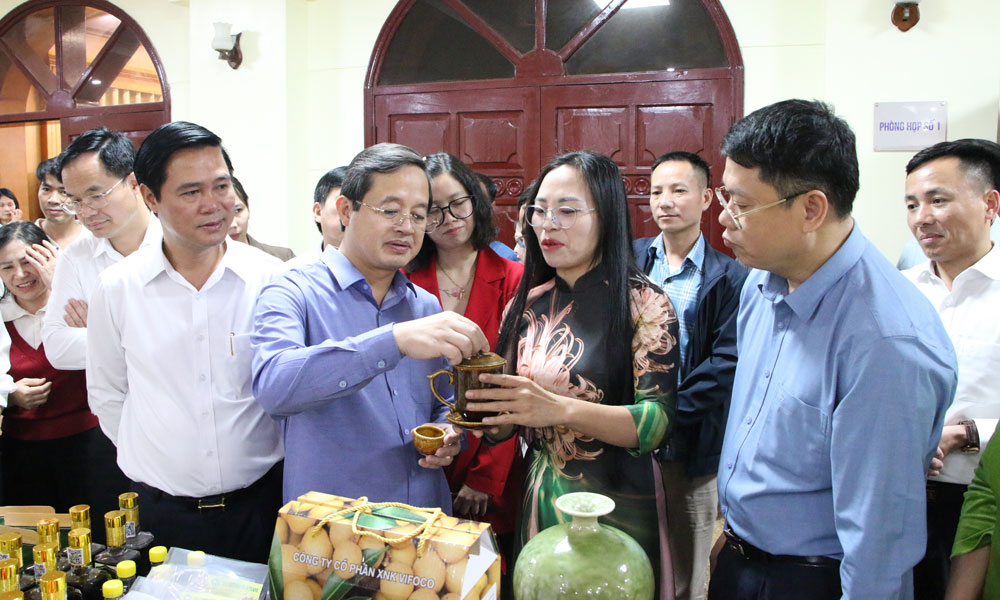
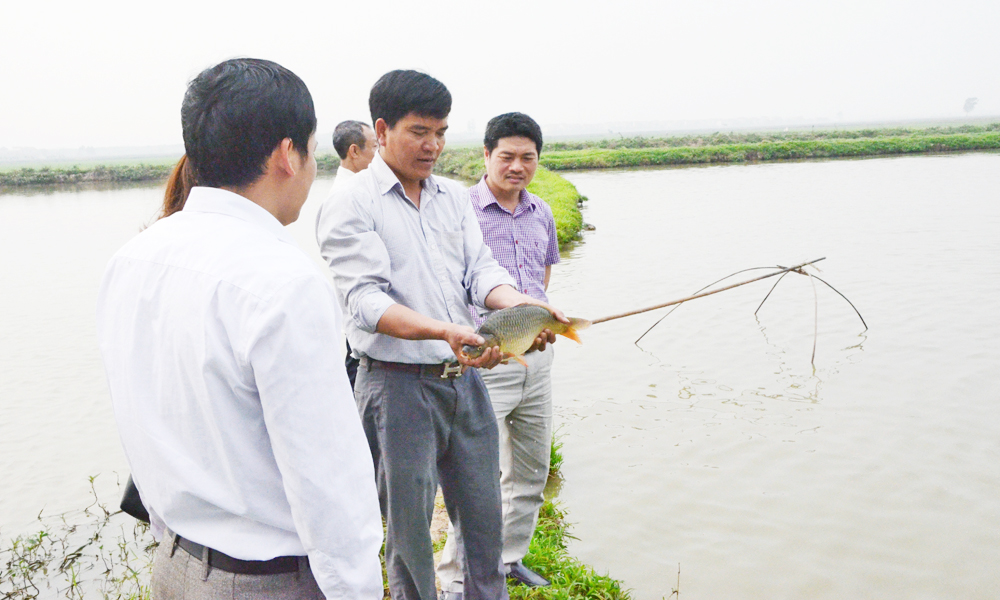
While prioritising industry and services, Bac Ninh continues to attach great importance to agriculture, viewing it as a pillar of the economy and a foundation for sustainable growth.
Accordingly, the province is pursuing more efficient and sustainable agricultural development based on integrated, multi-value approaches that enhance added value and competitiveness.
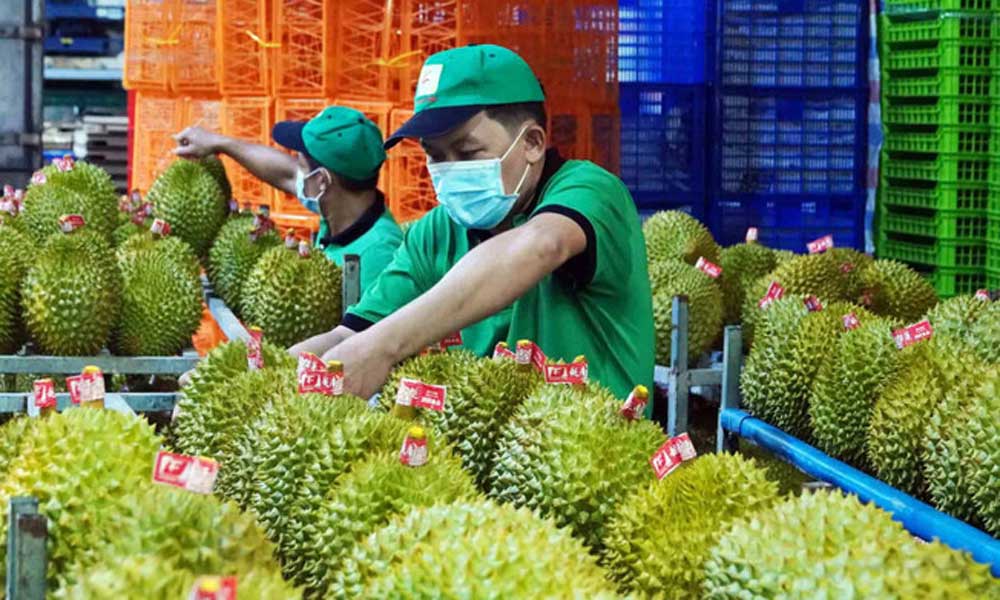
Key priorities include developing agriculture along value chains, applying high technology linked to ecological, circular and multi-value agriculture, and promoting economic cooperation between agriculture and trade, services and tourism.
Bac Ninh is also focusing on building concentrated commodity agricultural production zones and shifting from a production-oriented mindset to an agricultural economic development approach.
Investment in agricultural infrastructure is being stepped up to meet disaster prevention requirements and support large-scale, concentrated commodity production.
With comprehensive and coordinated solutions, Bac Ninh expects to continue making strong breakthroughs as it closes out 2025 and enters 2026, achieving further economic gains and creating momentum to meet targets for the entire 2026–2030 period.








Reader's comments (0)