 Bắc Ninh


Domestic market offers vast potential for textiles, footwear amid export challenges
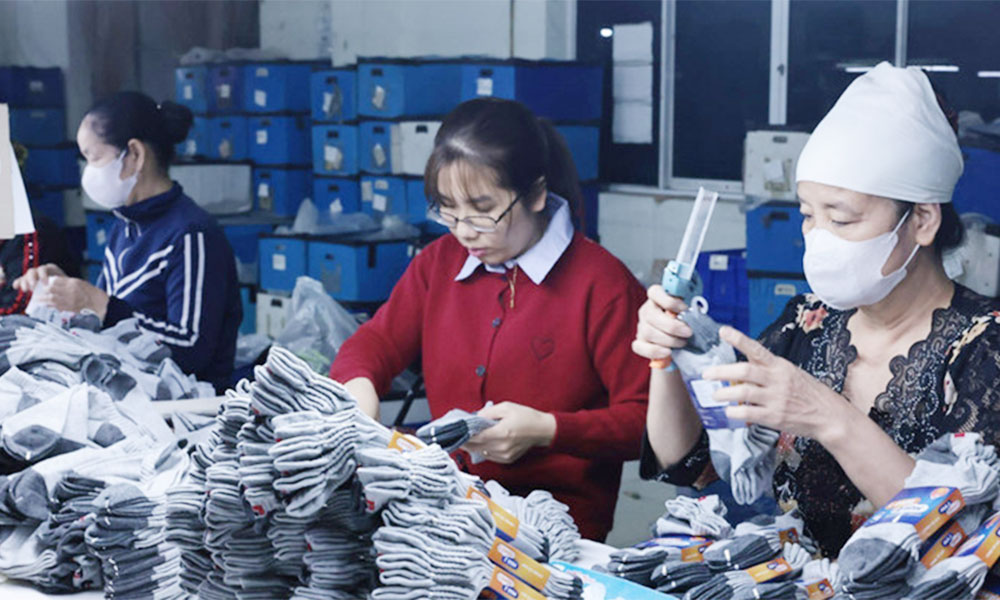
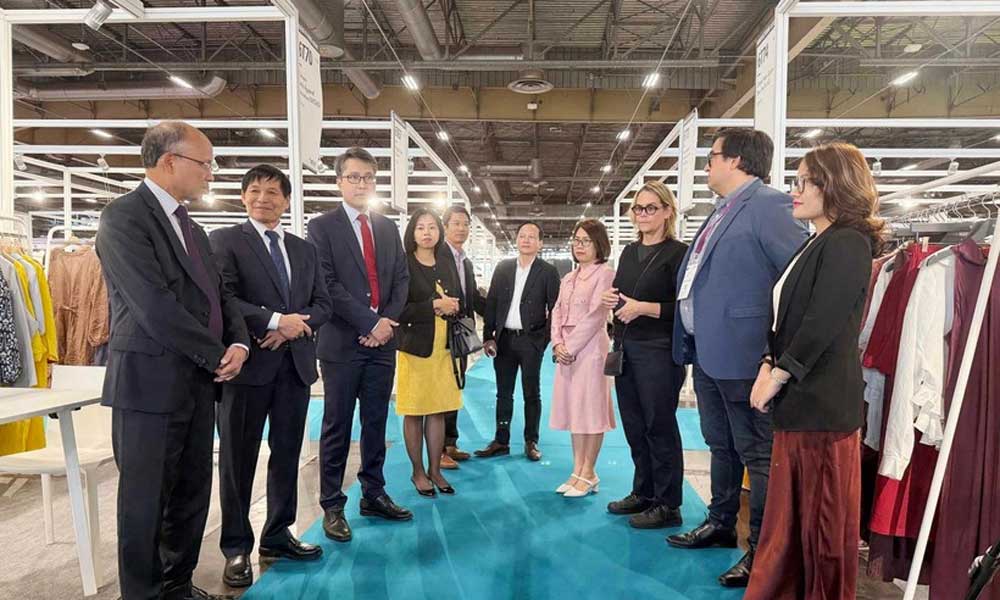
With a population exceeding 100 million and a rapidly expanding middle class, Vietnam is regarded as a highly promising market for fashion, footwear and apparel.
As exports face mounting difficulties in major markets, expanding the domestic market is emerging as an open pathway and a crucial “buffer” to help enterprises maintain growth and achieve sustainable development.
 |
|
With a population exceeding 100 million and a rapidly expanding middle class, Vietnam is regarded as a highly promising market for fashion, footwear and apparel. |
Vu Duc Giang, Chairman of the Vietnam Textile and Apparel Association (Vitas), said the home market remains a largely untapped “gold mine”. Vietnamese consumers are increasingly inclined towards domestically made products that offer good quality, suitable designs and competitive prices.
This, he noted, is the time for businesses to refocus on the home market rather than relying excessively on exports. According to Giang, concentrating on domestic demand not only stabilises businesses' sale but also enables consumers to access products manufactured by reputable companies that meet global standards.
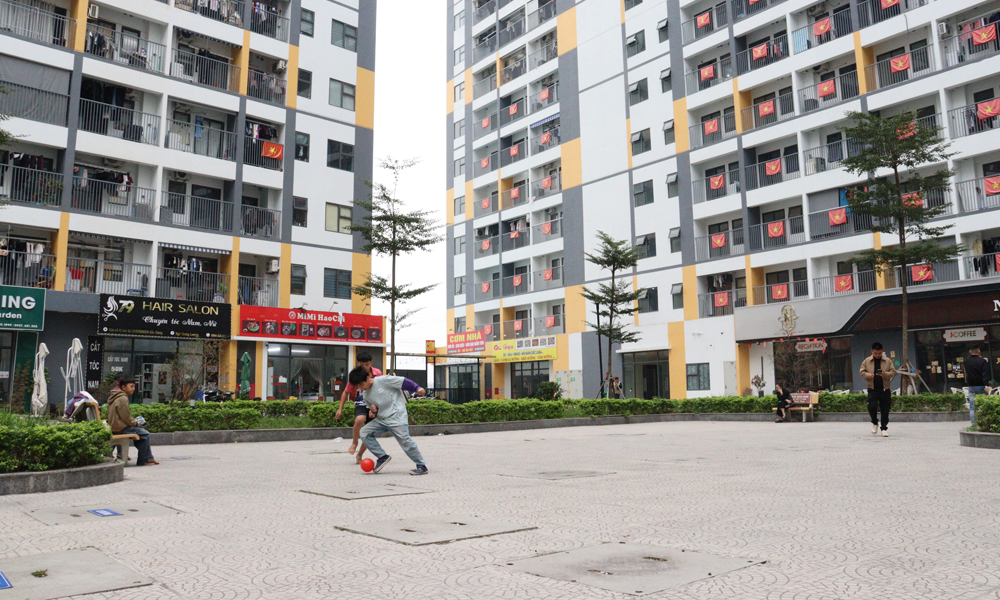
With a population exceeding 100 million and a rapidly expanding middle class, Vietnam is regarded as a highly promising market for fashion, footwear and apparel.
Local consumption of textile and garment products is estimated at around 5-5.5 billion USD annually, while footwear roughly 1 billion USD. In total, the market could reach some 6.5 billion USD, a highly lucrative opportunity if properly tapped.
International brands across both mass and premium segments have established a strong presence in the country through shopping centres, supermarkets and e-commerce platforms.
By contrast, domestic products have yet to secure a firm foothold, despite advantages in pricing and familiarity with local consumer preferences.
Returning to the “home turf” also presents significant challenges. The most pressing constraint is heavy dependence on imported raw materials.
In the textile sector, despite substantial export turnover, localisation rates stand at only about 51-52%. In 2025, the industry spent approximately 17 billion USD importing fabrics alone, out of total export earnings of 46 billion USD. This reliance reduces value added and leaves businesses vulnerable to global supply chain disruptions and logistics cost volatility.
Similarly, the footwear industry faces major obstacles due to dependence on imported materials and a relatively weak retail system. Some domestically produced handicraft items remain more expensive than imported goods, making it difficult for local products to compete, particularly in rural areas.
Phan Thi Thanh Xuan, Vice Chairwoman and Secretary General of the Vietnam Leather, Footwear and Handbag Association (Lefaso), said local enterprises currently hold about 40% of the market, mainly in the mid-range segment.
The domestic market offers strong potential for those seeking stability amid global trade uncertainty. Many are diversifying distribution channels, strengthening brand credibility, expanding e-commerce presence and achieving effective revenue growth.
However, businesses still face several obstacles in developing their foothold at home. Quality standards and regulatory systems remain limited, and enforcement against substandard goods is weak, making it difficult to compete with cheap products of unclear origin.
Under the ASEAN-China Free Trade Area, fully assembled imported footwear enjoys zero import duty, while imported raw materials are subject to tariffs of 5-10%. This imbalance places Vietnamese manufacturers at a disadvantage compared with foreign-made products.
Tran Huu Linh, director general of market surveillance and development agency under the Ministry of Industry and Trade, said that despite numerous challenges, focusing on the home market is a necessary long-term strategy.
Once Vietnamese textile and footwear enterprises build strong brands, a robust domestic production-consumption ecosystem could become a stable foundation for sustainable growth alongside exports.
Opportunities therefore come hand in hand with significant challenges: weak branding, dependence on imported inputs and fierce competition from foreign products.
If businesses and stakeholders coordinate effectively through design innovation, brand enhancement, diversified distribution channels and higher localisation, the “home turf” could become a solid pillar alongside exports, enabling the industry to achieve stable and sustainable growth.



.jpg)





Reader's comments (0)