 Bắc Ninh


Unlocking resources for housing development in Bac Ninh
BAC NINH - Bac Ninh province is seeking to unlock resources for housing development as the construction of Gia Binh International Airport – a major infrastructure project – opens up new growth space for the province and northern localities. Along with the opportunities, the project is also prompting adjustments to urban development planning, particularly in the housing sector, to meet expected population growth in the coming years.
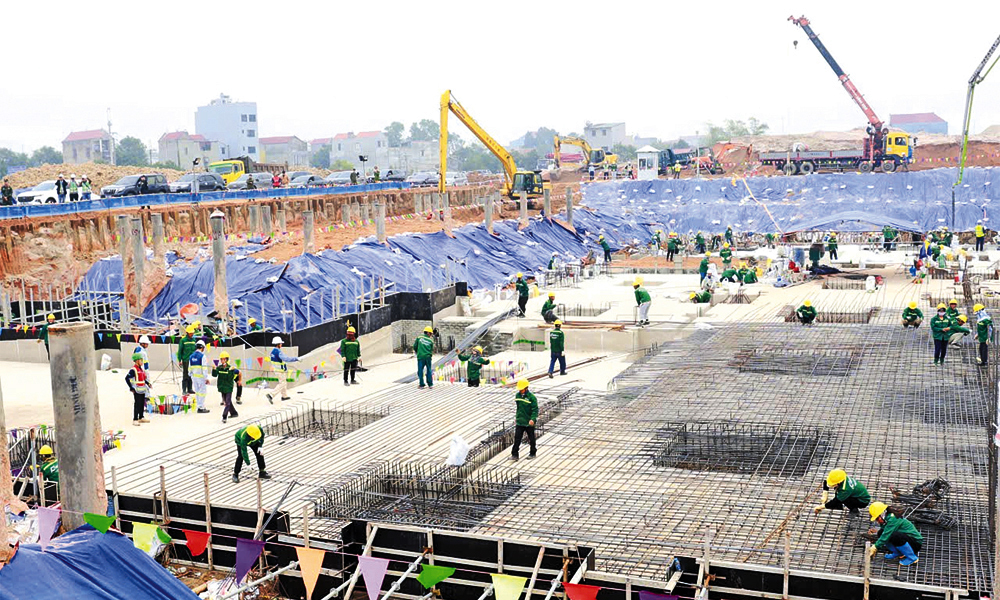
Gia Binh International Airport has been approved by the National Assembly for construction in line with international standards, aiming to become one of the region’s modern airports in Asia.
 |
|
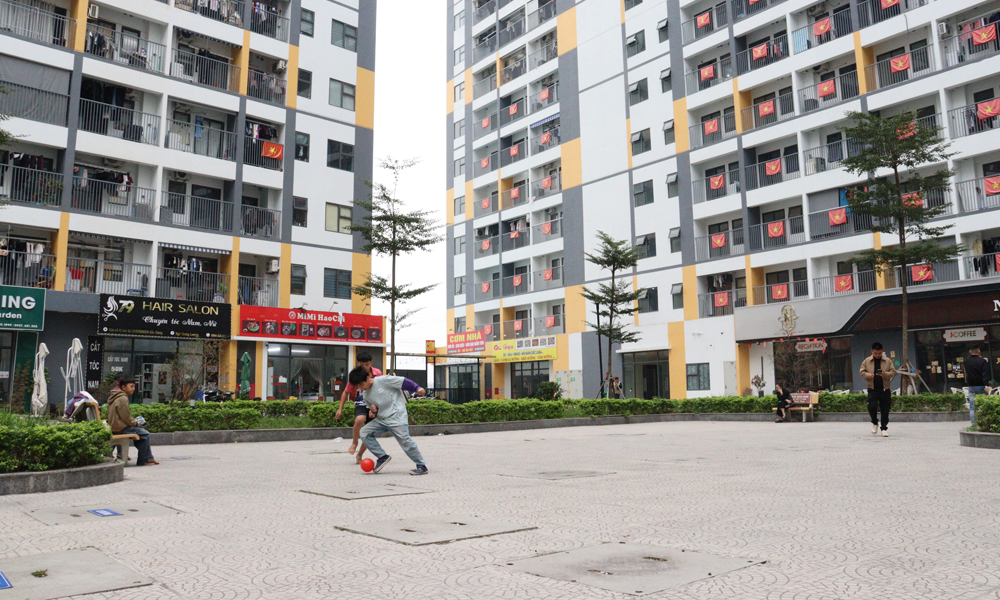
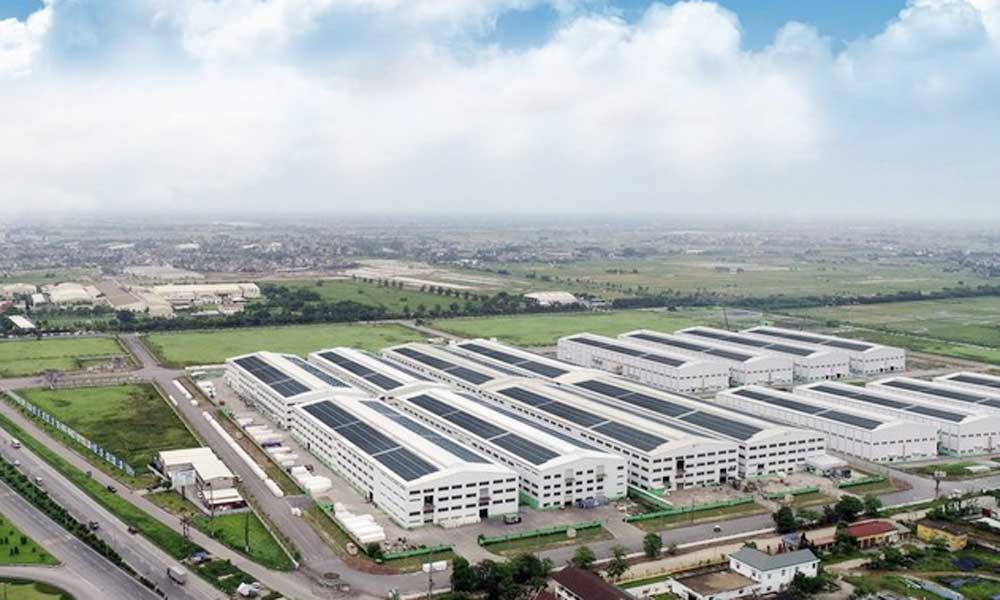
A social housing project in Nenh Ward provides stable accommodation for workers in industrial zones. |
The project has a total investment of about 196 trillion VND (7.45 billion USD) and will cover nearly 1,885 hectares. It will be implemented in two phases from 2025 to 2050.
During the first phase from 2025 to 2027, several key components of the airport will be built to serve the APEC 2027 summit. The airport’s connectivity with Hanoi and with strategic transport routes currently under planning and construction is expected to create a major breakthrough in Bac Ninh’s transport infrastructure.
With a multimodal transport network, the southern area of the Duong River is planned to develop into an airport urban ecosystem featuring logistics hubs and research-and-development centres.
| According to the master plan, the airport urban area and its supporting urban zones will cover around 30,400 hectares, with the population projected to reach about 1.85 million by 2050. Projects serving Gia Binh International Airport, both directly and indirectly, are expected to create demand for roughly 10,000 hectares of residential land, equivalent to about 100 million square meters of housing floor space, accommodating around 1.3 million residents. |
This development is expected to become a new growth driver for Bac Ninh, expanding development space, enhancing competitiveness and promoting international integration.
Under the master plan, the airport urban area and its supporting urban zones will cover about 30,400 hectares, with the population projected to reach around 1.85 million by 2050.
Projects serving Gia Binh International Airport alone are expected to require about 10,000 hectares of residential land, equivalent to 100 million square metres of housing floor area, accommodating roughly 1.3 million people.
By comparison, Bac Ninh’s housing development programme for the 2021–2030 period, approved earlier, planned to add only about 98.89 million square metres of housing floor space over the entire decade.
Of that, about 55.95 million square metres were expected to be developed during 2026–2030. This means the housing demand arising from the Gia Binh airport area alone is nearly equivalent to the province’s total planned housing development for the entire 10-year period.
Alongside the development of new urban areas, Bac Ninh is also focusing on social housing to meet the accommodation needs of residents and workers.
At the sixth meeting of the Central Steering Committee on housing policy and the real estate market in late February, Vice Chairman of the Bac Ninh People’s Committee Pham Van Thinh said that in the first months of 2026 alone, three new social housing projects had been launched with more than 2,000 apartments.
In addition, 29 other projects are currently under implementation, providing about 34,400 apartments, of which more than 20,000 are expected to be completed in 2026.
Gia Binh International Airport is not only a key national infrastructure project but also a test of Bac Ninh’s capacity for urban planning and development management.
To fully capitalise on the opportunities created by the strategic project, the province needs specific mechanisms for urban and housing development, particularly for projects arising from national development tasks.
If legal bottlenecks are addressed in a timely manner, Bac Ninh will be able to implement urban projects in a coordinated manner, create modern living spaces, attract high-quality human resources and promote sustainable economic growth.
Reader's comments (0)