 Bắc Ninh


Gia Binh International Airport project seen as catalyst for new growth in northern Vietnam
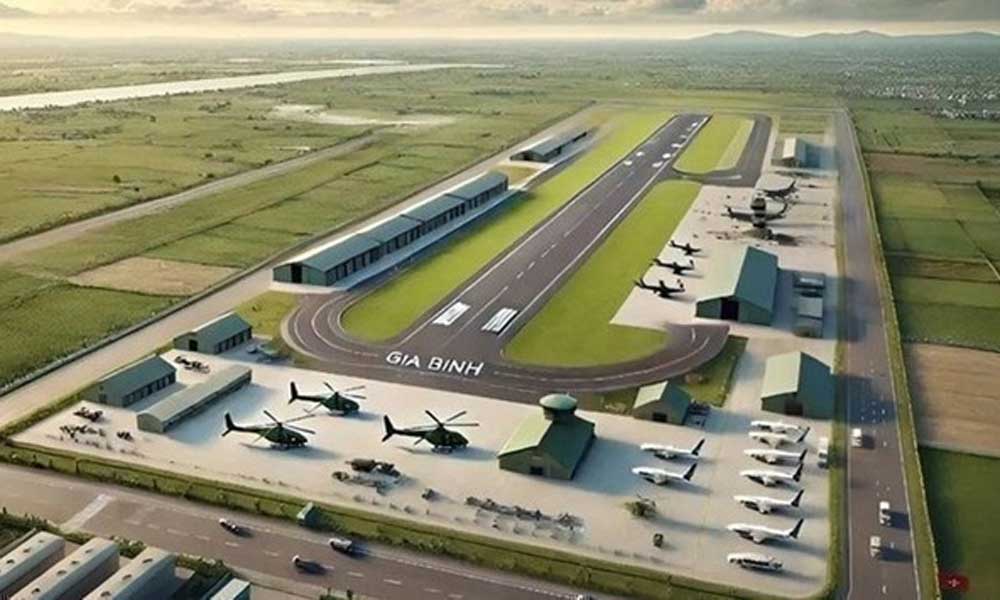
BAC NINH - Plans to build Gia Binh International Airport on nearly 2,000 hectares of land in Bac Ninh province are being pushed forward at pace with local residents and officials framing the airport as a strategic driver for economic expansion east of Hanoi.
The site spans parts of Gia Binh, Nhan Thang, Luong Tai and Lam Thao communes and involves large-scale land clearance affecting thousands of households.
 |
|
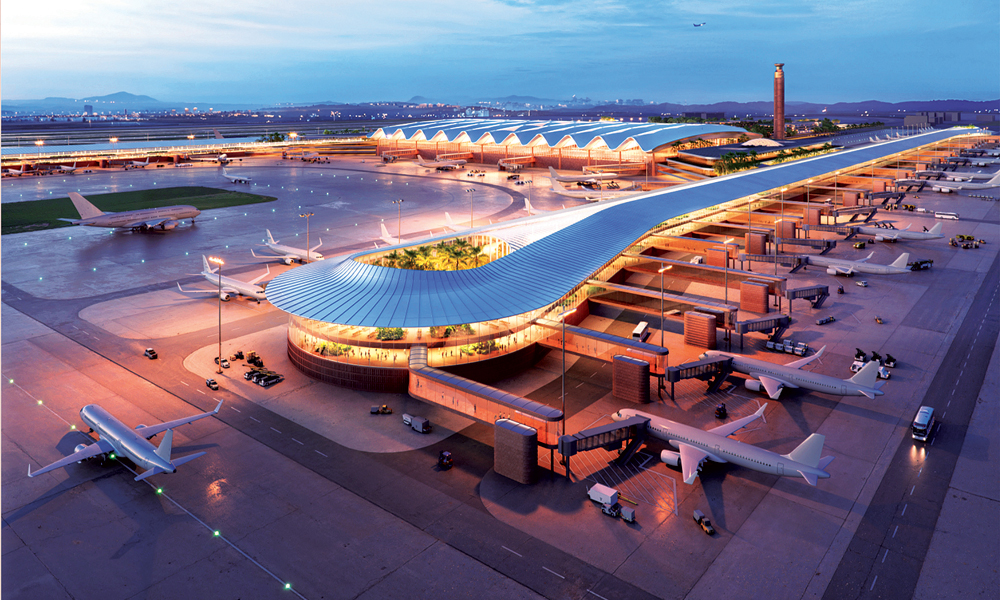
Perspective view of Gia Binh International Airport. |
Provincial leaders described the project as a high-priority political task and have overseen an intensive land-acquisition process intended to create a clean site for investors as quickly as possible.
Officials said more than 1,000 hectares of residential and agricultural land and on-site structures have already been surveyed and handed over to developers in a short timeframe, a result they attributed to coordinated government efforts and broad community consent to relocate in support of the national priority.
Authorities have implemented a “resolve problems where they arise” approach to speed up clearing and resettlement.
The government and Ministry of Construction view the Gia Binh airport as an infrastructure priority with several strategic goals. Those include relieving pressure on the already congested Noi Bai International Airport, supporting rising air-transport demand across the northern key economic region, and anchoring a new growth pole to the east of Hanoi.
The project has also been designated as one of the infrastructure works to be expedited for use at the APEC leaders’ summit in 2027, prompting special procedural arrangements to shorten preparation times.
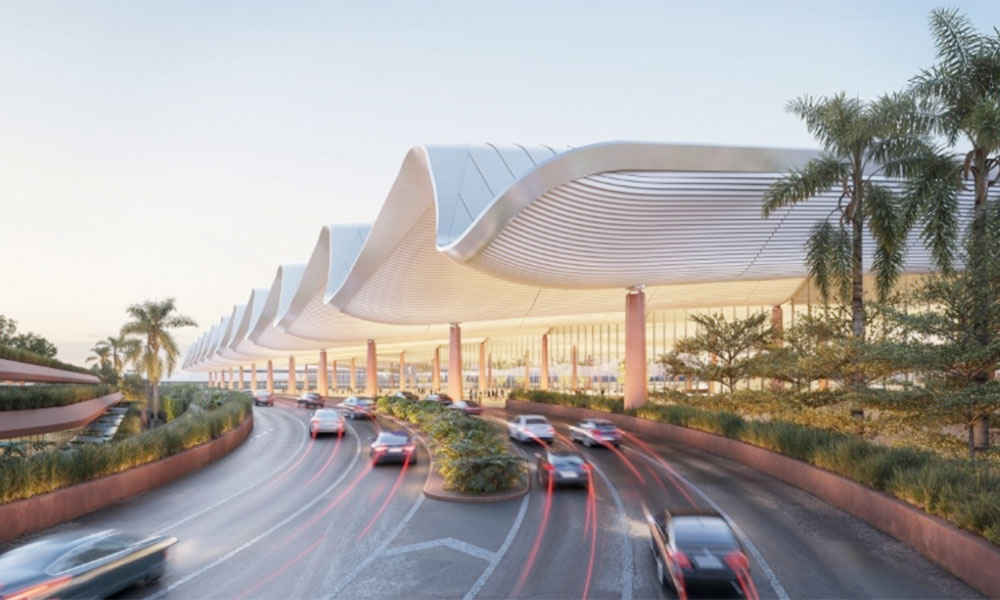
Designed to international standards, the airport is planned as a next-generation, green and “smart” facility that will serve both civilian and defence uses.
Targets set by planners call for a five-star service standard and ambitious traffic capacity: about 30 million passengers and 1.6 million tonnes of cargo a year by 2030, rising to approximately 50 million passengers and 2.5 million tonnes of cargo annually by 2050.
Given the project’s urgency, contractors have concentrated resources on rapid construction.
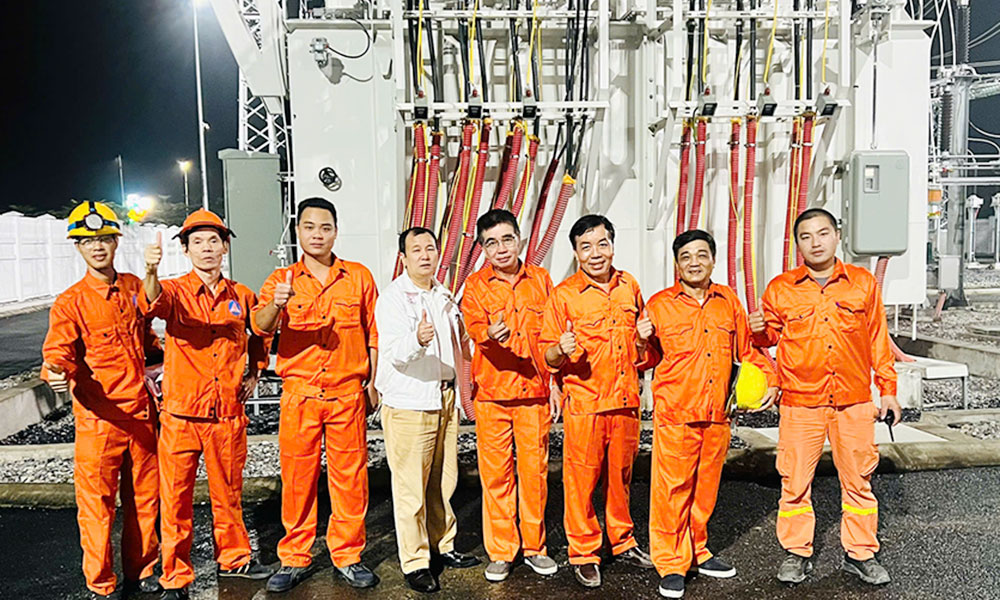
Work has continued around the clock where feasible, with engineers and thousands of construction workers mobilised and transporting materials along rural roads, transforming the once-quiet countryside into a busy building zone.
Contractors have implemented dust-control and road-washing measures to limit environmental impacts during intensive earthworks.
Resettlement planning has been treated as a central component of the rollout. Authorities say the new resettlement zones are being laid out with modern utilities and infrastructure to provide stable housing and livelihoods for relocated families.
Officials argue that well-planned resettlement will help ensure social stability and allow affected residents to start new economic activities once they move into their upgraded homes.
Local reaction has been broadly positive, provincial leaders said, with many households agreeing to hand over properties to support the national project and to open up “new development space” for their communities.
 |
|
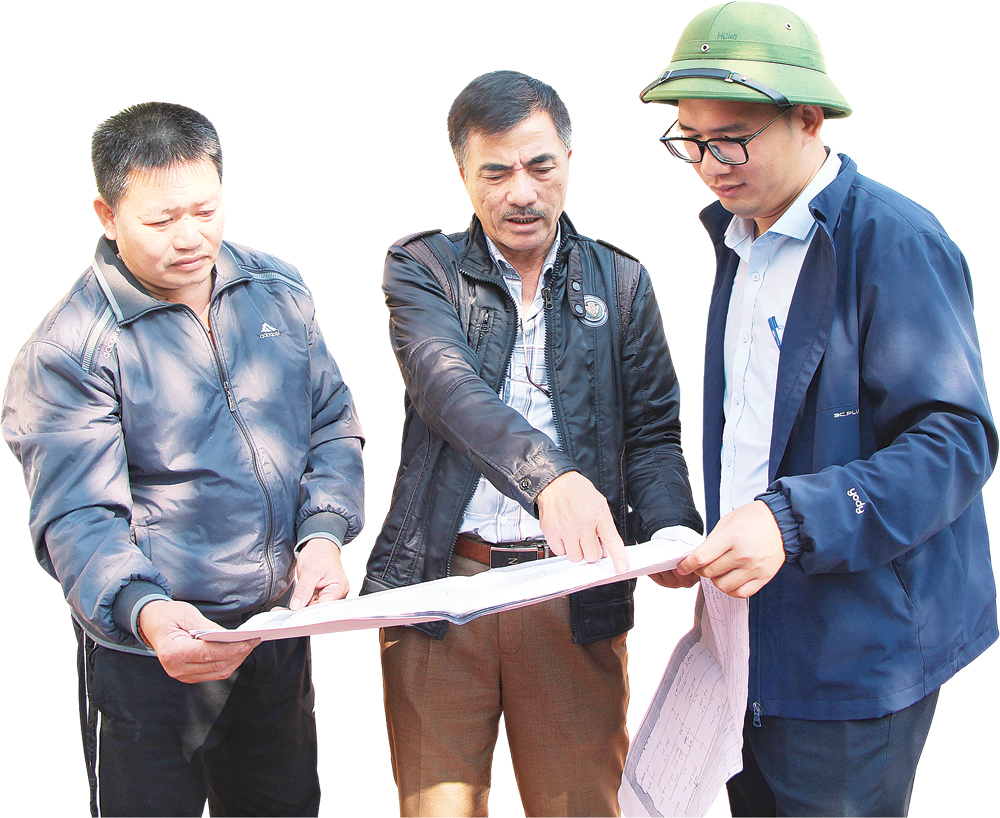
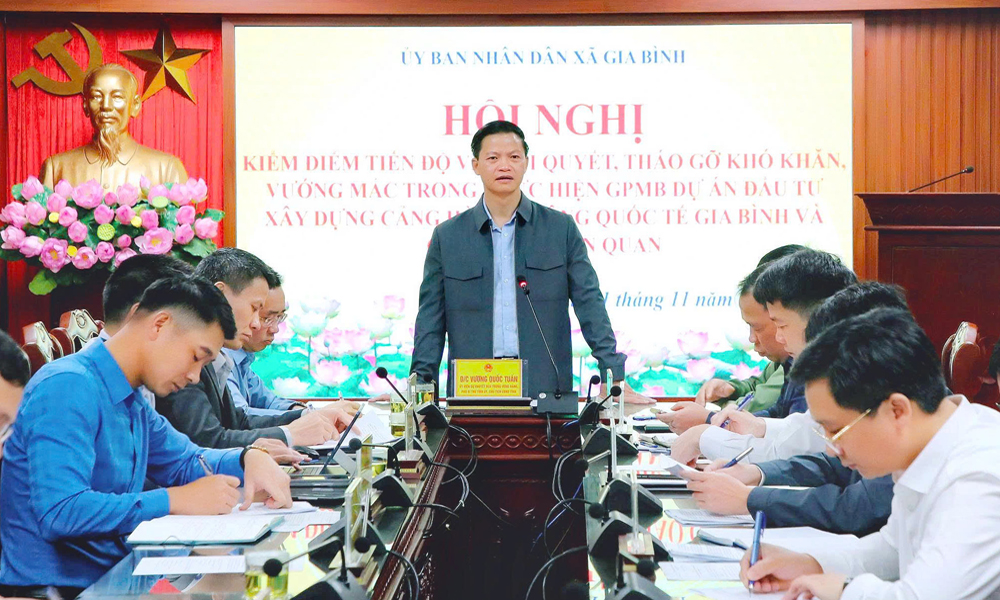
Officials from the provincial Land Fund Development Center, together with leaders of Trinh Khe village in Trung Chinh commune, explain land clearance and compensation policies to local residents as part of land acquisition for the project. |
Officials emphasised the symbolic and practical significance of transforming a historically agricultural area into a transport and logistics hub that could feed investment, services and urban development into the surrounding region.
While authorities highlight the economic and strategic upsides, large infrastructure projects of this scale typically raise concerns about environmental effects, compensation fairness and how quickly promised social and economic benefits materialise.
Provincial officials said they would maintain close supervision of progress and of measures to protect the environment, while pressing contractors to meet schedules required by the project’s elevated status.
As construction accelerates, the Gia Binh project is being framed by planners not merely as an airport but as a long-term engine for regional integration, export logistics and tourism development, part of a broader push to rebalance and expand Vietnam’s aviation capacity to meet the country’s fast-growing economy.
.jpg)










Reader's comments (0)