 Bắc Ninh


Helping residents settle and build new lives
BAC NINH – Hundreds of households in Bac Ninh province are preparing to relocate to make way for the Gia Binh International Airport project, a major national infrastructure development aimed at boosting regional connectivity and economic growth.
With broad public consensus, residents in several communes have agreed to move from their homes, adopting what local officials describe as a spirit of “giving up land and homes for national development.”
 |
|
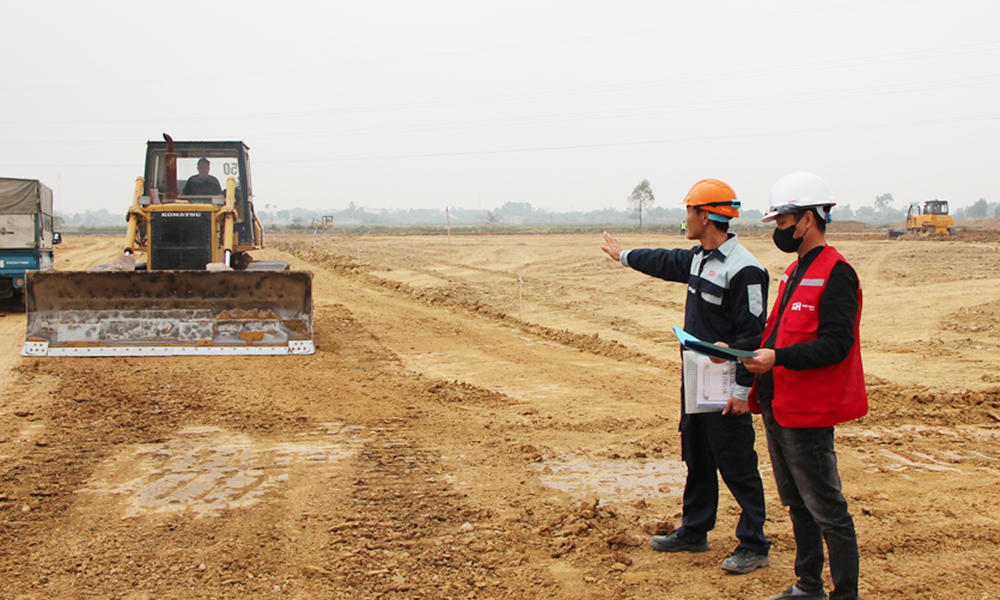
The resettlement project in Gia Binh commune is currently under construction. |
To ensure stable livelihoods for affected families, provincial authorities have arranged resettlement areas and introduced support policies to help residents adapt to new living conditions.
Bac Ninh has set a target to complete all land clearance work for phase one of the Gia Binh International Airport project, ensuring the handover of land for runway construction and facilities serving the Asia-Pacific Economic Cooperation (APEC) 2027 meetings on schedule.
According to provincial plans, land clearance for resettlement areas and cemeteries is expected to be completed by Jan. 30, 2026, while the relocation of graves within the runway and APEC-related construction area is scheduled to finish by Feb. 5, 2026. Compensation and resettlement plans for the entire affected area are due to be approved in January 2026.
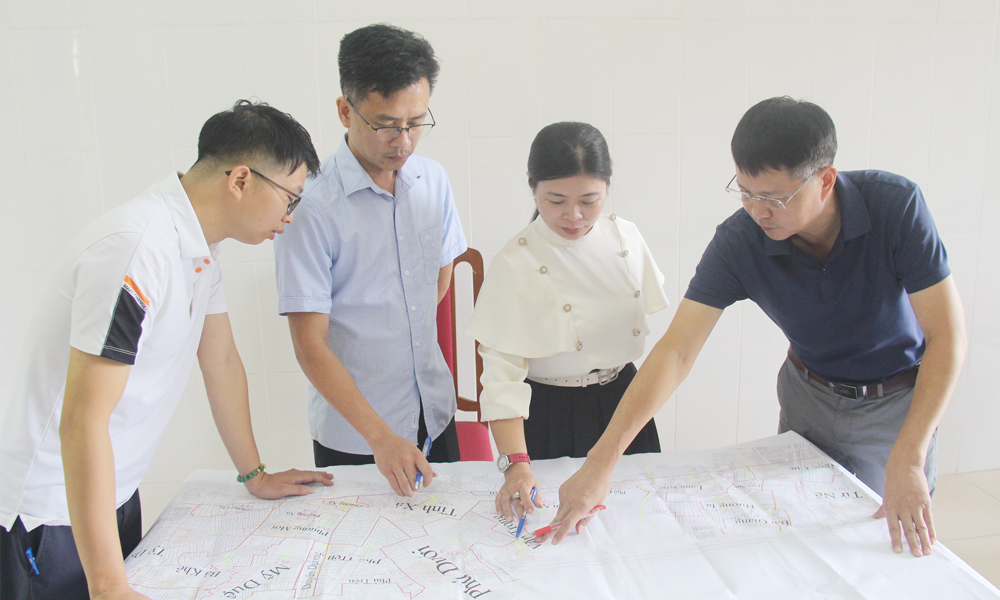
Several villages will be required to relocate in full. Local authorities have conducted extensive outreach to explain policies and compensation mechanisms, helping residents understand the significance of the project and their entitlements.
Ngo Thon village in Gia Binh commune is among those slated for complete relocation. Many households have already begun arranging their property in preparation. Nguyen Duc San, a resident of Ngo Thon, owns more than 1,000 square metres of residential and farm land.
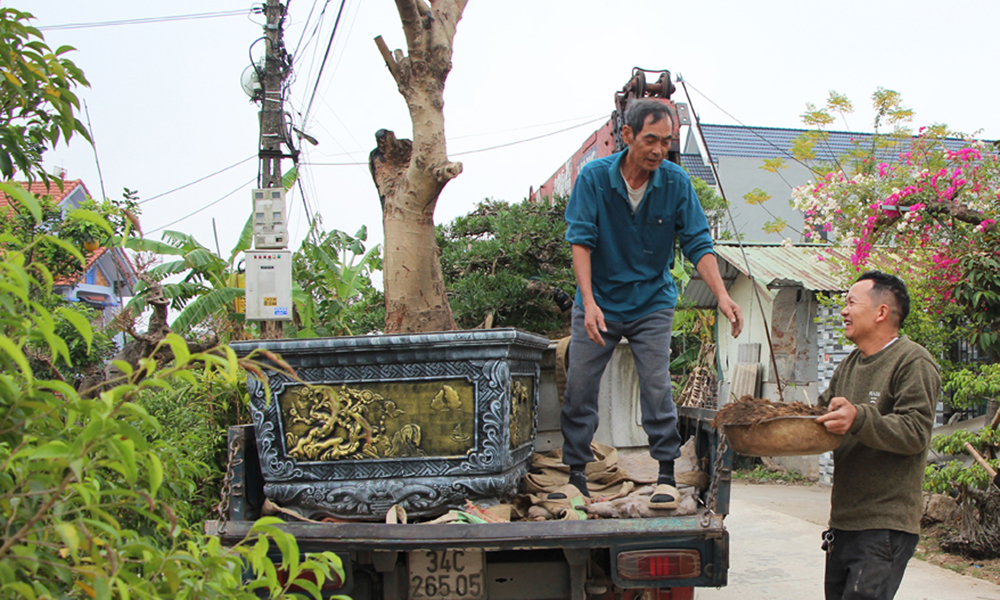
In addition to farming, his family grows ornamental plants and raises fish for extra income. He has begun harvesting fish and selling some plants, while moving others to the new site.
Ngo Thon has more than 200 households and over 600 residents. According to village Party chief Nguyen Van Kim, residents have shown strong support for the airport project and have actively cooperated with authorities in land and asset inventories.
Alongside compensation and land clearance, local authorities are accelerating the construction of resettlement-related projects, including cemetery parks in Dai Lai, Trung Chinh and Luong Tai communes, as well as multiple resettlement zones in Gia Binh and Dong Cuu communes. Thousands of graves have already been relocated and handed over to families.
Nguyen Cong Ky, Party secretary of Gia Binh commune and head of the local land clearance steering committee, said the project has received strong support from residents at all levels. Weekly meetings are held to review progress and address public concerns, with issues resolved promptly at the commune level or reported to higher authorities when necessary.
At a 142-hectare resettlement site in Song Quynh village, dozens of machines and teams of workers and engineers are operating around the clock. Construction continues through weekends and holidays, with three shifts a day to meet deadlines.
The site is being developed with modern, integrated infrastructure, including roads, electricity, water supply and community facilities, designed to ensure stable, long-term living conditions.
 |
|
The household of Nguyen Duc San in Ngo Thon village relocates ornamental plants. |
After the Lunar New Year, many households are expected to move into the new resettlement areas. Provincial authorities are working on additional measures to accelerate construction, provide social welfare support and assist residents with job transitions.
Concerns about potential shortages of construction workers and building materials as many families build homes simultaneously are also being addressed through price stabilisation and coordinated construction plans.
The Gia Binh International Airport project covers more than 1,900 hectares. With strong investor commitment, decisive leadership from authorities and broad public support, the project is expected to be completed on schedule, creating new momentum for local and national development.


.jpg)




Reader's comments (0)