 Bắc Ninh


Spaces for traditional craft villages expanded
Amid the currents of integration, craft villages in Viet Nam are increasingly taking the initiative to bring their products to wider markets, engaging in exchanges and cooperation with global craft traditions through exhibitions, trade fairs and festivals. This trend is opening up new development space for trade and tourism, while also posing fresh demands for preserving and enriching the values of Viet Nam’s traditional crafts.
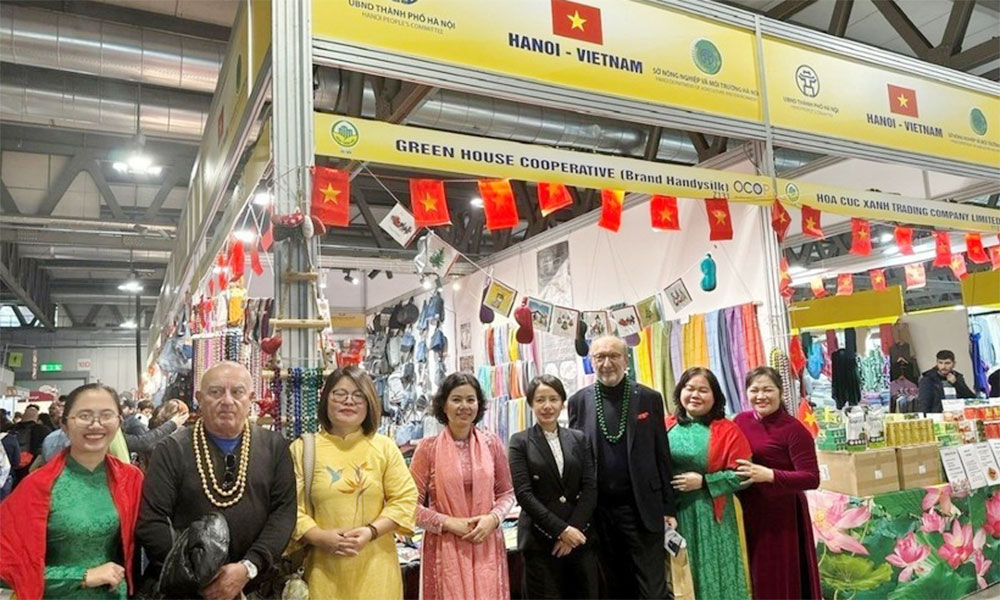
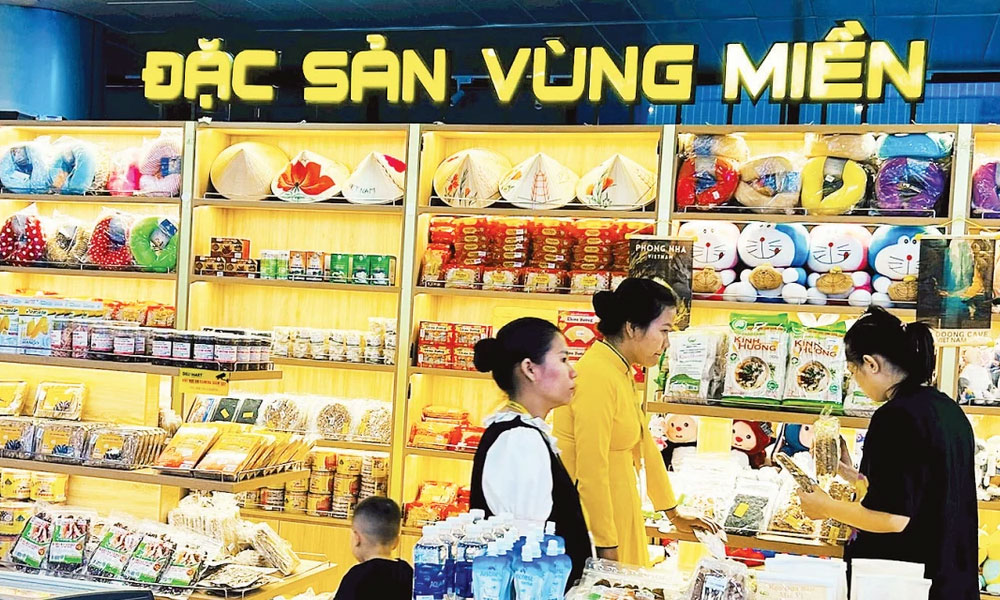
In 2025, a series of large-scale events promoting handicraft products and investment took place, including the Ha Noi International Giftshow 2025, Lifestyle Viet Nam International Fair 2025 in Ho Chi Minh City, the 21st Viet Nam Craft Village Fair, and the 2025 International Festival for the Preservation and Development of Craft Villages.
 |
|
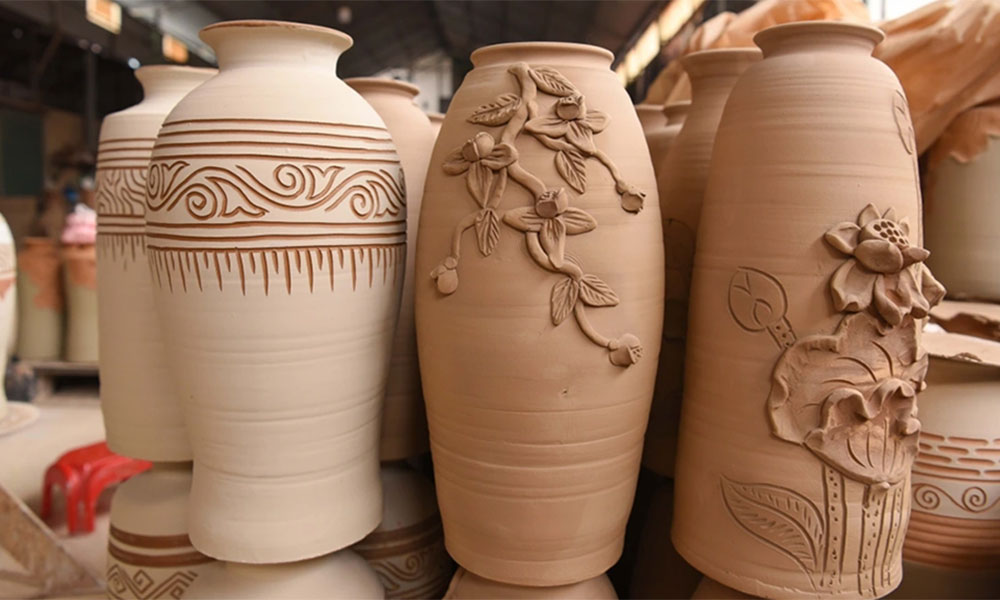
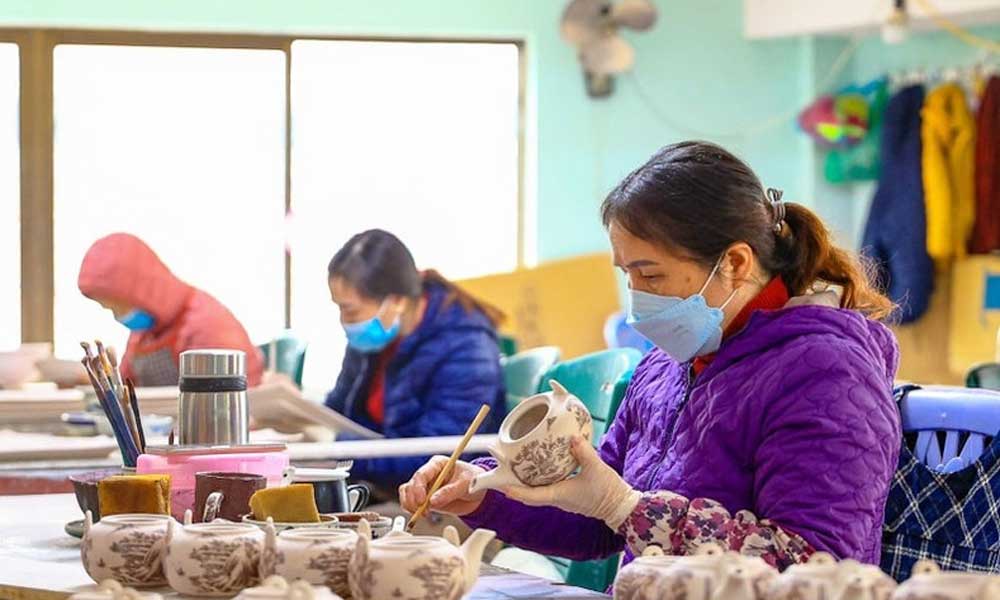
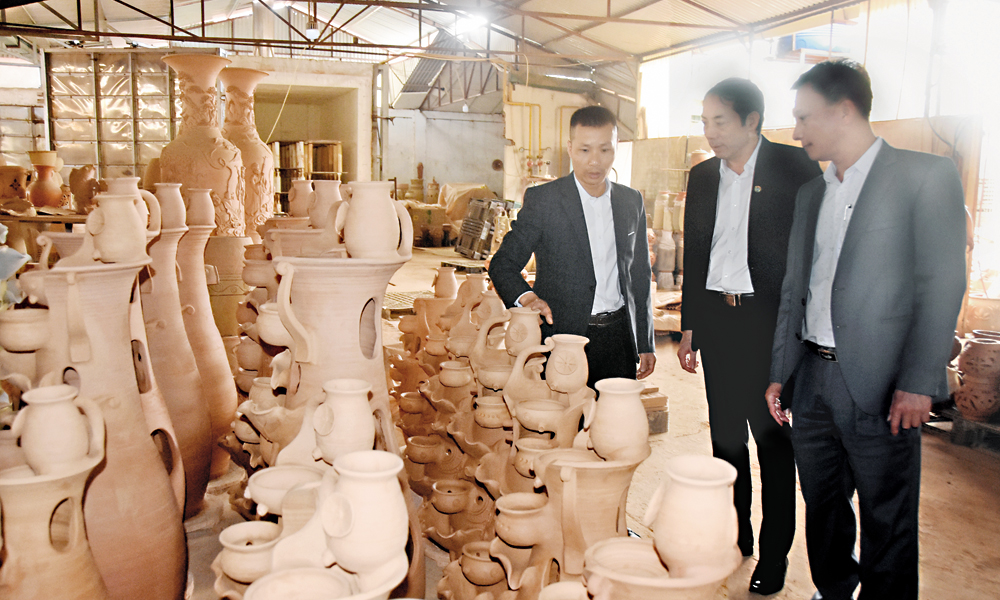
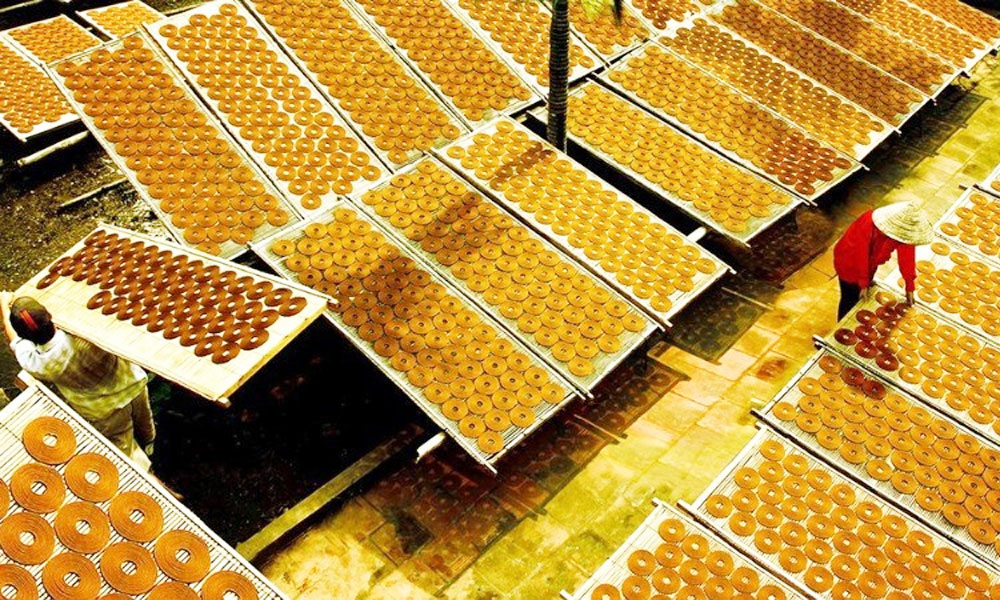
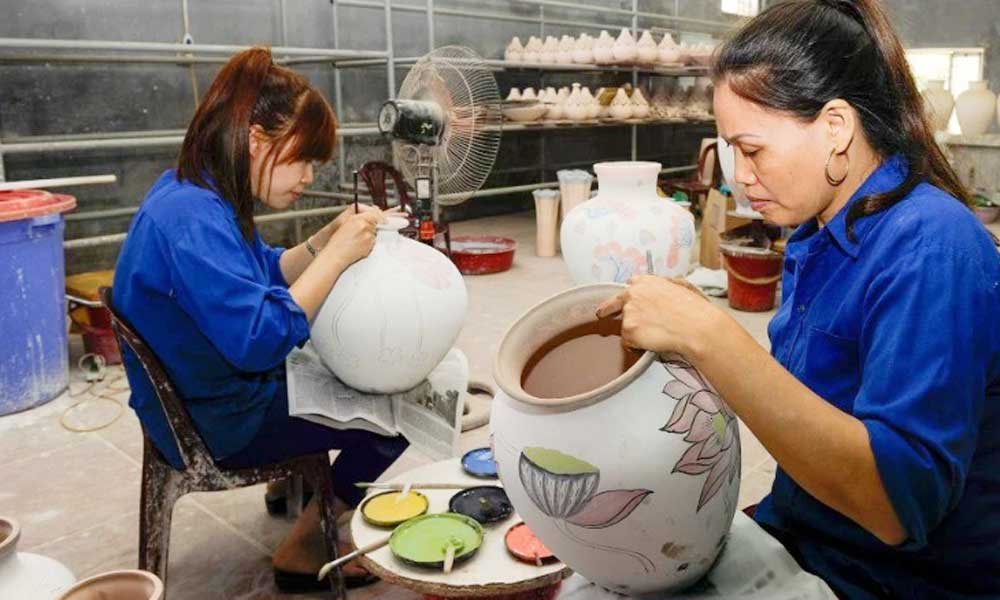
Products of Phu Lang pottery village (Bac Ninh Province). |
This trend marks a notable shift in how craft heritage is approached. Craft villages are no longer positioned on the margins of tourism and commerce; instead, they are placed at the heart of a shared space where culture, creativity and the market move forward together.
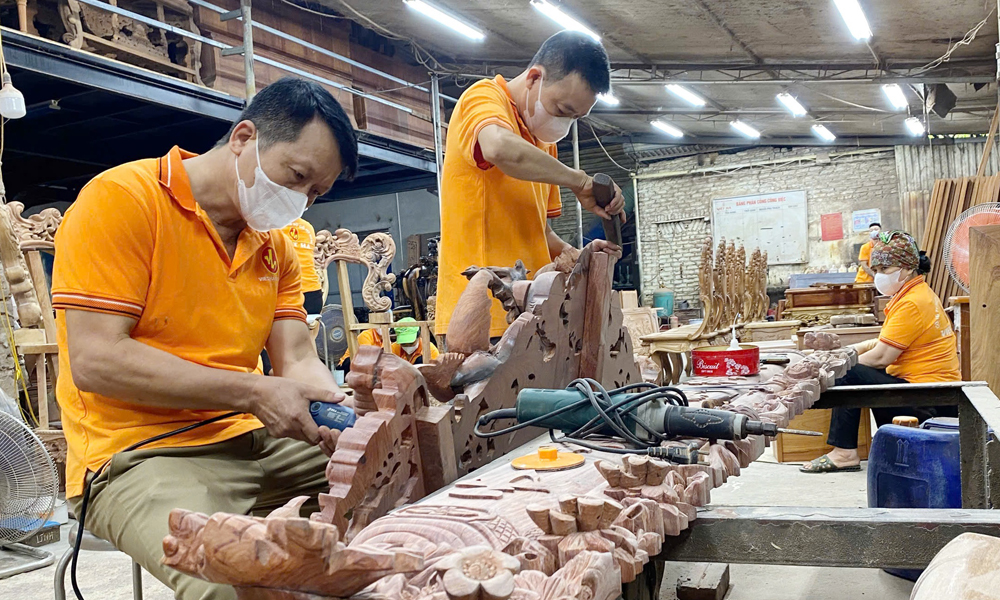
These events have brought together thousands of entrepreneurs, artisans and artists from Viet Nam and abroad. Display and performance spaces showcasing products and traditional production processes have offered the public new ways of engagement.
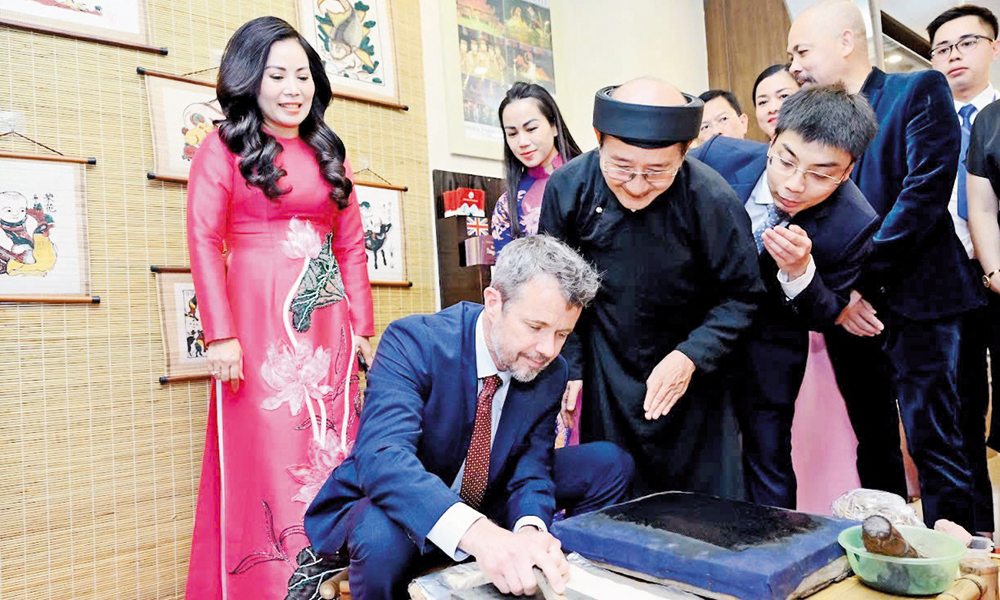
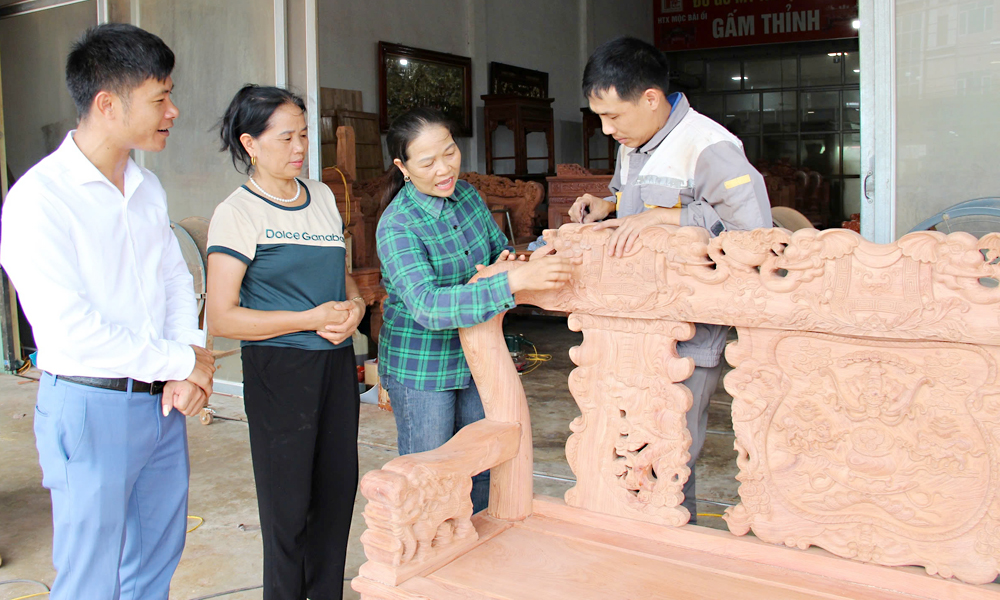
Domestic and international visitors are no longer merely “looking around”, but are encouraged to participate, try their hand at the craft and complete a product themselves.
These are pivotal changes, as craft village tourism can only be truly sustainable when visitors become part of the creative process rather than passive observers.
What holds many people’s attention at these events often lies in the very human stories behind each product, reflecting a shift in mindset and practice: from fragmented production to value-chain thinking, and from simply “selling goods” to “sharing cultural values”.
Such stories, together with the stages of production, help visitors recognise that traditional crafts still possess strong vitality, even when obscured by the pressures of modern life.
Notably, at the recent 2025 International Festival for the Preservation and Development of Craft Villages held at the Thang Long Imperial Citadel, the World Crafts Council’s evaluation of Son Dong and Chuyen My craft villages for admission to the Global Network of Creative Craft Cities opened up a new perspective on integration.
International titles are no longer merely a source of pride; they have become commitments to quality. When artisans demonstrate their skills, they are not only showcasing technique but also affirming a philosophy: handicraft products are the crystallisation of long-standing knowledge and aesthetics, cultural values that cannot be homogenised under market pressure.
More broadly, events such as village festivals, fairs and exhibitions are contributing to the formation of a creative ecosystem. Artisans, designers, businesses and tourism professionals have opportunities to meet, engage in dialogue and learn from one another through seminars, specialist conferences and trade activities.
The participation of international delegations brings multi-dimensional exchanges and shared experiences in linking traditional crafts with creative tourism, contemporary design and e-commerce.
However, alongside recognition, the path to integration also places increasing demands on Vietnamese craft villages in terms of quality, environmental responsibility and production ethics.
Clean production models, circular economy practices, traceability, and the digitalisation of promotional processes are now common standards that craft villages in Viet Nam cannot afford to ignore.
Discussions on natural materials, sustainable design and emissions reduction must move beyond slogans to concrete, sustained action, helping Vietnamese products enter the market in a more responsible and transparent manner.
From a perspective of tourism development, if experience, education, creativity and responsible consumption are effectively combined, craft villages can become invaluable “soft resources” for sustainable tourism.
Conversely, if they are viewed merely as “photo spots” or “souvenir stops”, cultural spaces will inevitably become distorted.
Exhibitions, fairs and festivals are no longer just dazzling “stages” lasting a few days; they are gradually becoming quiet launchpads for craft villages.
Nevertheless, economic and cultural experts point out that behind this progress lies the need for a solid foundation: a coherent, long-term strategy involving ministries, sectors and local authorities, alongside credit policies, vocational training, protection of craft village spaces, digital communication - and, above all, the sustainable integration of tourism with traditional craft villages.








Reader's comments (0)