 Bắc Ninh


Vietnam seeks higher-quality foreign investment for sustainable growth
With ongoing reforms, improving infrastructure and a growing pool of skilled workers, Vietnam is seeking to position itself not only as a manufacturing destination, but also as an emerging regional technology and innovation hub.
Foreign direct investment (FDI) inflows into Vietnam continue to post positive growth, but policymakers are increasingly emphasising quality and tangible efficiency over the mere expansion of registered capital.
 |
|
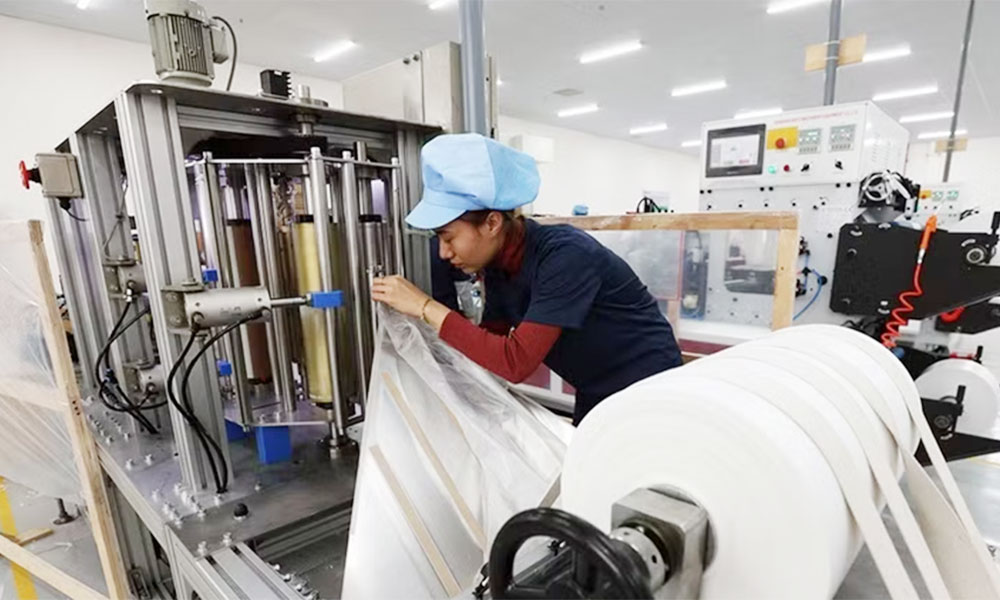
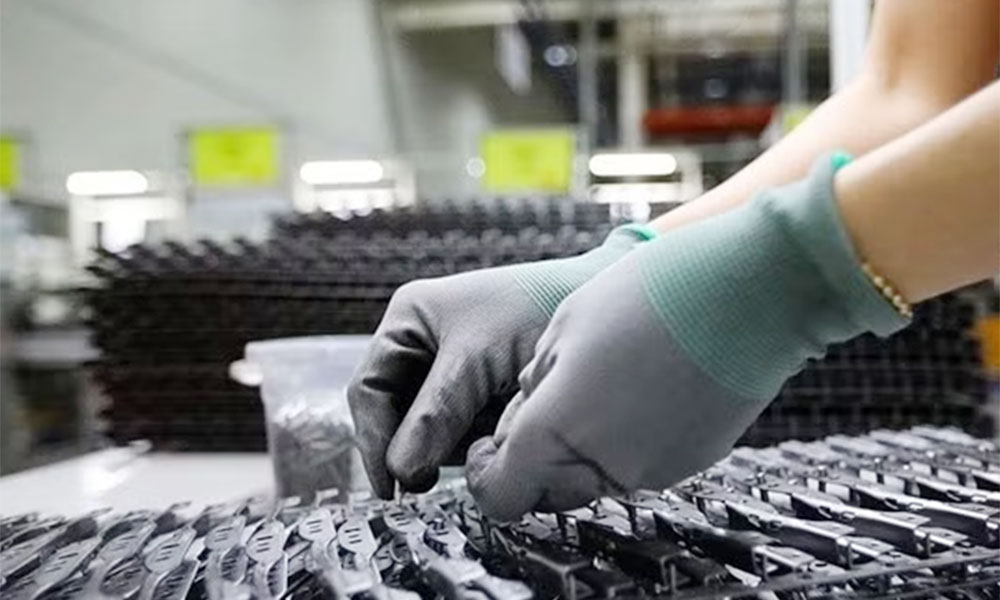
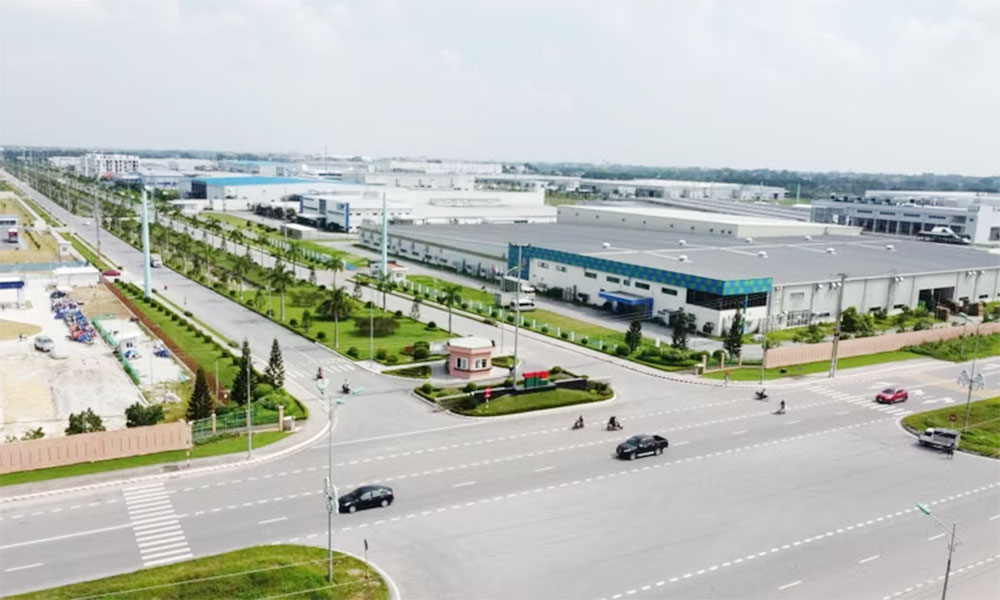
A production line of plastic bags used for goods packaging at the factory of the Japanese-owned Malpensa Plant Vietnam Co., Ltd. in Chan May Industrial Park, Hue city. |
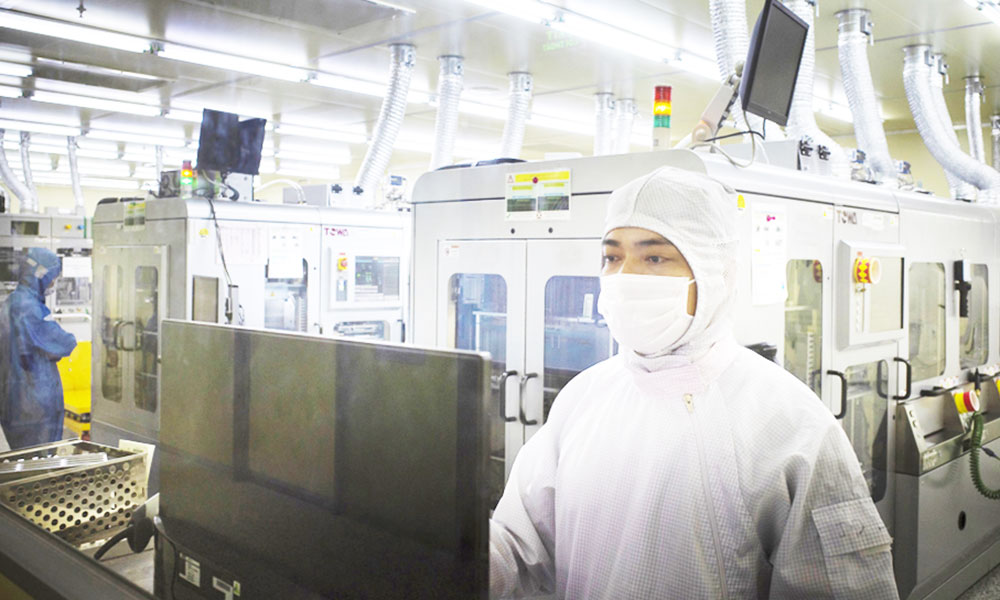
Qualcomm Technologies has recently inaugurated a new research and development (R&D) centre in Hanoi, initially focusing on artificial intelligence (AI) before expanding into automotive technologies, the Internet of Things (IoT) and other advanced sectors.
The move was described as strategically significant, reflecting Vietnam’s ambition to attract investment in high and strategic technologies.
For decades, Vietnam has sought to move beyond its role as a manufacturing hub toward becoming a centre for innovation and technology development.
Aside from Samsung’s large-scale R&D facility worth 220 million USD and employing around 2,500 engineers, relatively few foreign investors have established major R&D operations in the country.
According to Vice President for Engineering and Chief Technology Officer at Qualcomm Technologies Baaziz Achour, the new centre demonstrates the company’s long-term commitment to Vietnam and confidence in the country’s growing role within the global technology landscape.
Vietnam has also recently attracted several major projects in high-tech sectors. Chinese technology giant BYD decided to increase its investment in Vietnam by nearly 480 million USD, bringing its total registered capital to more than 890 million USD.
Meanwhile, the Republic of Korea’s Posco Future launched a 282-million-USD artificial graphite anode production project in Thai Nguyen province to supply lithium-ion battery manufacturing.
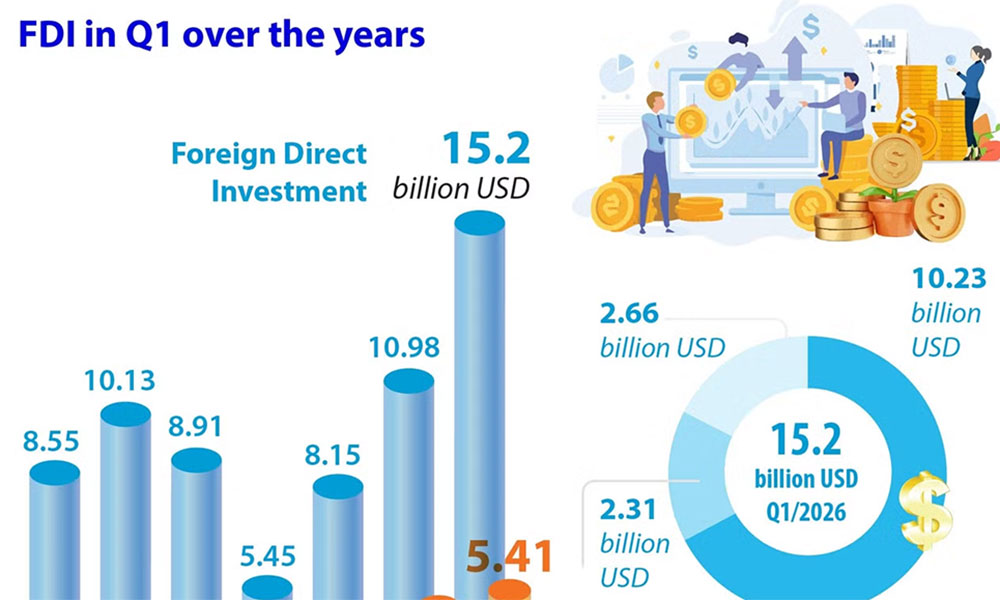
These large-scale projects have contributed to strong FDI growth in the first four months of 2026. Registered FDI reached more than 18.7 billion USD, up 35.5% year-on-year.
Of the total, newly registered capital surged nearly 120%, hitting 12.2 billion USD. Disbursed FDI also climbed to 7.4 billion USD, the highest level recorded in the past five years.
The Foreign Investment Agency under the Ministry of Finance noted that the figures demonstrate Vietnam’s continued attractiveness amid global supply chain restructuring and international economic uncertainties.
Rising disbursement levels also indicate that existing projects are being implemented steadily and effectively.
Yet alongside positive growth, Vietnam is increasingly focused on improving the quality of FDI.
Authorities have stressed the need to prioritise projects with advanced technology, high added value, strong linkages with domestic enterprises, environmental sustainability and meaningful contributions to the national budget.
Speaking recently at the Vietnam Development Bridge Forum 2026, Deputy Prime Minister Nguyen Van Thang said Vietnam is shifting from a strategy of attracting FDI on a broad scale toward more selective, high-quality and sustainable investment cooperation.
Vietnam is not only interested in how much capital investors bring, but also what technologies they introduce, what added value they create, how they contribute to workforce training, supply-chain participation, green transition and digital transformation, he stressed.
Experts believe Vietnam is well-positioned to capitalise on global supply-chain shifts and the “China+1” strategy pursued by many multinational corporations.
According to Pham Thien Minh, Senior Finance Manager at Microsoft, Vietnam offers three key advantages sought by major technology investors: a young and tech-savvy population, competitive digital labour costs and increasingly transparent investment policies.
At the same time, challenges remain. Vietnam still faces concerns related to administrative procedures, legal transparency and global economic uncertainties.
Authorities acknowledge that while FDI performance has been encouraging, it has yet to become fully stable or evenly distributed.
Nevertheless, with ongoing reforms, improving infrastructure and a growing pool of skilled workers, Vietnam is seeking to position itself not only as a manufacturing destination, but also as an emerging regional technology and innovation hub.



Reader's comments (0)