 Bắc Ninh


Vietnamese economy sustains momentum on strong industrial production
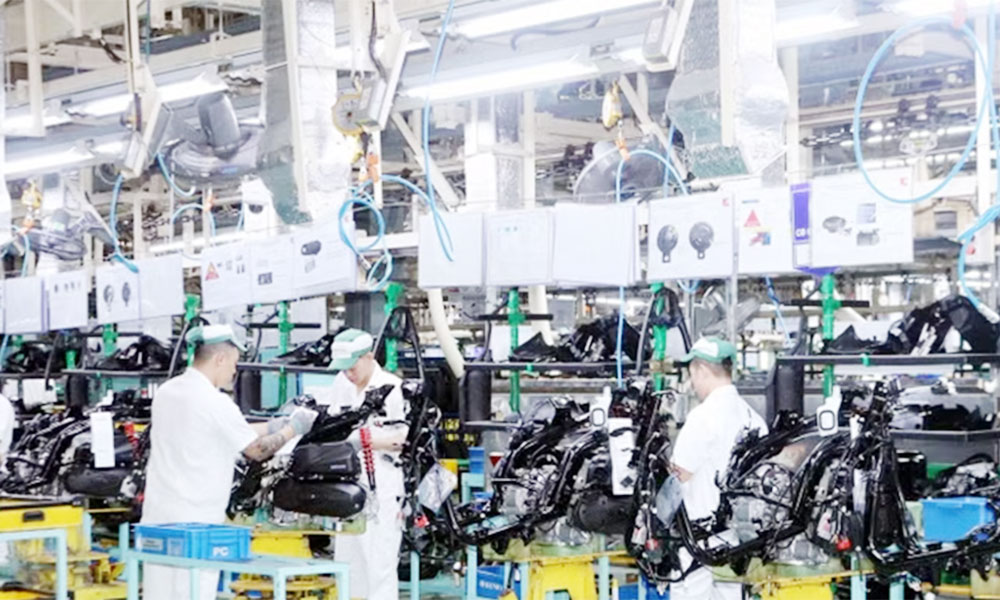
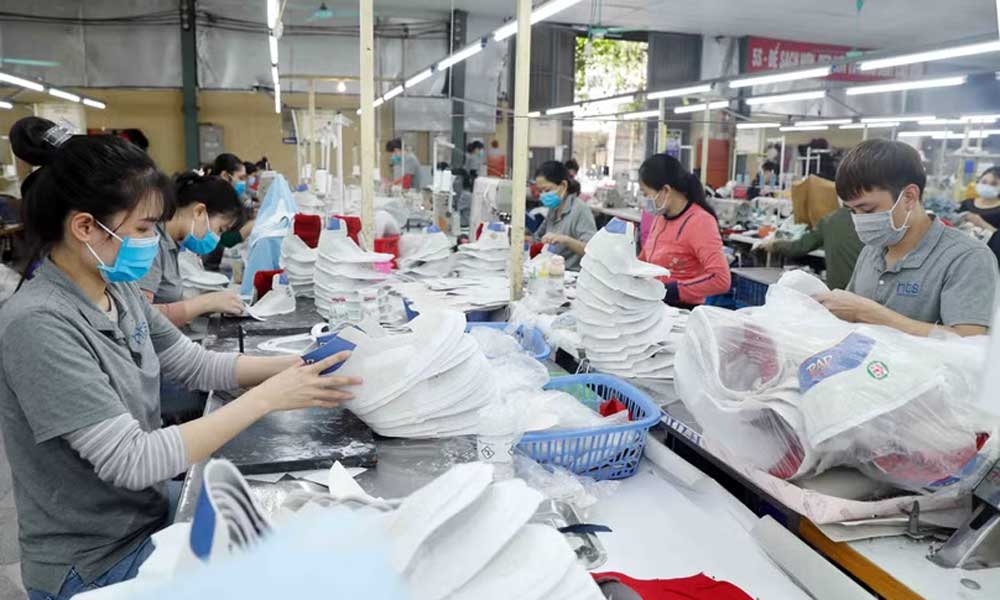
The National Statistics Office (NSO) under the Ministry of Finance reported that the manufacturing and processing sector remained the principal driver of economic growth, accounting for 33.07% of the economy's total value-added growth during the first six months of the year.
Industrial production maintained robust growth between January and June, with its index (IIP) estimated to have risen 10.8% year-on-year, the strongest first-half increase since 2019, driven by improving export demand, fresh investment projects and a strong wave of production expansion by businesses.
 |
|
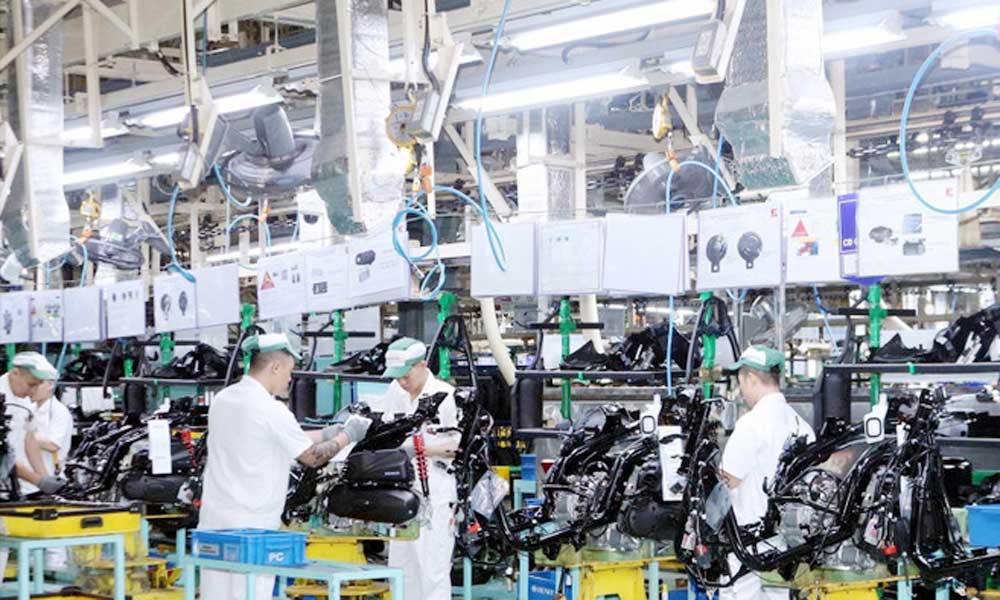
Production line at Honda Vietnam's manufacturing facility in Dong Van II Industrial Park, Ninh Binh province. |
The National Statistics Office (NSO) under the Ministry of Finance reported that the manufacturing and processing sector remained the principal driver of economic growth, accounting for 33.07% of the economy's total value-added growth during the first six months of the year.
Robust industrial production
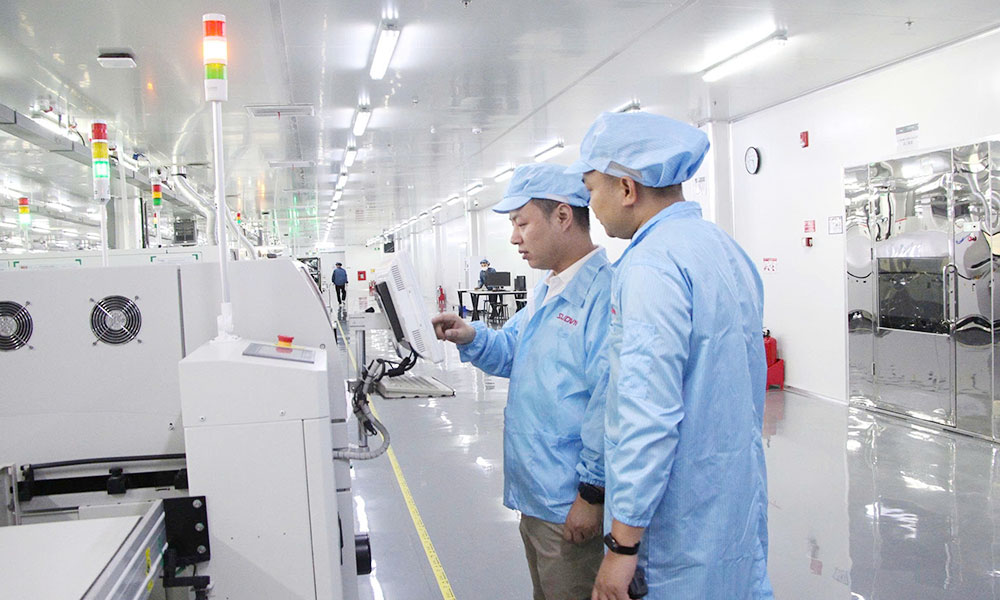
According to the Vietnam Electronic Industries Association (VEIA), the electronics sector made up more than 30% of Vietnam's total export turnover in the first half.
Do Thi Thuy Huong, a member of the VEIA Executive Board, said many electronics manufacturers have already secured orders through the end of the third quarter and, in some cases, into the fourth quarter.
Companies participating in the supply chains of major global manufacturers such as Samsung, Apple and LG also continue to operate at high production capacity.
Based on these positive signals, VEIA forecasts that electronics exports will grow by 15–20% this year compared with 2025.
The steel industry has also recorded a broad-based recovery across its value chain. Crude steel output reached 2.6 million tonnes in May, up 27.2% year-on-year, representing the highest growth rate among the world's ten largest steel-producing countries.
Total steel production for the first six months is estimated at nearly 15 million tonnes, an increase of more than 21% from a year earlier.
Dinh Quoc Thai, Vice Chairman and General Secretary of the Vietnam Steel Association (VSA), said key priorities for sustaining the industry's growth include protecting the domestic market from low-priced imported steel, accelerating green and digital transformation to meet increasingly stringent market requirements, and expanding access to high-value export markets while reducing trade barriers.
Key pillar of economic growth
Economists say that achieving high economic growth while maintaining macroeconomic stability will depend on strengthening the economy's supply capacity through investment in infrastructure, the development of manufacturing and processing industries, the promotion of science, technology and innovation, and higher labour productivity.
As production capacity expands, stronger consumption and investment can generate substantive economic growth without placing excessive inflation pressure.
Phi Thi Huong Nga, head of the NSO’s industrial and construction statistics division, said industrial production will remain a key pillar of economic growth during the second half.
She noted that the sharp increase in imports of machinery, equipment, components and raw materials in the first half indicates that businesses are actively expanding production and building inventories, laying the groundwork for higher output and exports in the coming months.
At the same time, improving export orders and stable production among foreign-invested enterprises are expected to support continued growth in sectors including electronics, automobiles, mechanical engineering and construction materials.
To support the goal of achieving double-digit economic growth, the Ministry of Industry and Trade will focus on promoting industrial production, particularly manufacturing and processing, supporting industries and high-technology sectors.
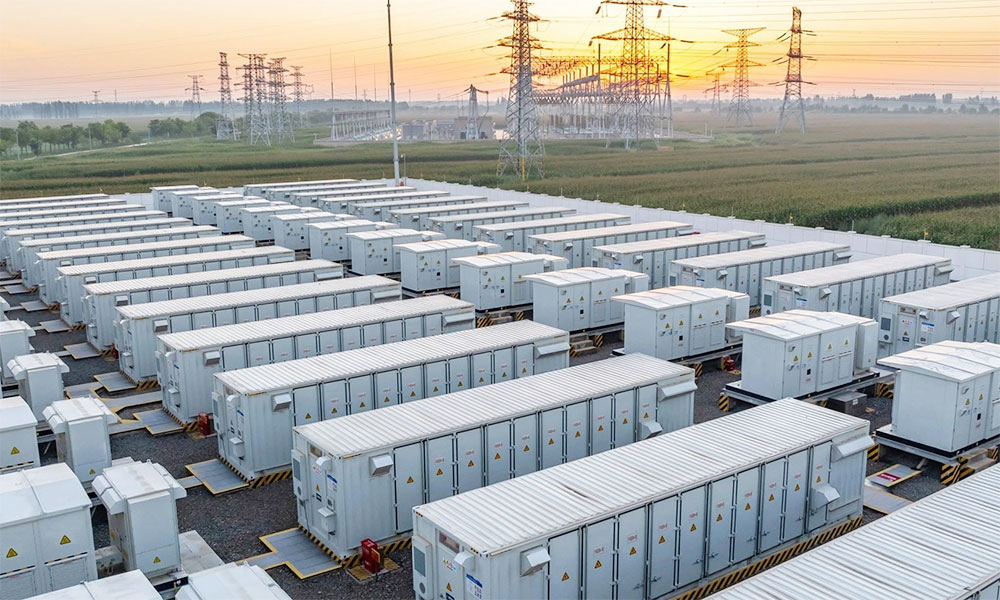
It will also work with local authorities to accelerate industrial and energy projects capable of coming into operation in 2026.
Meanwhile, ongoing shifts in global supply chains and foreign direct investment (FDI) flows are creating new opportunities for Vietnam to strengthen its position as a global manufacturing hub.
Supported by political stability, a favourable geo-economic location and an extensive network of free trade agreements (FTAs), the country is increasingly becoming a preferred destination for high-quality investment projects in technology, electronics, semiconductors, data centres and smart manufacturing.
To fully capitalise on these opportunities, experts recommend improving the quality of the workforce, developing supporting industries and strengthening linkages between domestic enterprises and foreign-invested companies in order to increase domestic value-added production.


Reader's comments (0)