 Bắc Ninh


Bac Ninh families keep traditional crafts alive across generations
BAC NINH - In Bac Ninh, a province renowned for its rich cultural heritage, traditional craft villages continue to survive and adapt despite rapid social and economic change. Behind their resilience are not only skilled artisans but also families whose members, across multiple generations, remain committed to preserving ancestral trades and passing them on to the future.
For many artisans, traditional crafts are more than a source of income. They are a family legacy, a cultural identity and a responsibility inherited from previous generations.
 |
|
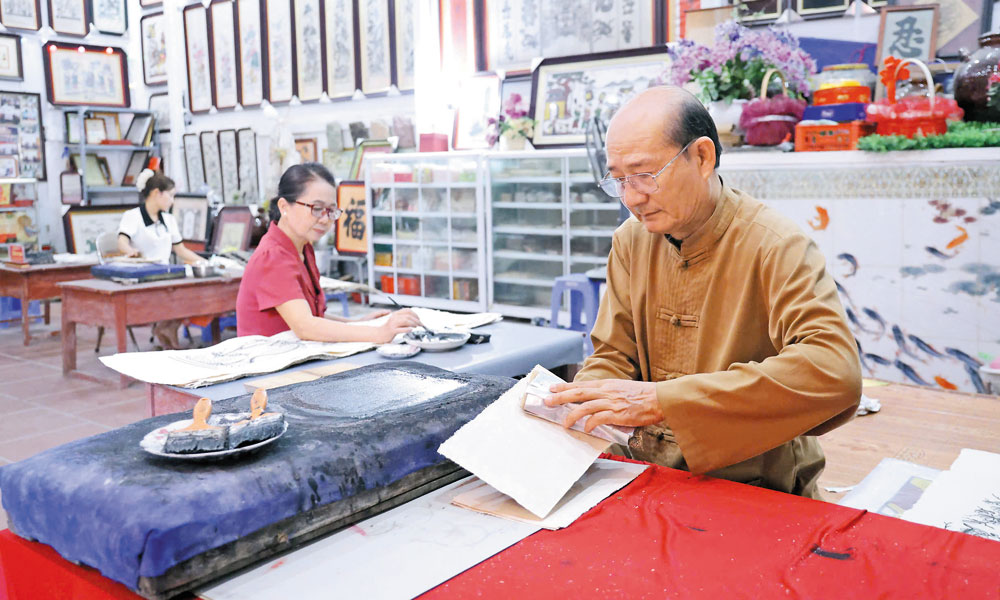
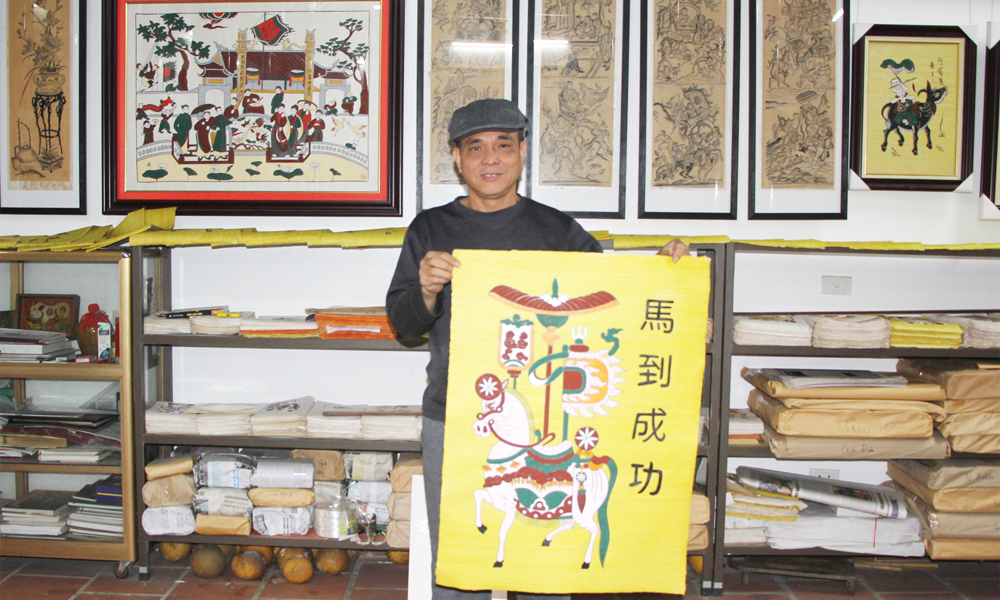
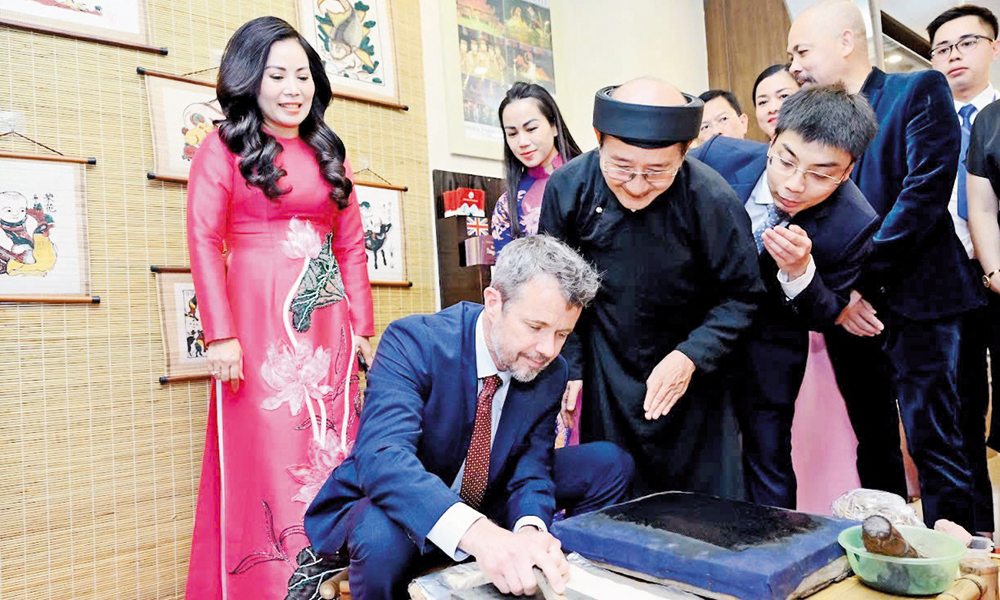
The family of Meritorious Artisans Nguyen Thi Oanh and Nguyen Huu Hoa produces Dong Ho folk paintings in Thuan Thanh Ward. |
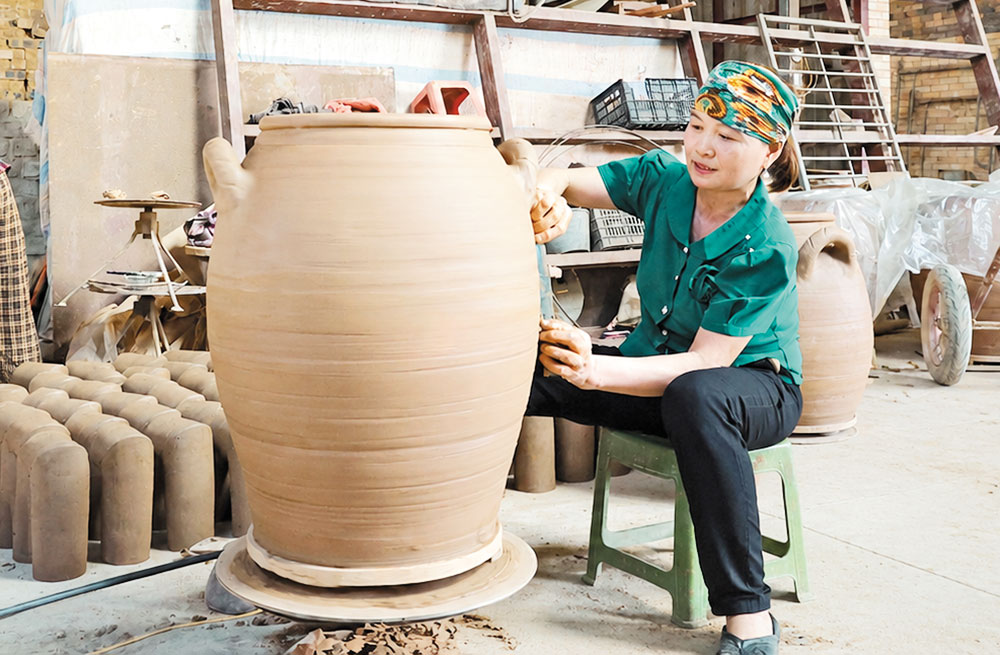
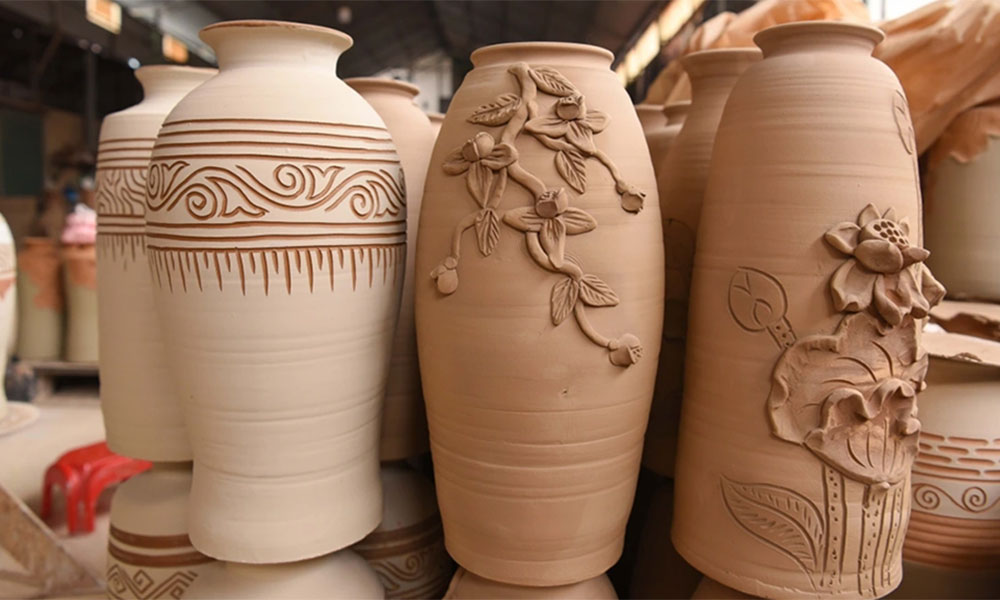
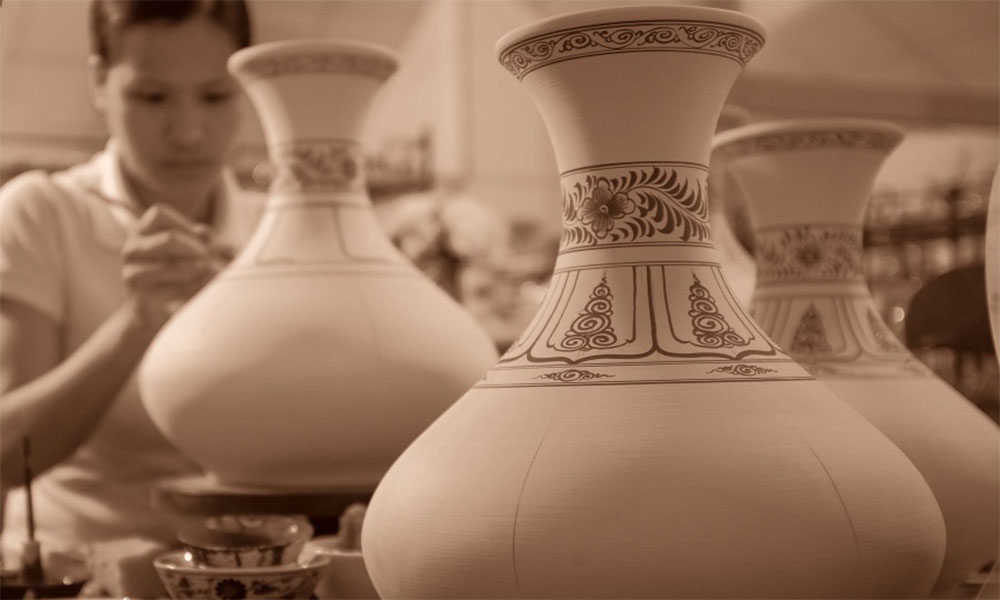
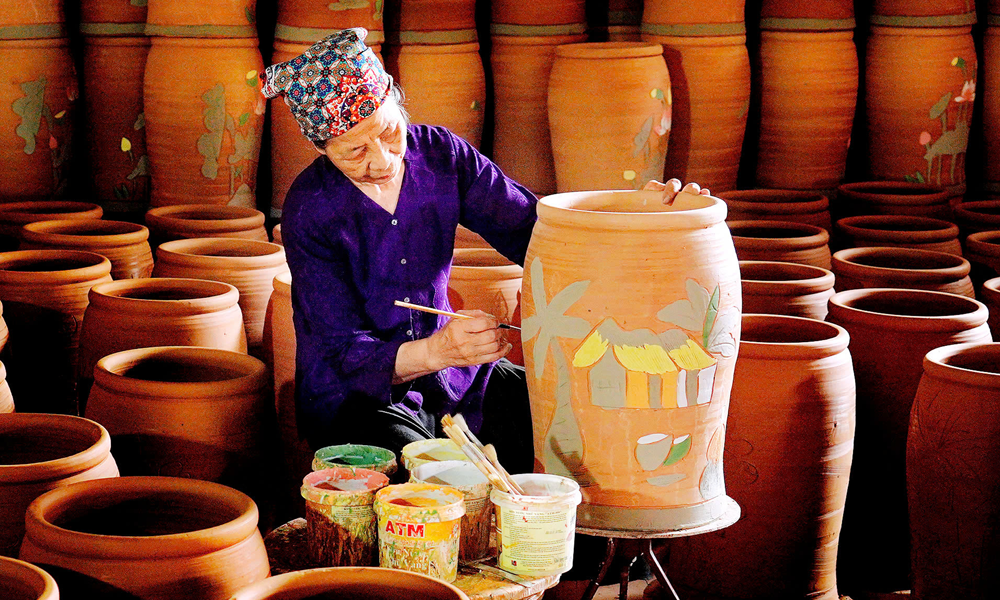
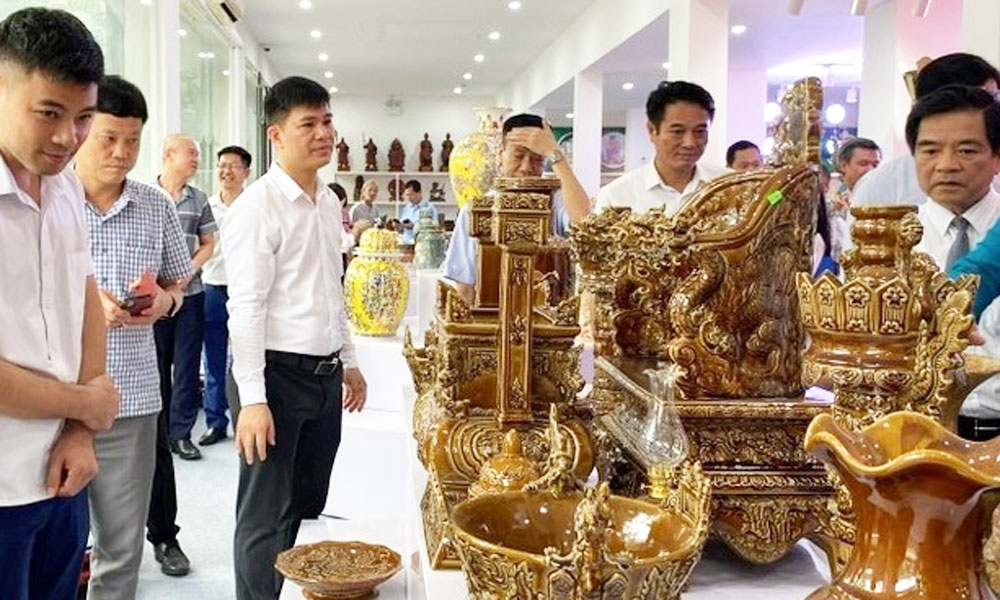
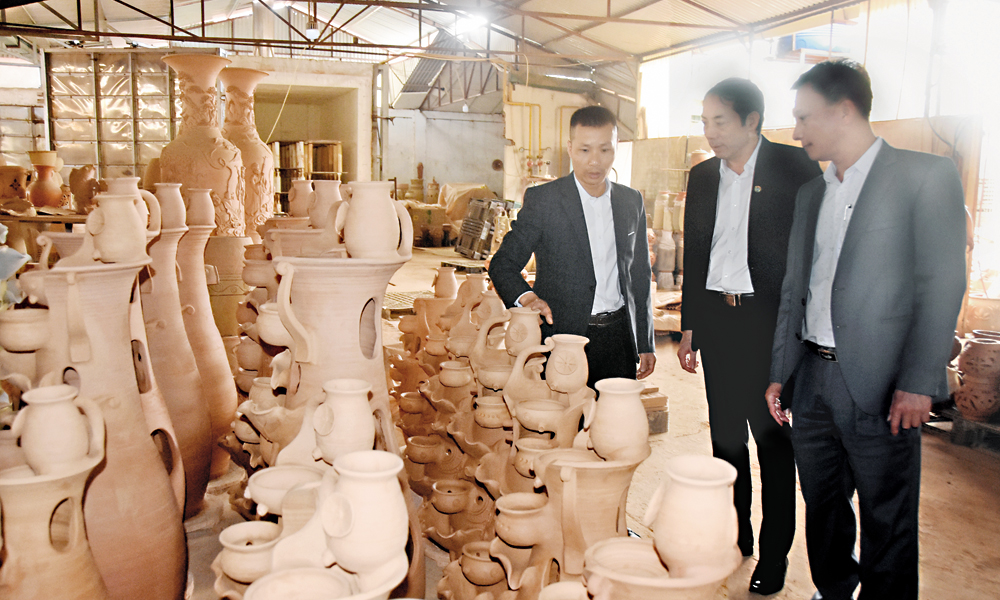
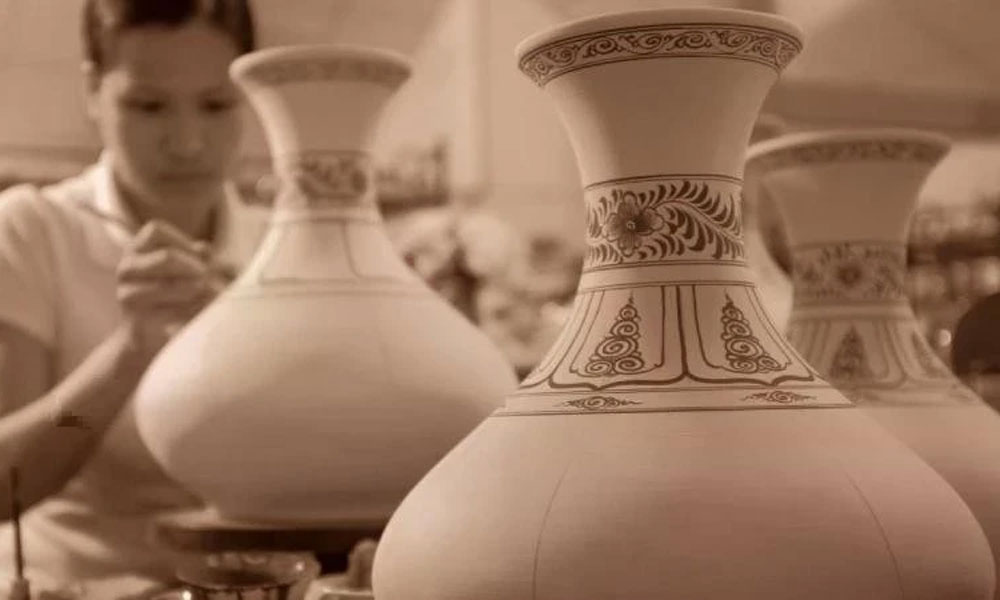
In Phu Lang pottery village, artisan Pham Van Thanh grew up surrounded by clay, pottery wheels and wood-fired kilns. Born into a family with a long history of ceramic production, he learned the craft from his parents and grandparents at an early age.
Now 57, Thanh continues to work alongside family members who share the same dedication to preserving the village’s renowned pottery tradition.
His elderly parents, both over 80, still contribute to daily production, while his wife also comes from a pottery-making family. Their two sons chose to remain in their hometown after finishing school and have joined the family business.
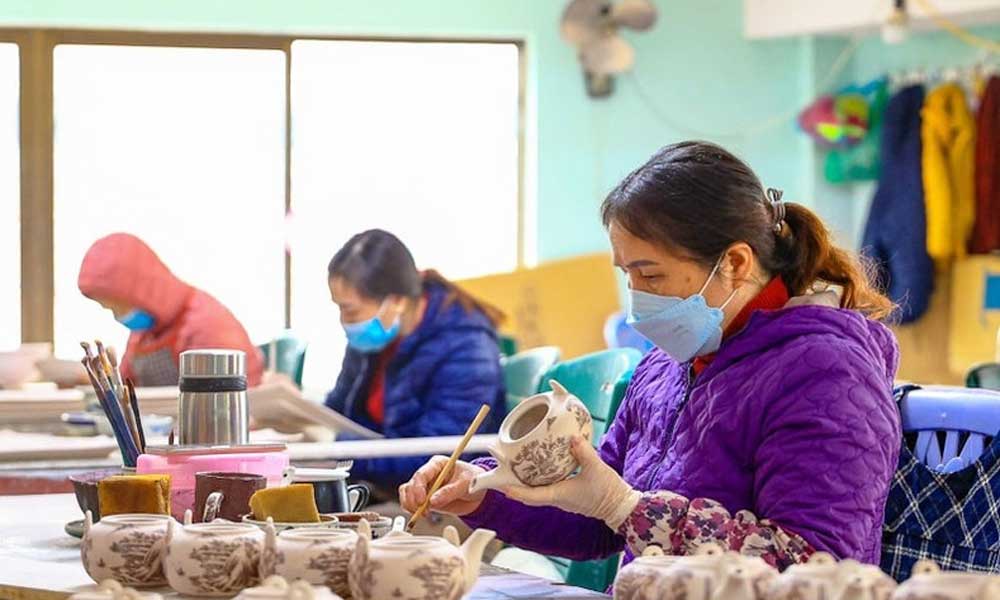
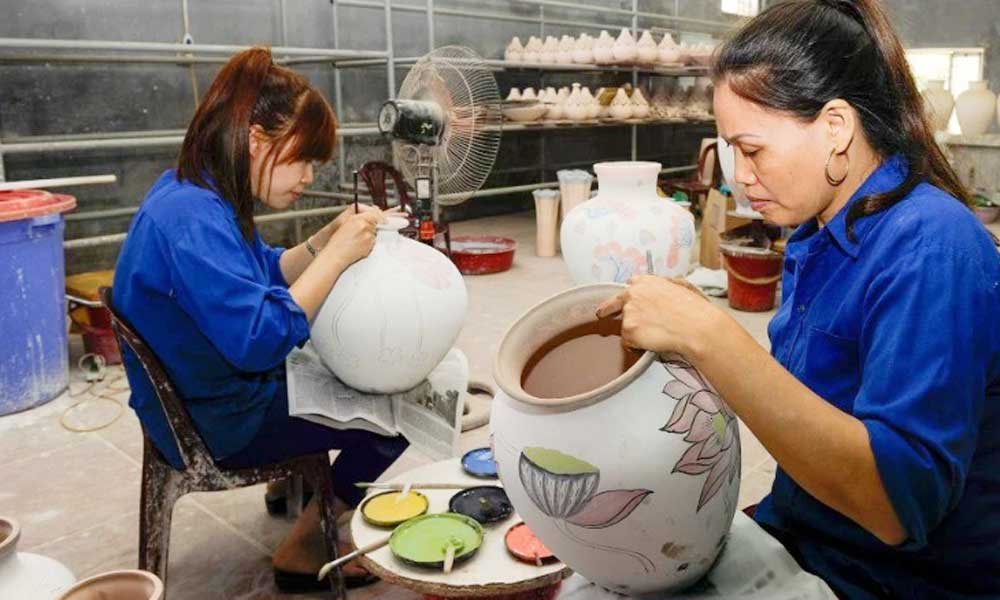
Today, each family member specializes in a different stage of production, from shaping and decorating products to developing new product lines.
Thanh oversees the firing process, while younger generations contribute fresh ideas that help traditional pottery remain competitive in modern markets.
“Pottery making is hard work and there are times when sales are difficult, but we have never thought about giving up,” Thanh said. “The greatest happiness is seeing our children continue the profession. We are not only producing goods but also preserving a heritage left by our ancestors.”
The family now operates two workshops producing thousands of ceramic products each month, including jars, vases, decorative towers and wall art. The business also provides regular employment for 15 to 20 local workers.
A similar commitment to preserving tradition can be found in Dong Ho painting village in Thuan Thanh Ward, home to one of Vietnam’s most famous folk art forms.
Meritorious artisans Nguyen Huu Qua and Nguyen Huu Hoa represent the latest generation of a family dedicated to the craft.
The brothers began learning the trade from their parents when they were children, starting with simple tasks such as coloring and drying paintings before gradually mastering woodblock printing and color-mixing techniques.
Their family home still preserves hundreds of traditional woodblocks and folk paintings, reflecting decades of effort to safeguard the craft.
Alongside preserving traditional methods, family members have sought to innovate. Meritorious artisan Nguyen Thi Oanh, a daughter-in-law in the family, has spent more than 50 years collecting, restoring and creating new painting designs inspired by traditional themes.
Her efforts have helped introduce Dong Ho folk paintings to broader audiences in Vietnam and abroad.
In Duong O village, generations of artisan Nguyen Van Thang’s family have maintained the centuries-old craft of making do paper, a traditional material used for paintings, calligraphy and historical documents. Producing the paper requires a series of labor-intensive steps, including soaking bark, boiling, pounding and forming sheets by hand.
In the mountainous commune of Luc Son, Duong Van Quang and his mother, Meritorious artisan Trac Thi Ngon, are among the few remaining practitioners of traditional do paper making. They regularly provide free instruction to local students in an effort to preserve the craft and the cultural identity associated with it.
 |
|
Artisan Tran Thi Thanh, wife of artisan Pham Van Thanh, shapes pottery at a workshop in Phu Lang Commune. |
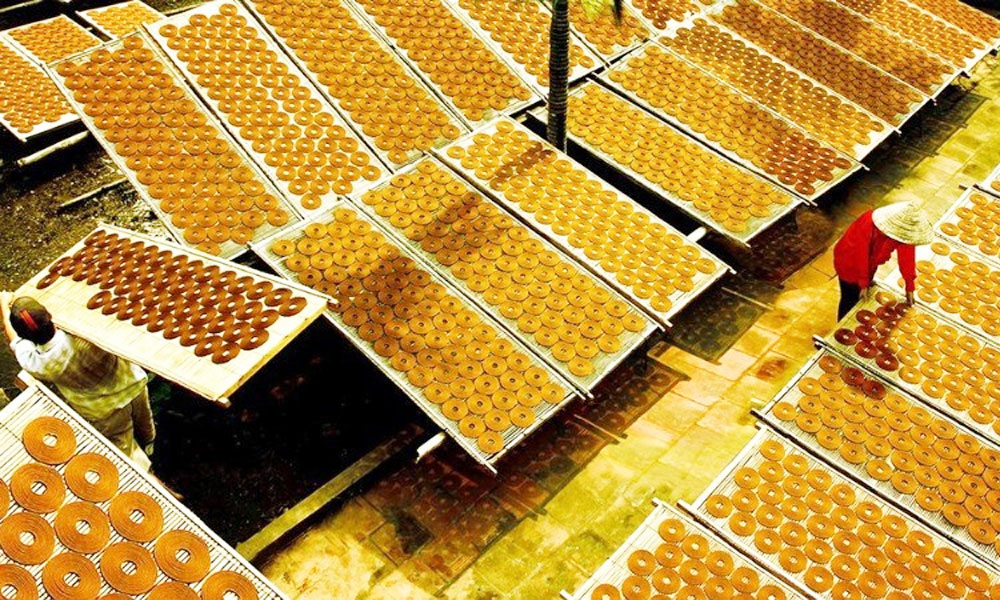
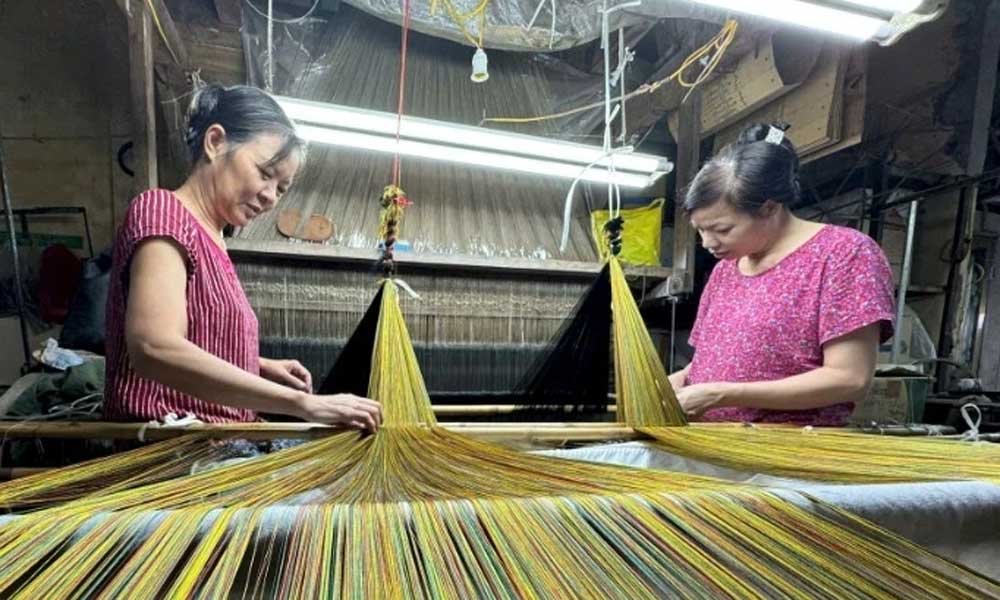
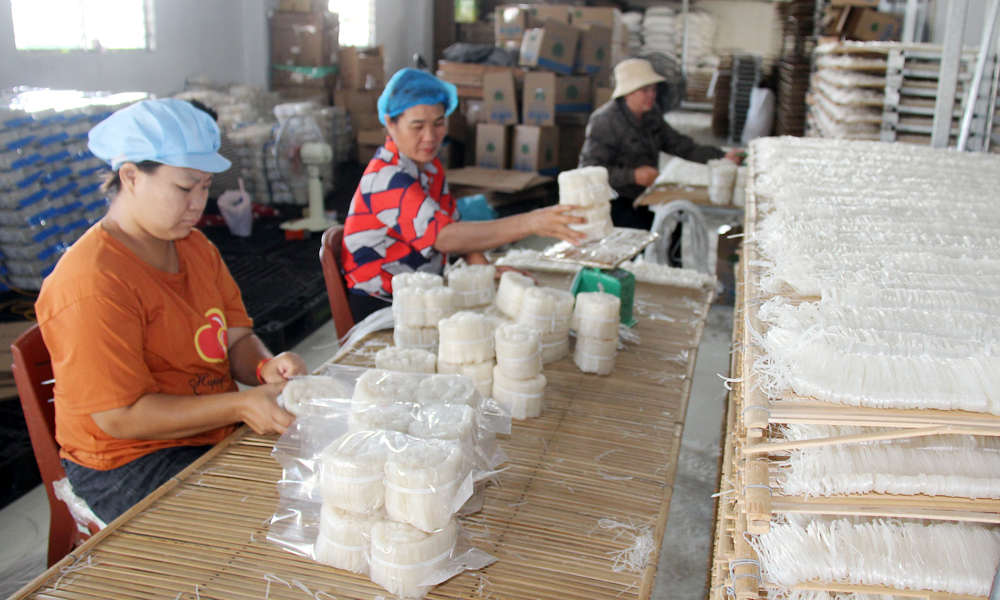
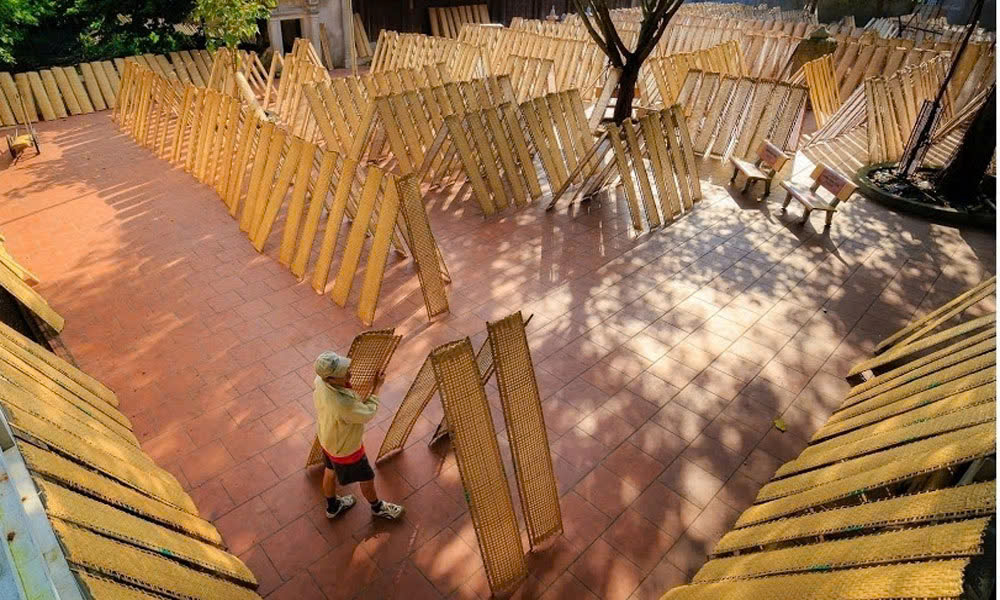
Meanwhile, in Tho Ha ancient village, families continue to produce rice paper for spring rolls using techniques passed down through generations. In many households, three or even four generations participate in different stages of production.
Local officials say family involvement remains essential to preserving traditional crafts at a time when younger people increasingly pursue opportunities outside their hometowns.
As consumer demand evolves, many craft families are also embracing change. Alongside preserving traditional techniques, they are developing new products, adopting technology, building brands and expanding tourism activities to attract visitors.
According to the Bac Ninh Department of Culture, Sports and Tourism, dedicated artisans and craft families remain the cornerstone of efforts to preserve traditional occupations.
Their role extends beyond production, officials say. By passing skills and cultural values from one generation to the next, they help ensure that the distinctive heritage of the Kinh Bac region continues to thrive in the modern era.

















Reader's comments (0)