 Bắc Ninh


Upgrading supporting industries in Vietnam
The capacity of Vietnam’s supporting industries directly reflects the economy’s level of autonomy. In recent years, the sector has made notable progress, yet challenges remain, particularly technological bottlenecks.
The capacity of Vietnam’s supporting industries directly reflects the economy’s level of autonomy. In recent years, the sector has made notable progress, yet challenges remain, particularly technological bottlenecks.
 |
|
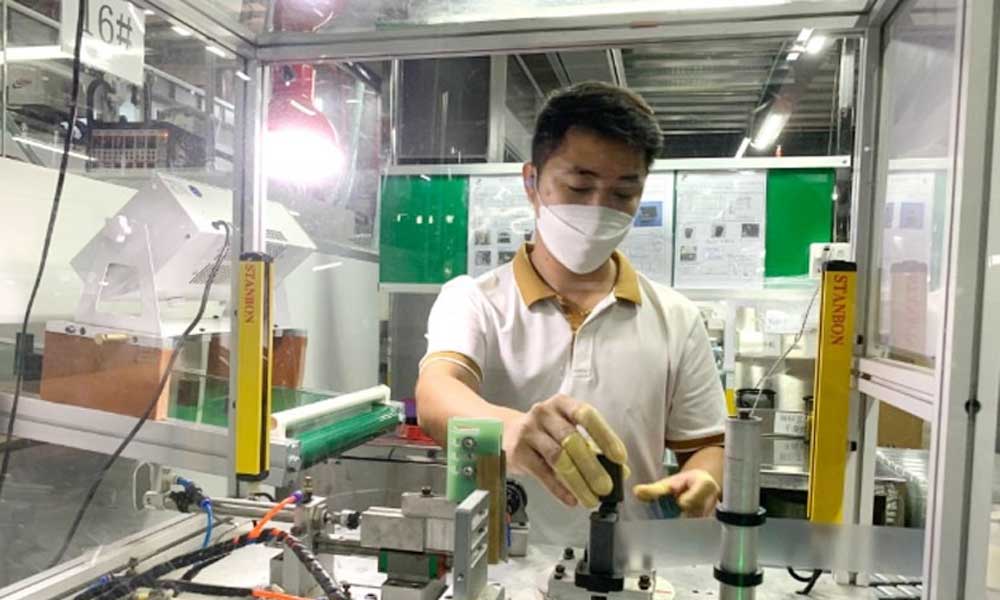
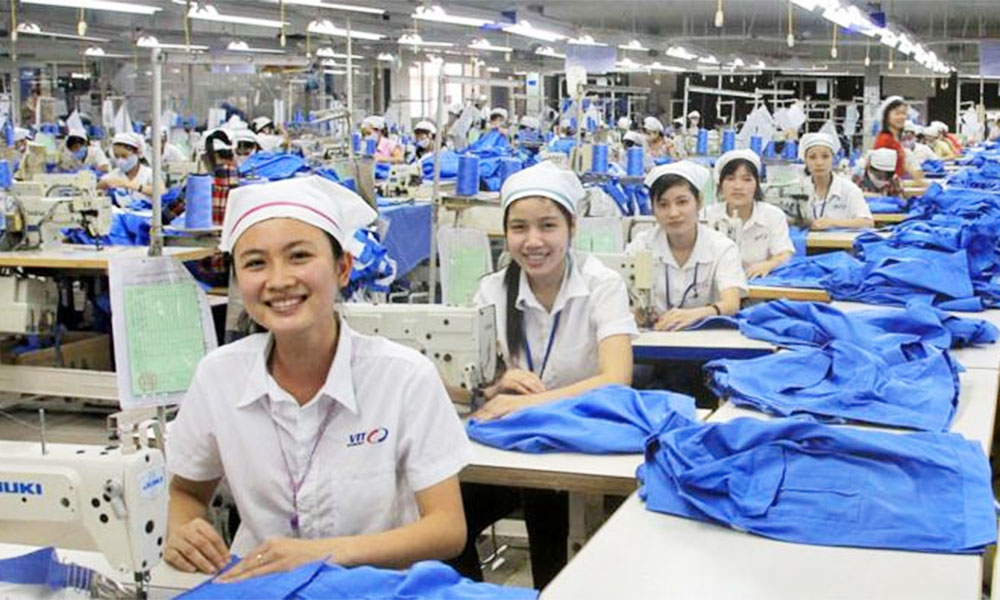
Production activities at the Lien Ha Thai Industrial Park in Hung Yen province. |
Mastering technology and promoting innovation are crucial for enhancing competitiveness, increasing domestic value added, and contributing more effectively to industrialisation and modernisation.
Supporting industries, supplying components, materials, and technical processes to key manufacturing sectors, are the backbone of modern industry.
About 30 years ago, when Foreign Direct Investment (FDI) first entered Vietnam, sourcing domestic suppliers was extremely difficult. Many FDI firms had to import even simple parts like screws or rubber gaskets.
Today, Vietnam’s support industries have evolved considerably.The number of enterprises has risen rapidly, scales have expanded, and technology has improved.
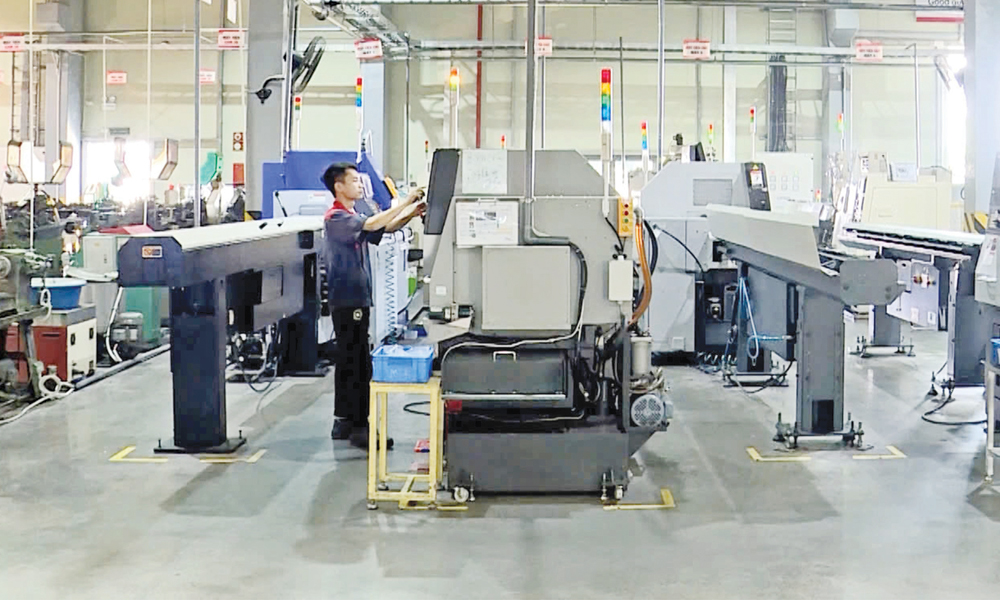
Many mechanical firms in Bac Ninh, Ho Chi Minh City, and Dong Nai have invested in modern machinery, ERP management, CNC machines, welding robots, and automated production lines.
Products such as technical plastic components, moulds, and precision metal parts now meet international standards and gradually enter global supply chains.
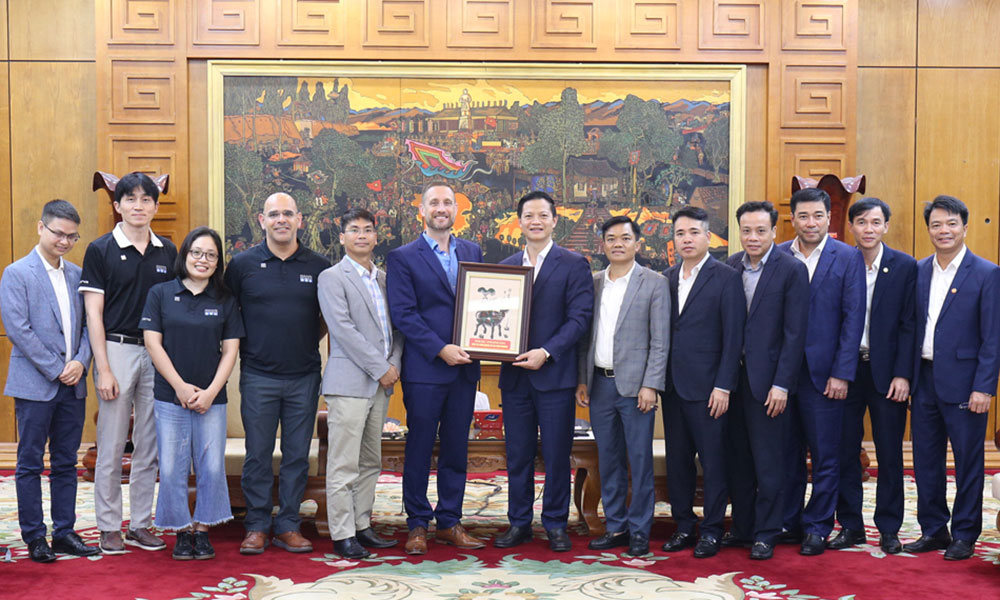
Notably, the Ministry of Industry and Trade’s cooperation with Samsung Vietnam on smart factory training has helped hundreds of domestic supporting industry enterprises upgrade processes, raising smart factory maturity levels from 0.9 to 2.1, demonstrating the effectiveness of technology transformation.
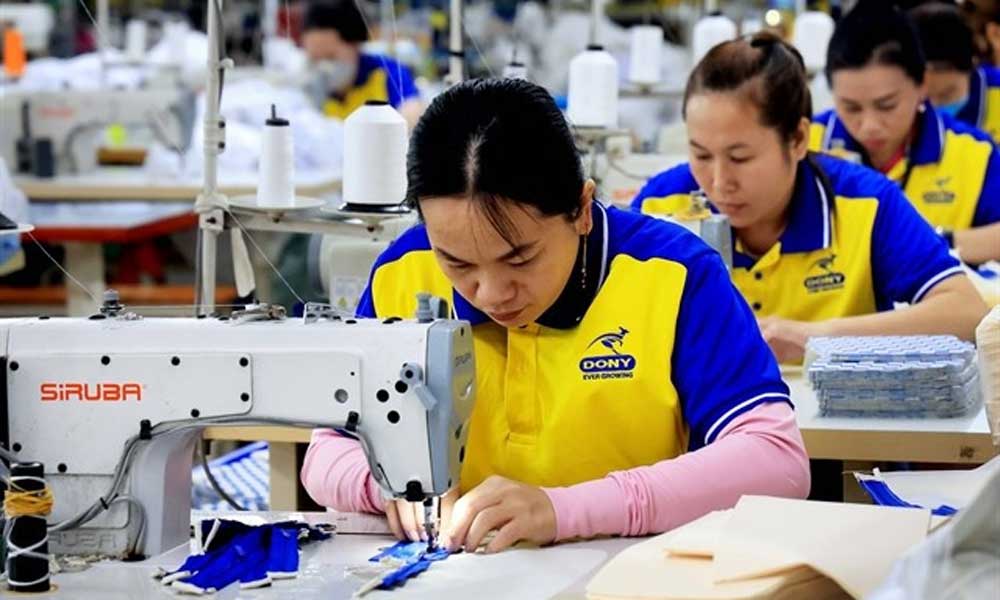
Vietnam currently has nearly 7,000 supporting industry enterprises across five sectors, namely mechanics, automobiles, electrical-electronics, textiles-garments, and high technology.
About 300 have joined supply chains of major FDI groups like Samsung, Toyota, Honda, and LG. Some local firms now master high-tech components, including moulds and precision plastic and metal parts.
Despite progress, the support industry remain a weak link in global value chains. Many enterprises still focus on simple processing with low value added and lack capabilities in design, manufacturing, or core technology mastery.
This prolongs reliance on outsourced technology and limits brand development and localisation. Localisation in mechanical and automotive sectors is about 30–40%, mostly in simple components, while electronics is 5–10%, with critical parts like chips and sensors still imported.
Textiles and footwear remain heavily dependent on imported raw materials and technical accessories. Experts highlight that technological capacity and innovation remain the biggest constraints.
Many enterprises underinvest in R&D, machinery, and technical human resources, reducing productivity and quality. Meanwhile, global supply chains demand strict compliance with international standards in quality, environment, and social responsibility, making technological mastery essential for deeper integration.
Developing supporting industries requires coordination among the State, businesses, research institutes, universities, and associations, with enterprises at the centre.
Proposals include a dedicated SI law with incentives for credit, tax, land, and R&D, and the creation of techno parks integrating production, research, training, and technology transfer. In the short term, Decree No. 205/2025/ND-CP should be implemented through financial support, technical training, and innovation centers.
Supporting industry development is not only a market requirement but also a strategic task for building an independent, self-reliant, modern industrial base, linked to national defence and security.
The Ministry of Industry and Trade continues nationwide programs to enhance supporting industry capacity, including modern support centres for testing, quality control, technology transfer, and partnerships with major corporations to improve production processes and integrate domestic enterprises into global supply chains.





Reader's comments (0)