 Bắc Ninh


AI ushers in a new era for digital art
As cultural industries and the creative economy gain momentum, AI is proving valuable in improving efficiency, streamlining operations and enabling creators to focus more on artistic content.
As artificial intelligence (AI) becomes increasingly embedded in creative processes, it is transforming how artworks are conceived, produced and shared while creating fresh opportunities for the growth of digital art.
 |
|
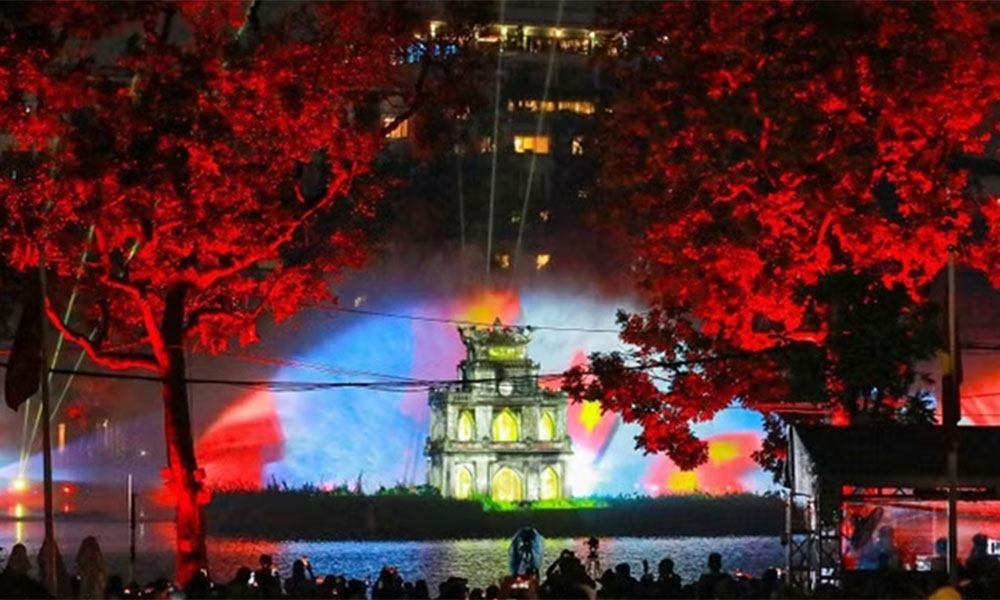
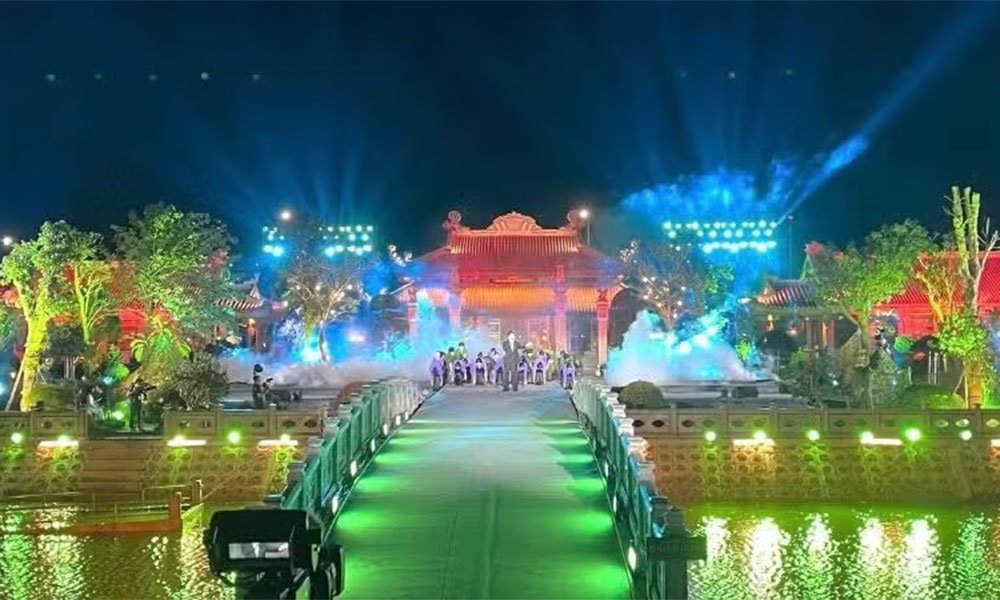
Large crowds gather around Hoan Kiem Lake to watch a 3D mapping light show projected onto Turtle Tower, accompanied by a water-screen display. |
Digital art is emerging as one of the most vibrant areas of contemporary culture, with new forms of expression enhancing audience engagement and accessibility in the digital space.
Tran Hau Yen The, head of the visual arts division at the Faculty of Arts and Design under the School of Interdisciplinary Sciences and Arts, the Vietnam National University, Hanoi, said digital technologies are broadening the scope of artistic creation and reshaping how audiences experience art.
The transformative role of technology was showcased at a recent exhibition celebrating the 120th anniversary of the Vietnam National University, Hanoi.
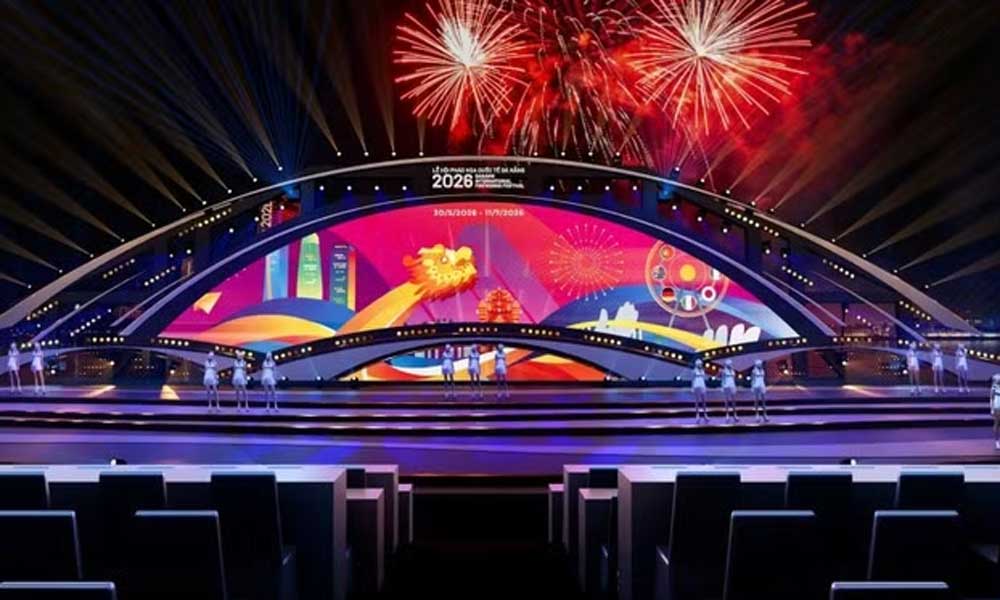
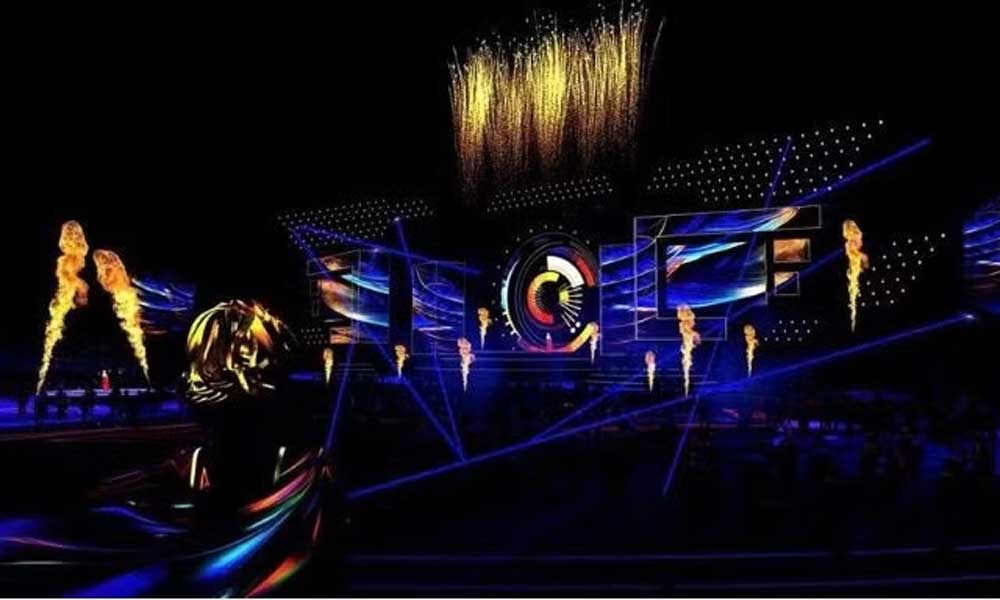
Through multimedia installations, light art and large-scale 3D mapping projections, organisers created an immersive experience linking history, heritage architecture and modern innovation.
The exhibition demonstrated how the fusion of art and technology can deepen audience interaction while highlighting the growing role of AI in contemporary artistic practice.
AI is also opening up new possibilities in heritage preservation and creative production. Capable of analysing vast datasets, the technology can assist with idea generation, sketch creation, visual modelling and the rapid testing of multiple creative concepts.
At the same time, developments in generative art, algorithmic art and immersive VR/AR/MR experiences are expanding the expressive language of contemporary art.
Nguyen Quoc Hoang Anh, founder of the Len Ngan cultural and artistic platform, said AI has already been incorporated into several community and commercial projects.
In the dance production "Doi dien voi vo cung" (Facing Infinity), digitalisation and motion-scanning of traditional "tuong" (classical opera) movements helped researchers explore new approaches to performance, stage design and aesthetics.
As cultural industries and the creative economy gain momentum, AI is proving valuable in improving efficiency, streamlining operations and enabling creators to focus more on artistic content, he noted.
Despite its advantages, the rapid rise of AI has also sparked concerns over copyright, data ownership and creative ethics.
These challenges are prompting governments worldwide to strengthen regulations on data use and establish frameworks that support the sustainable development of digital art.
The evolving landscape is also raising new expectations for artists, curators and creative professionals.
Nguyen Hoang Giang, founder of Vietnam Media Lab and lecturer in digital communications at RMIT Vietnam, said artists must possess a solid theoretical foundation to critically assess AI-generated outputs.
Many practitioners and curators agree that while AI can accelerate workflows and facilitate experimentation, it should remain a tool rather than a substitute for artistic judgement.
Experts emphasise that AI cannot develop aesthetic values on its own or replace artists' role in shaping creative vision and direction. The essence of art continues to lie in human emotion, lived experience and cultural understanding.
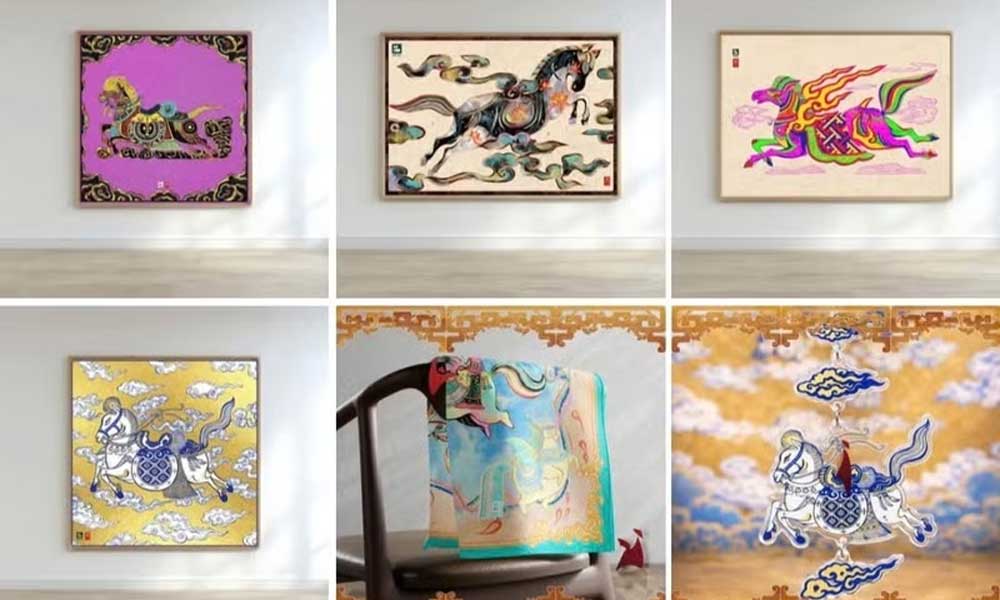
When combined with artistic expertise and technological proficiency, AI can help Vietnamese creators produce distinctive digital works that reflect national identity.
As Vietnam advances its cultural industry strategy, digital art is increasingly viewed as a promising growth sector. The convergence of human creativity and emerging technologies is helping define the future of the field, creating new opportunities for sustainable development and deeper integration into the global creative economy.







.jpg)
Reader's comments (0)