 Bắc Ninh


Expanded province positions Bac Ninh for new phase of industrial growth
BAC NINH – One year after the merger of the former Bac Ninh and Bac Giang provinces, the northern province of Bac Ninh has emerged as one of the country's fastest-growing economic hubs, leveraging its expanded geography, stronger industrial base and integrated infrastructure to attract high-value investment and reinforce its role in global manufacturing supply chains.
The newly enlarged province has strengthened its position as one of Vietnam's leading industrial centres, with authorities increasingly targeting investment in high-tech manufacturing, particularly electronics and semiconductors, while accelerating transport projects designed to improve regional connectivity.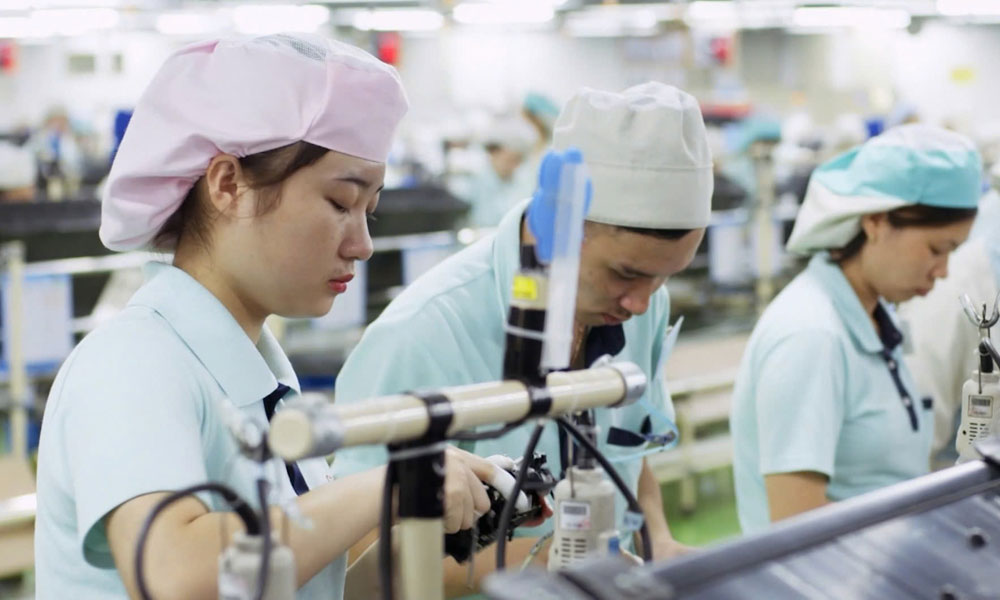
|
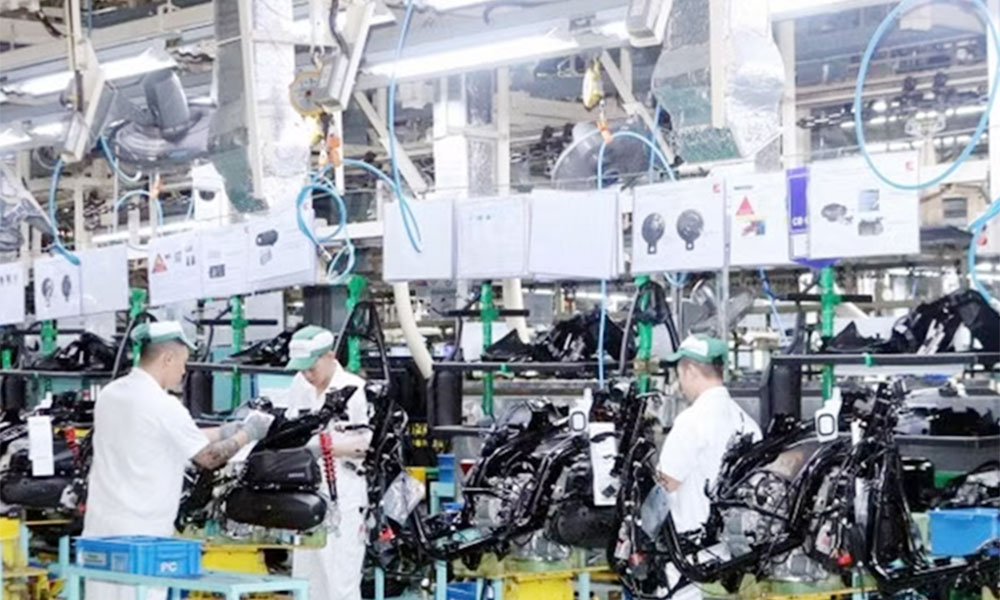
A production line at Canon Vietnam Co., Ltd. in Que Vo Industrial Park. |
According to the Management Board of Bac Ninh Industrial Parks, the province now has 39 industrial parks approved for development, covering approximately 11,524 hectares. Around 8,151 hectares have been designated for industrial production, information technology and administrative services.
The industrial parks currently host 2,294 active secondary investment projects with combined registered capital exceeding 45.5 billion USD.
During the first six months of 2026 alone, newly registered and additional investment surpassed 2 billion USD, underscoring the province's continued appeal to both domestic and foreign manufacturers.
Investment has increasingly shifted toward technology-intensive industries, in line with the province's development strategy. Global manufacturers including Samsung, Foxconn, Luxshare-ICT, Amkor and Canon continue to expand production, supporting exports, employment and industrial output.
Canon Vietnam's Que Vo factory, which manufactures printers and network-connected office equipment, increased production by 24% in the first half of the year compared with the same period in 2025. Fuhong Precision Component also reported higher output, reflecting sustained demand for electronic peripheral devices.
Provincial officials say the quality of incoming investment has improved significantly over recent years, moving beyond low-value assembly toward advanced manufacturing.
The strategy has helped establish a more comprehensive semiconductor and electronics ecosystem, reinforcing Bac Ninh's role in Vietnam's technology industry.
Authorities are investing heavily in an integrated transport network comprising highways, railways, inland waterways and future aviation infrastructure to strengthen links with Hanoi and other major economic centres in northern Vietnam.
A flagship project is the Gia Binh International Airport, which is expected to become one of the region's most modern aviation hubs. Site clearance has been completed and major construction works are progressing as local authorities accelerate implementation.
The province is also coordinating with central government agencies on several strategic railway projects, including a high-speed line linking Hanoi, Bac Ninh, Hai Phong and Quang Ninh, as well as a railway corridor running alongside Hanoi's Ring Road 4. Officials expect the projects to enhance regional logistics, facilitate trade and support long-term industrial expansion.
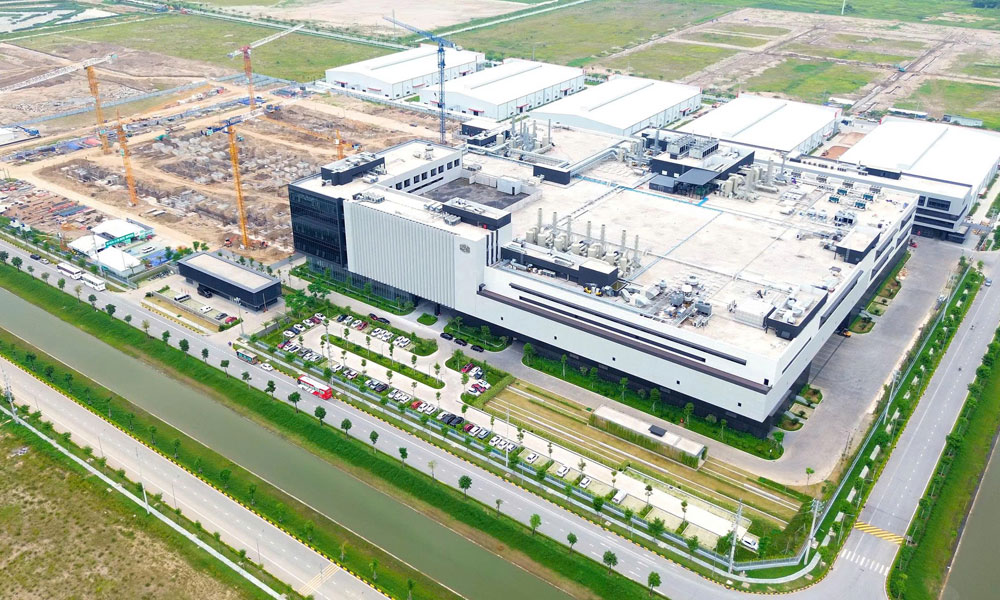
Alongside infrastructure investment, Bac Ninh is finalising a revised provincial master plan for 2021-2030 with a vision to 2050 following the administrative merger.
 |
|
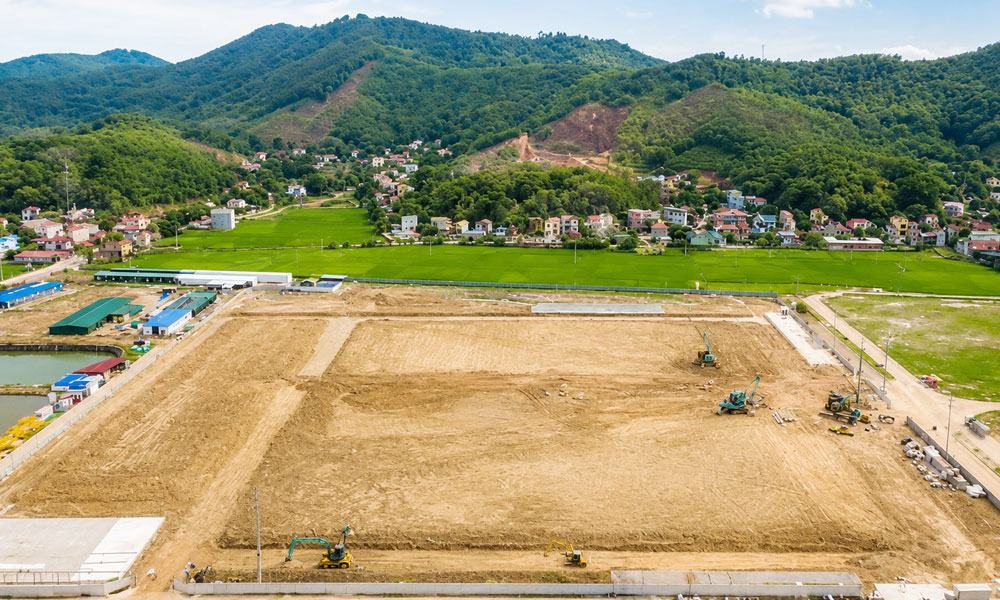
A view of Gia Binh II Industrial Park. |
The plan aims to transform Bac Ninh into a centrally governed city before 2030 and establish it as a major growth pole for northern Vietnam through green, high-value industry and modern services.
By 2050, the province envisions becoming a model green city with modern transport infrastructure, high living standards and the distinctive cultural identity of the Kinh Bac region.
The revised planning framework adopts a multi-centre development model that balances urban areas, industrial zones, services and rural communities while promoting stronger regional integration.
Experts say the approach marks a shift from the separate development strategies of the two former provinces toward a unified growth model that expands industrial, urban, logistics and service space, creating new opportunities for investors and supporting Bac Ninh's ambition to remain one of Vietnam's leading destinations for high-tech manufacturing.


Reader's comments (0)