 Bắc Ninh


Preserving the soul of Kinh Bac’s countryside
BAC NINH - Every village has its own stories about the formation of the land, the origins of its name, local customs, festivals, traditional crafts, and community values that have been nurtured and passed down from one generation to the next. In the context of administrative restructuring, preserving these values is not only a responsibility to the past but also a way of safeguarding cultural identity for the future.
At the foot of the Tay Yen Tu mountain range, Mau hamlet has long been home to the Dao ethnic community, where many distinctive cultural traditions are still preserved today.
 |
|
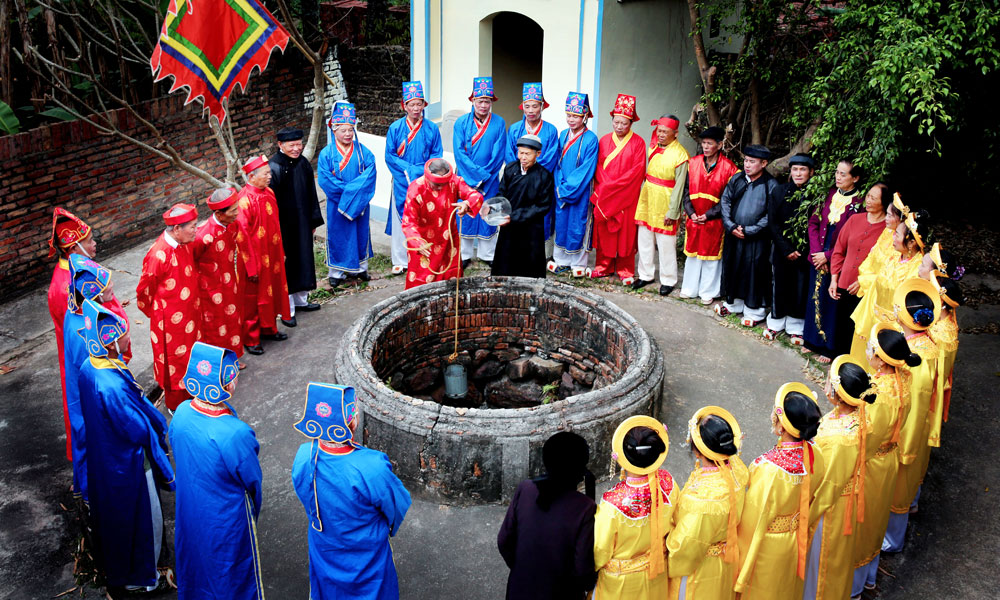
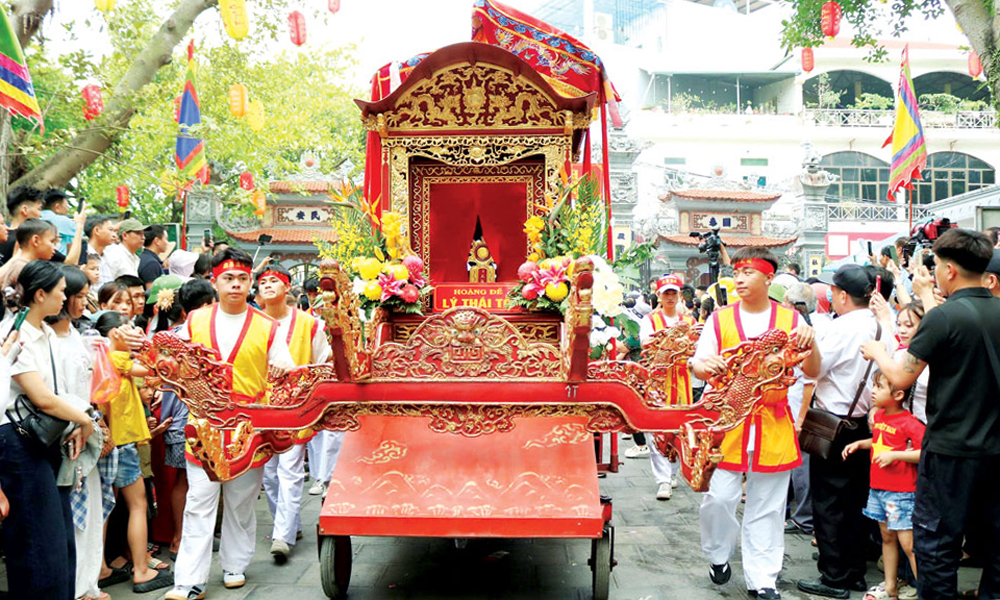
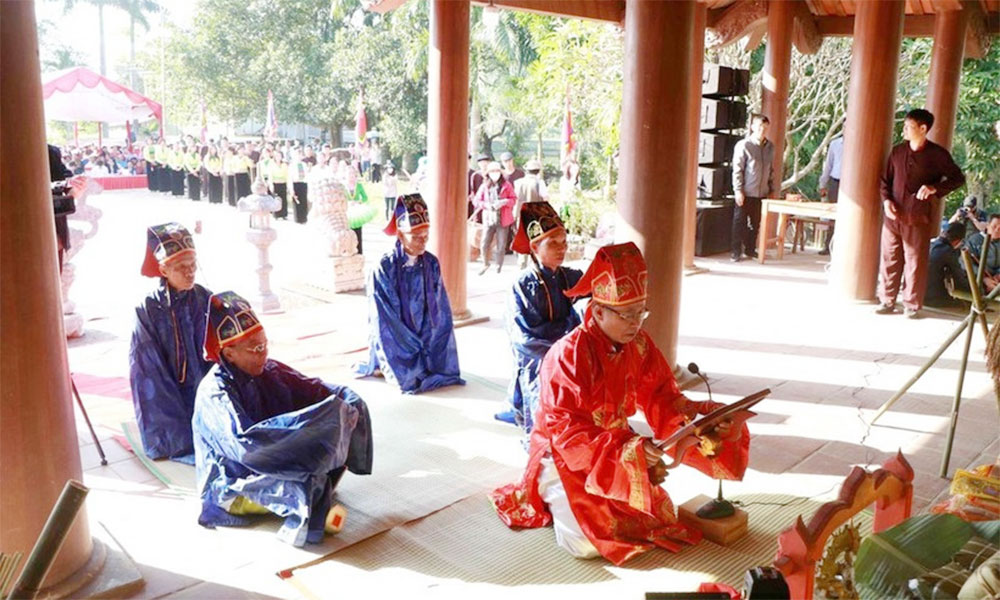
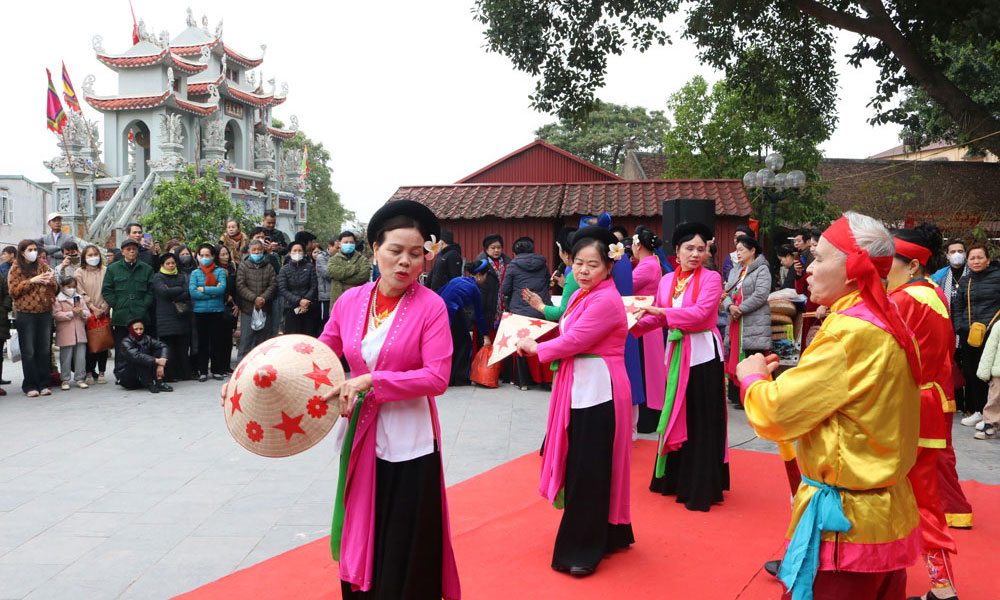
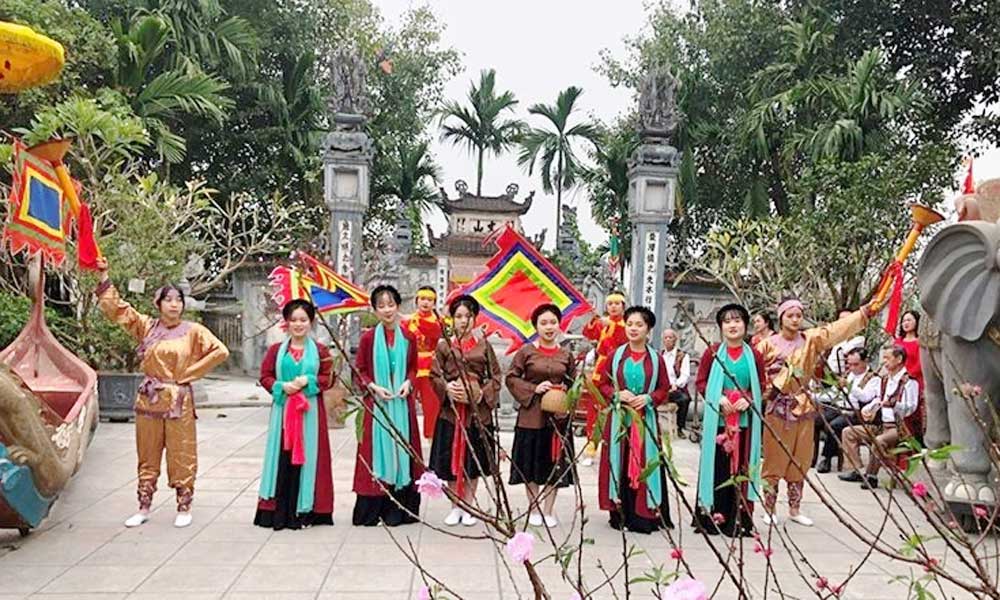
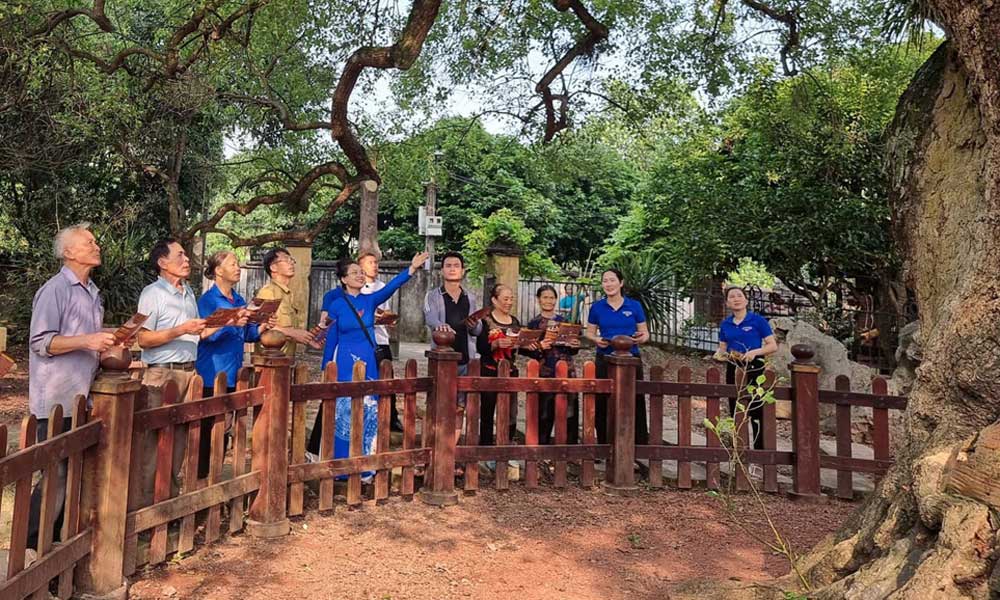
The traditional water-fetching ritual at Ngoc well during the Chanh Communal House Festival in Tan Yen commune. |
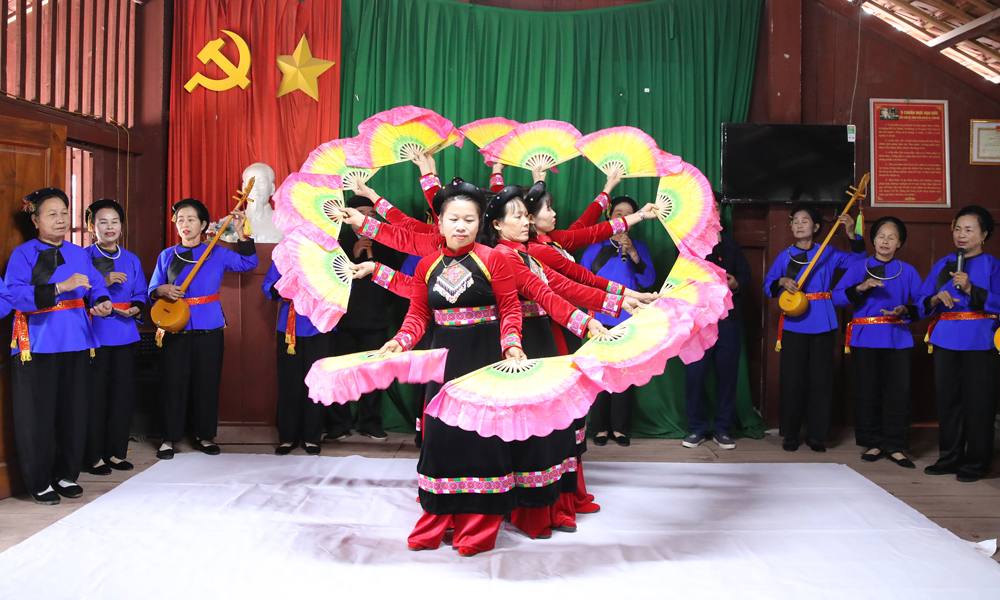
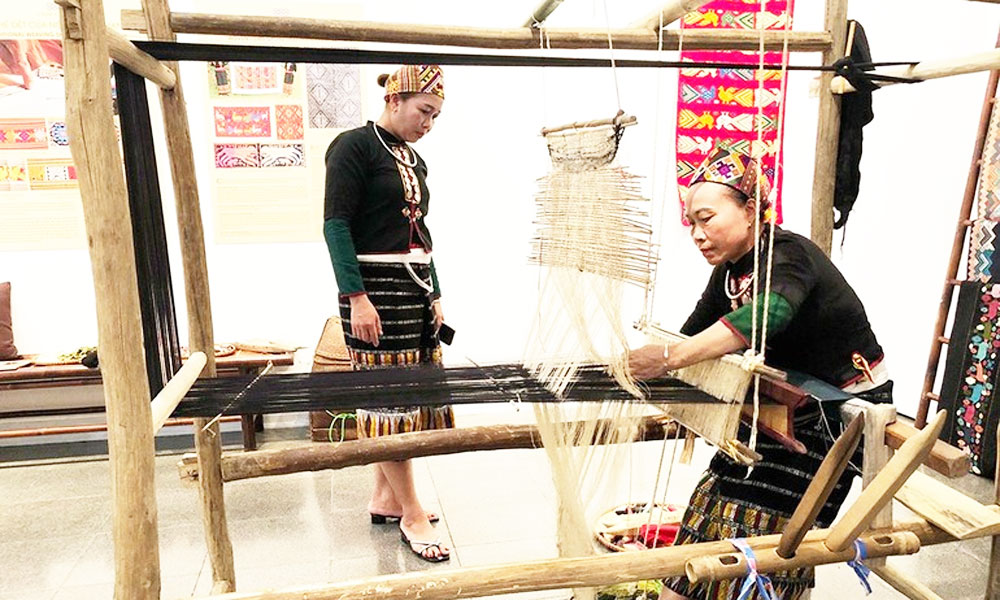
Elaborately hand-embroidered traditional costumes, the Cap Sac (coming-of-age) ceremony, folk songs, knowledge of medicinal herbs, and customs closely tied to community life remain part of everyday living.
The hamlet is home to 350 households, and most women are skilled in embroidering traditional attire. What is particularly valuable is that, amid development and modernisation, the traditional beauty of this region has been preserved and promoted as a unique advantage.
This is vivid proof that cultural preservation does not mean freezing the past but rather ensuring that traditional values continue to thrive in contemporary life.
Along the banks of the Cau River, the pottery kilns of Phu Lang village have remained active for centuries. The ancient pottery village not only preserves a traditional craft but also maintains a distinctive cultural space associated with the craft village.
For veteran artisans, the kiln fire has produced exquisite handmade products. It also embodies memories and a love for the craft that have been passed down from generation to generation.
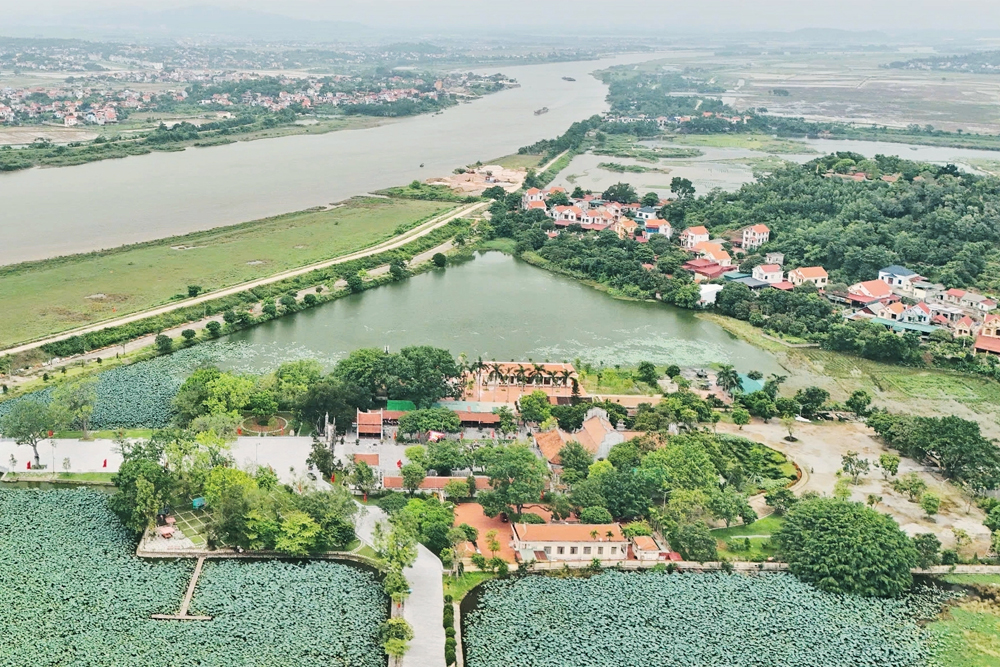
North of the Cau River, Van village (Yen Vien residential area, Van Ha ward) still retains the character of a traditional ancient village.
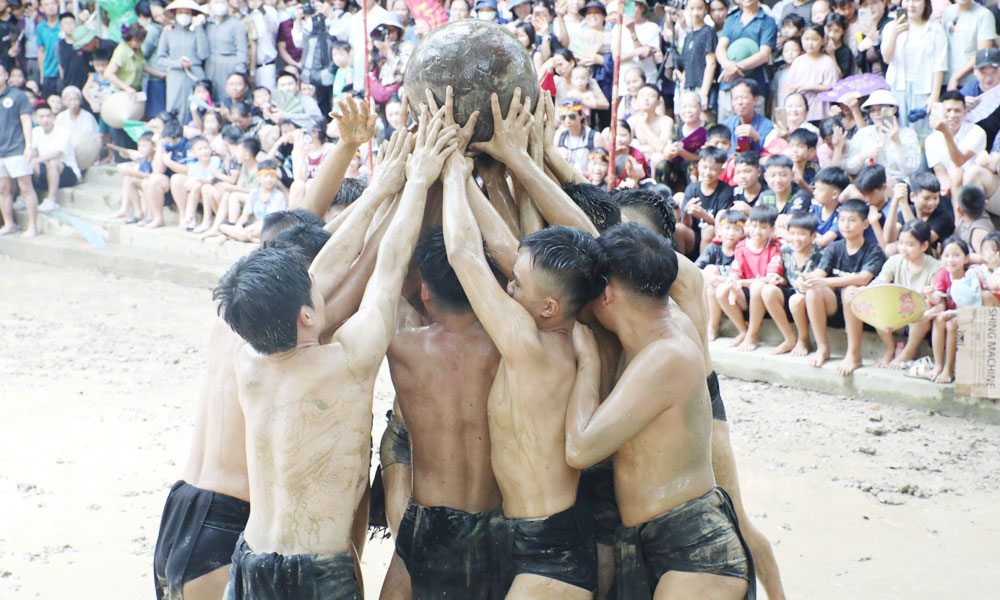
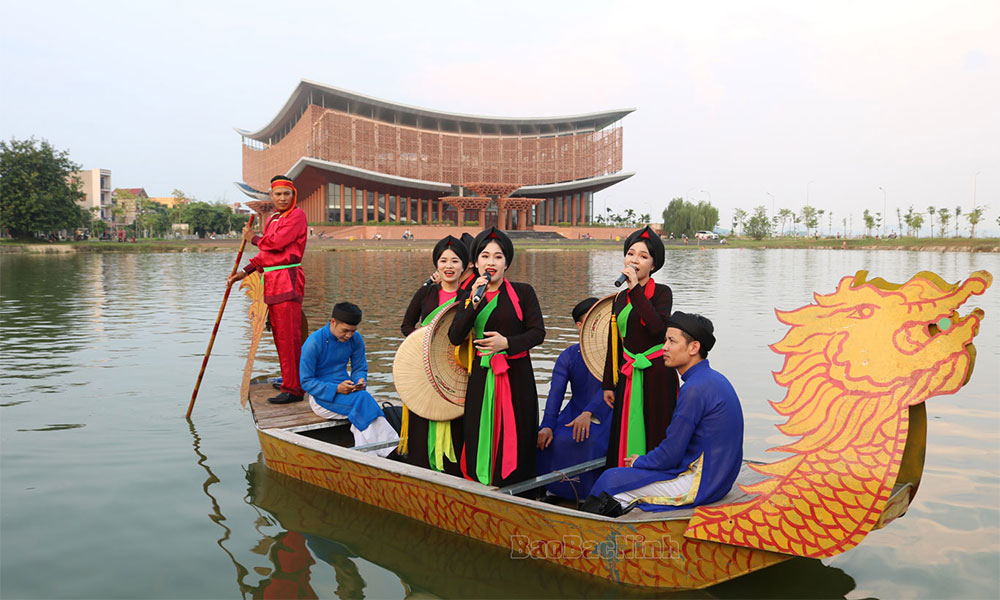
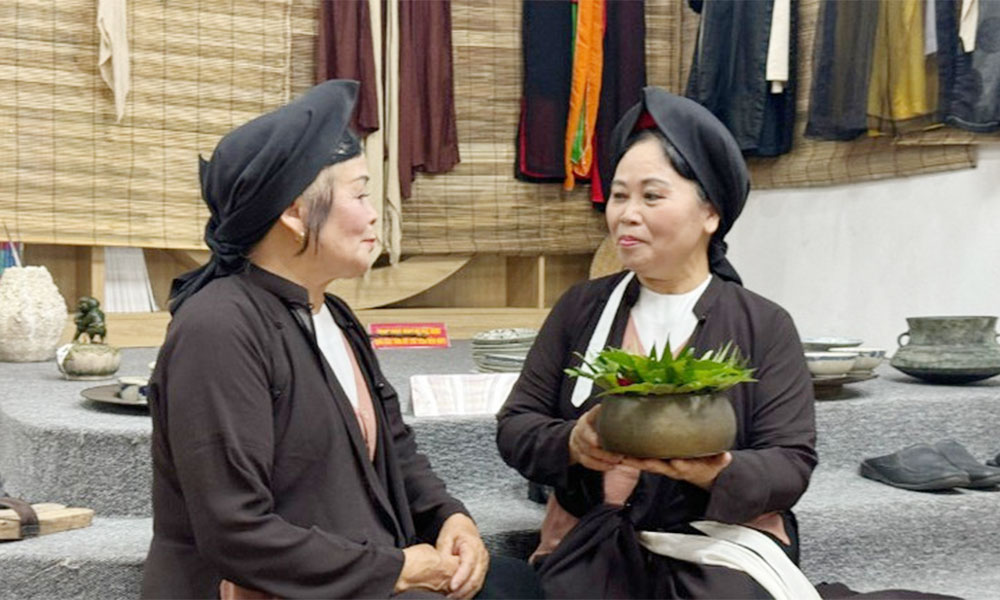
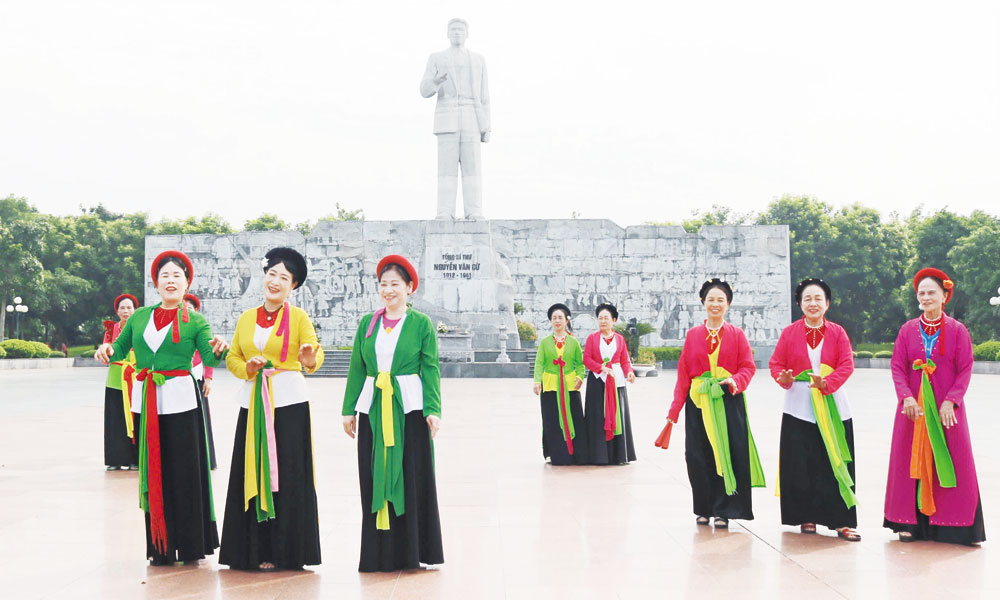
Despite the passage of time and many historical changes, local residents have preserved the traditional rice-wine brewing craft, the mud ball wrestling festival, Quan Ho folk songs, and strong community bonds.
Alongside building a reputation for its famous local products, Van village has also successfully safeguarded many cultural values closely linked to the rural life of the delta region.
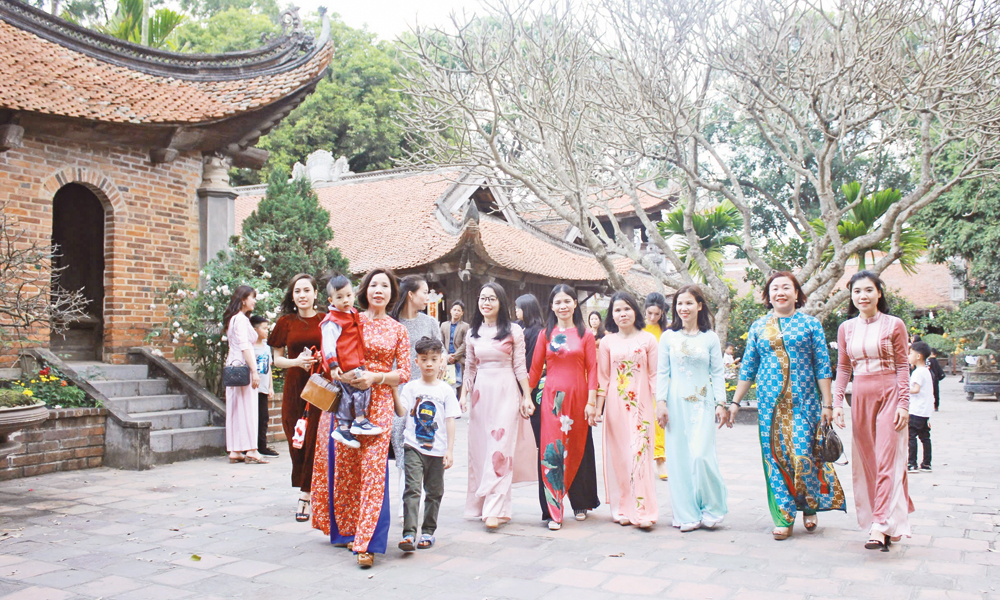
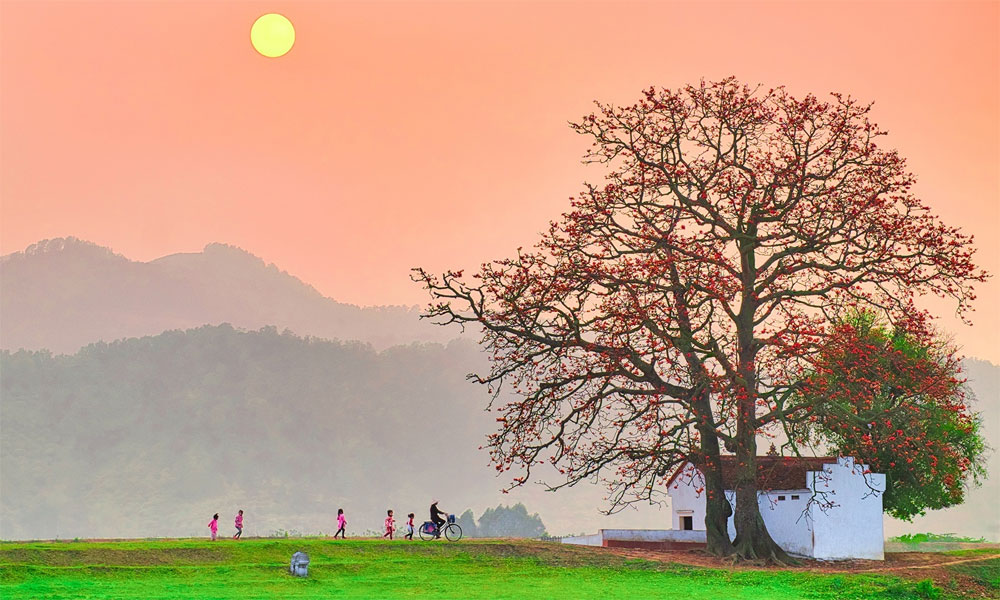
It can be seen that every rural area preserves a part of the memory of Kinh Bac culture. These values belong not only to individual villages but have become shared assets of the wider community, contributing to the diverse and distinctive cultural identity of present-day Bac Ninh.
Following the merger with Bac Giang province, Bac Ninh now has a population of more than 3.99 million people living in 2,858 villages and residential areas across 99 communes and wards.
Every locality carries its own historical story, collective memory, and unique cultural values. According to Associate Professor Dr. Bui Hoai Son, full-time member of the National Assembly’s Committee for Culture and Social Affairs, villages in Vietnam are not merely residential units but cultural structures formed and enriched over many centuries.
Behind every village name lies the history of its establishment, communal house, pagodas, temples, festivals, village conventions, traditional crafts, clan relationships, and collective memories.
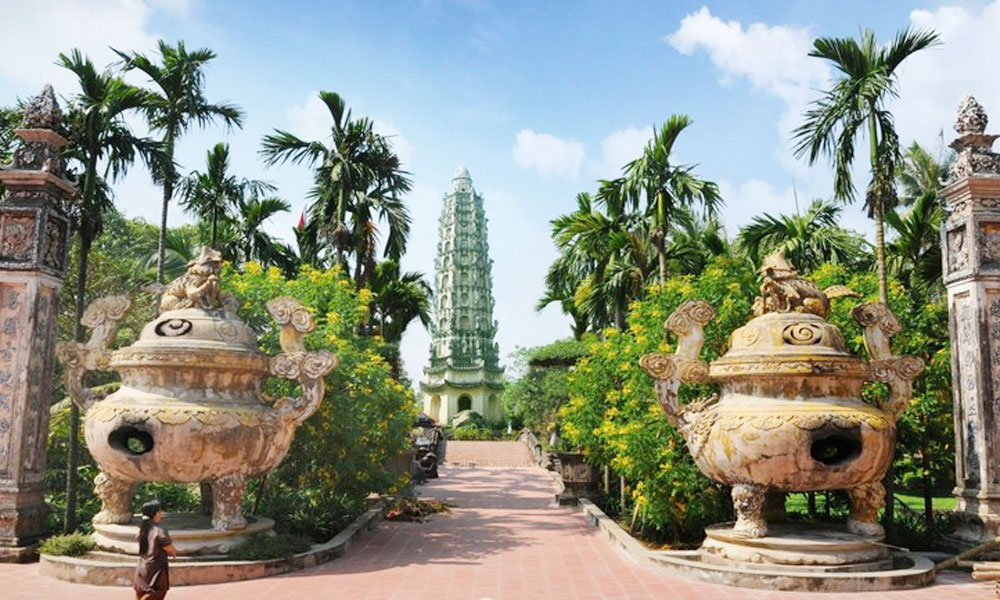
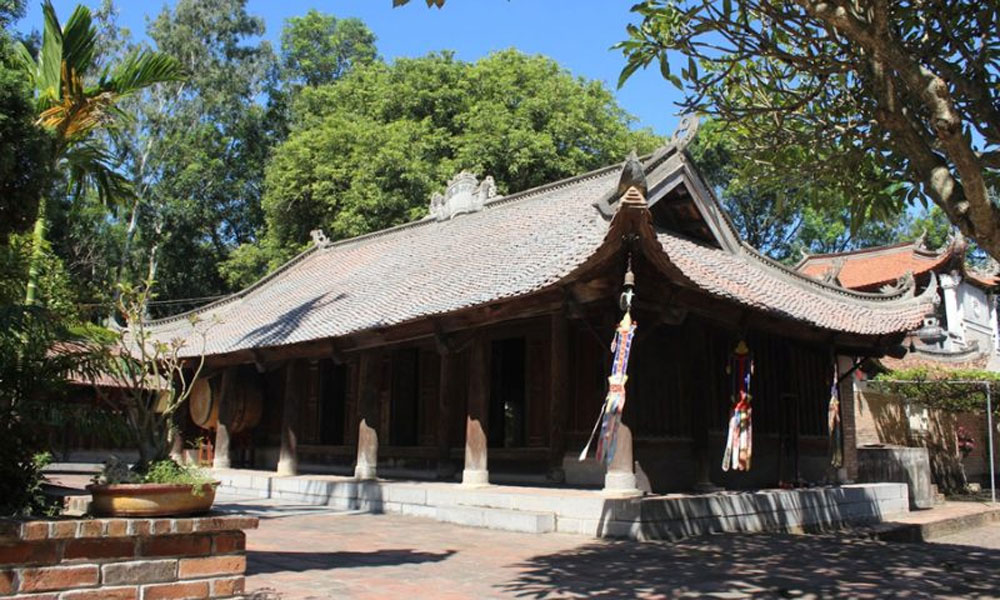
Therefore, preserving village culture is not simply about maintaining physical structures such as communal houses, temples, pagodas, or historical relics.
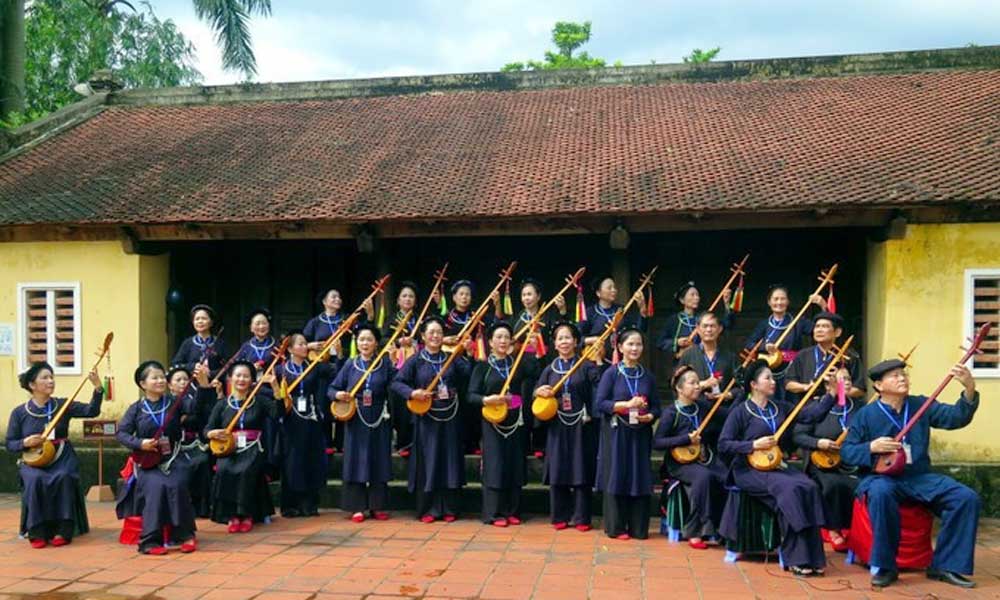
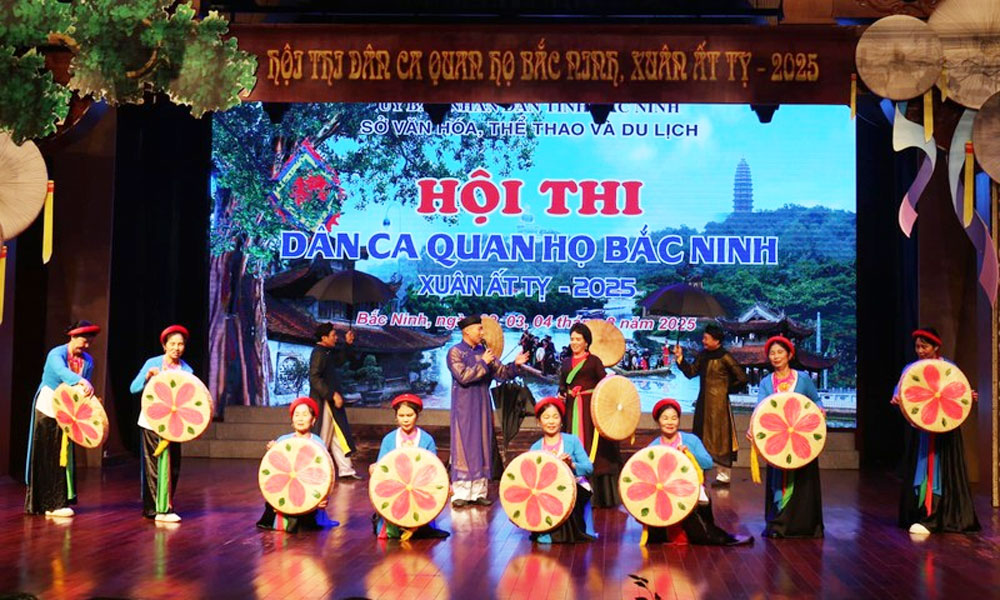
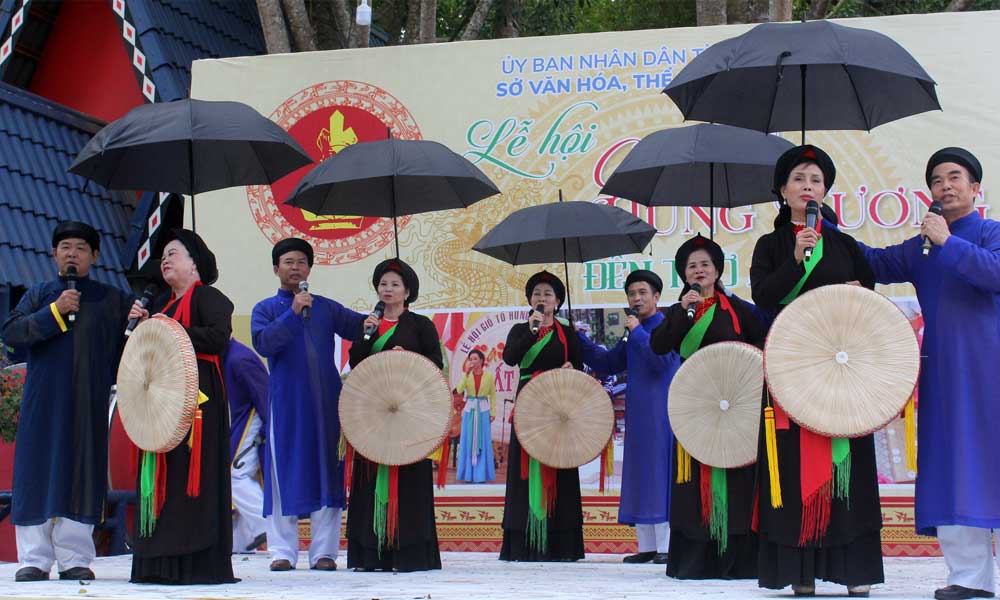
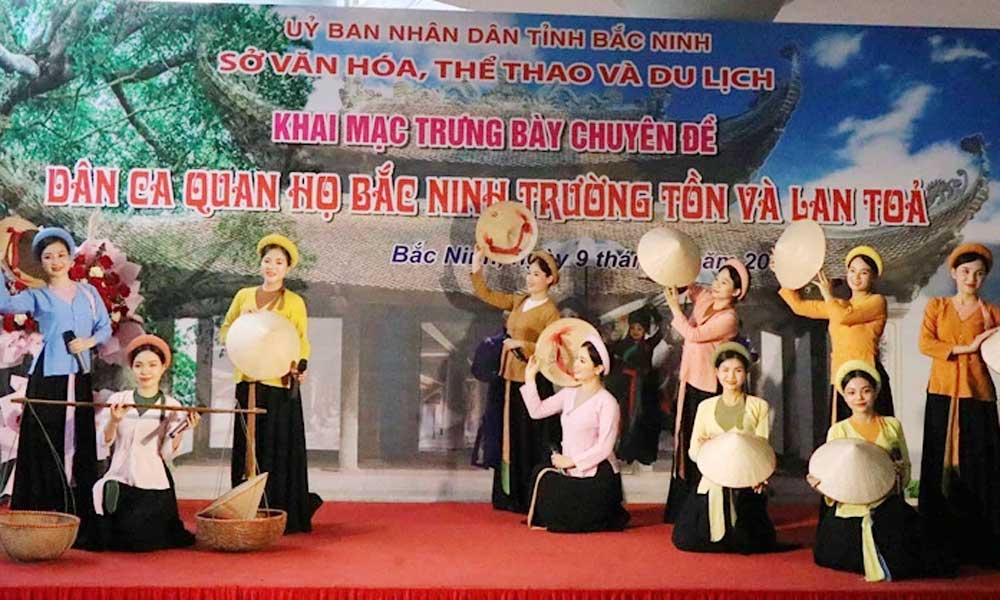
More importantly, it means safeguarding the intangible values deeply embedded in community life. These include Quan Ho folk songs performed during festivals, traditional crafts transmitted across generations, neighbourly solidarity, the moral principle of gratitude to ancestors, and pride in the homeland.
Bac Ninh is entering a new stage of development with a larger geographical space, stronger resources, and the convergence of diverse cultural traditions.
In this context, preserving the cultural values of rural villages becomes even more significant. It is not only an act of gratitude toward the past but also a means of safeguarding cultural essence and providing a spiritual foundation for long-term development.
Village names may change, but the cultural values crystallised through hundreds of years of history must continue to be cherished and preserved.
Amid the pace of modern life, preserving village culture helps future generations remember their roots, take pride in their homeland, and continue the story of the culturally rich and historically significant land of Kinh Bac.


















.jpg)








Reader's comments (0)