 Bắc Ninh


Supporting industries seek fresh growth momentum
Against a backdrop of global uncertainty and supply chain restructuring, the Government has introduced a range of measures aimed at injecting new momentum into domestic manufacturing. New provisions covering workforce training, testing and certification, trade promotion and technology upgrades have been implemented.
As global supply chains continue to shift and reorganise, Vietnam’s supporting industries are navigating both fresh opportunity and mounting pressure, with businesses warning that healthy capital flows and effective policy implementation will be decisive if the sector is to achieve a genuine breakthrough.
 |
|
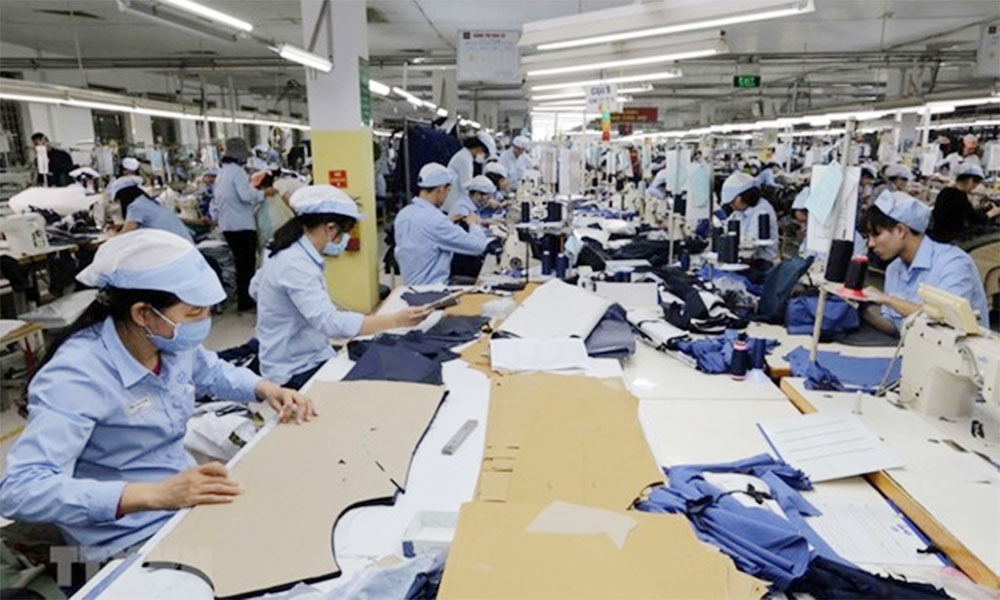
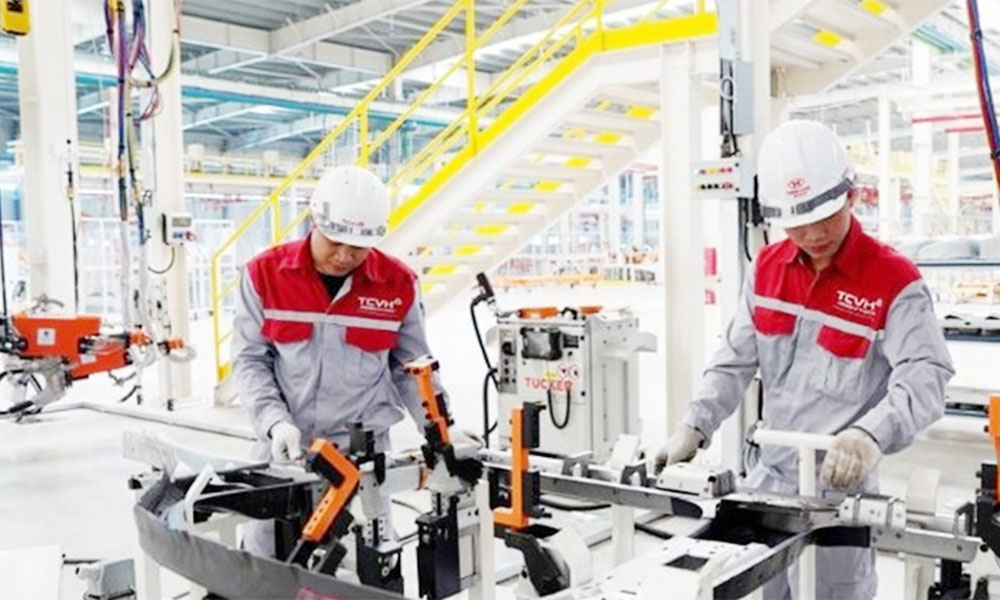
Workers at a textile factory in Hanoi. |
Against a backdrop of global uncertainty and supply chain restructuring, the Government has introduced a range of measures aimed at injecting new momentum into domestic manufacturing. New provisions covering workforce training, testing and certification, trade promotion and technology upgrades have been implemented.
However, businesses say a gap remains between policy intent and practical delivery. Supporting industry firms in Hanoi and elsewhere continue to face limited access to capital, shortages of suitable industrial land and increasingly stringent technical standards as they integrate more deeply into the supply chains of foreign direct investment companies and global markets.
At a recent seminar reviewing the sector’s performance in 2025 and prospects for 2026, Nguyen Quang Thang, General Director of Bao Minh Chau Industry JSC, described medium and long-term credit as the most pressing obstacle.
He said access to financing still depends heavily on collateral, creating significant constraints for firms whose assets are modest relative to the scale of projects they intend to undertake.
Businesses are therefore calling for long-term credit packages aligned with investment cycles. Thang also suggested that lenders broaden their assessment criteria to include project feasibility, future cash flows or the participation of investment funds, rather than focusing solely on pledged assets.
Stronger coordination among banks, investment funds, enterprises and regulators is needed to establish more suitable capital supply mechanisms, he said, enabling companies to invest in technology and develop higher value-added products.
At present, firms can access funding through the Vietnam Development Bank and commercial banks, alongside various investment, innovation and science and technology funds. Yet procedures and lending conditions remain challenging for many small and medium-sized enterprises.
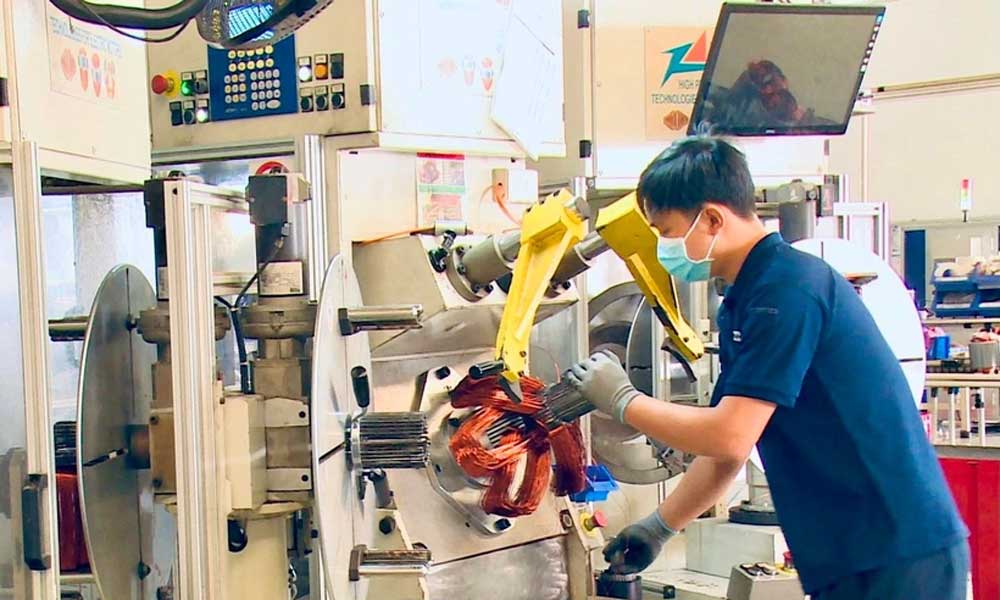
For manufacturers of industrial electrical equipment in particular, meeting stricter technical standards required by foreign-invested partners entails significant investment in advanced machinery, quality management systems, automation and digital transformation. Such upgrades demand substantial capital and involve long payback periods.
Thang said his company is actively seeking partnerships with investment funds to strengthen its financial capacity and support technology upgrades and production expansion.
Looking ahead to 2026, businesses are calling for more synchronised policies on industrial land and infrastructure, as well as more flexible credit mechanisms that allow enterprises to access funding in line with their development strategies.
From an association perspective, Nguyen Van, Vice Chairman of the Hanoi Supporting Industries Business Association, said the principal gap lies in translating macro-level policies into concrete action at enterprise level.
Through direct engagement with member companies, the association has gathered consistent feedback that while overarching orientations are clear, implementation at grassroots level remains uneven.
Van stressed that responsibility does not rest solely with businesses. It also concerns the effectiveness of implementation by relevant authorities.
He called for closer attention to the practical difficulties faced by enterprises and for stronger dialogue between policymakers and the business community. Associations, he said, can act as an important bridge to ensure that companies’ concerns are conveyed promptly and accurately.


















Reader's comments (0)