 Bắc Ninh


Vietnam records 16.65 billion USD trade deficit in first half
A comprehensive package of measures is needed to maintain and gradually expand Vietnam's trade surplus. This will provide a solid foundation for the agricultural sector to further strengthen its role as a pillar of the economy and make a more substantial contribution to Vietnam's overall economic growth.
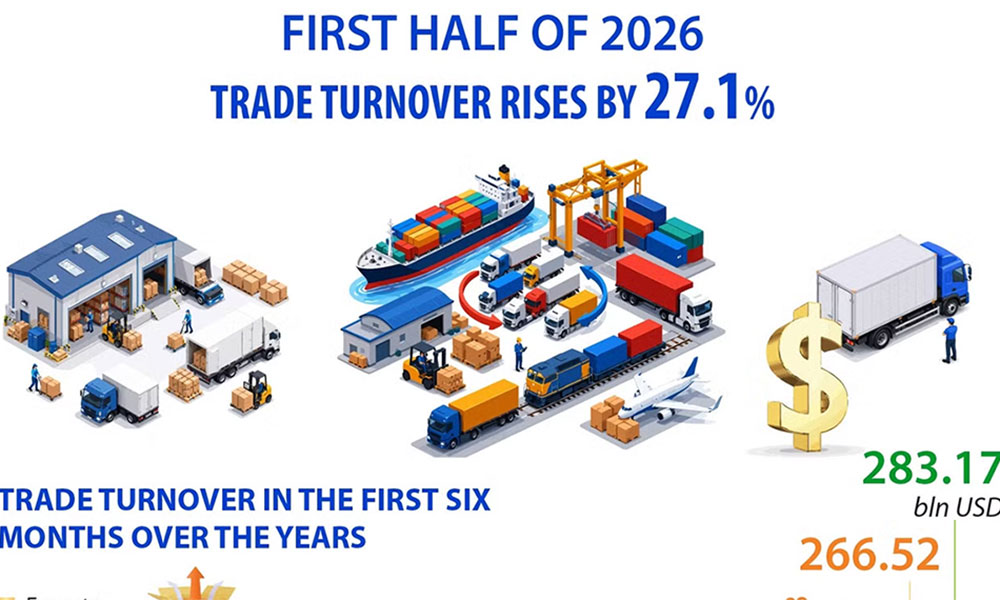
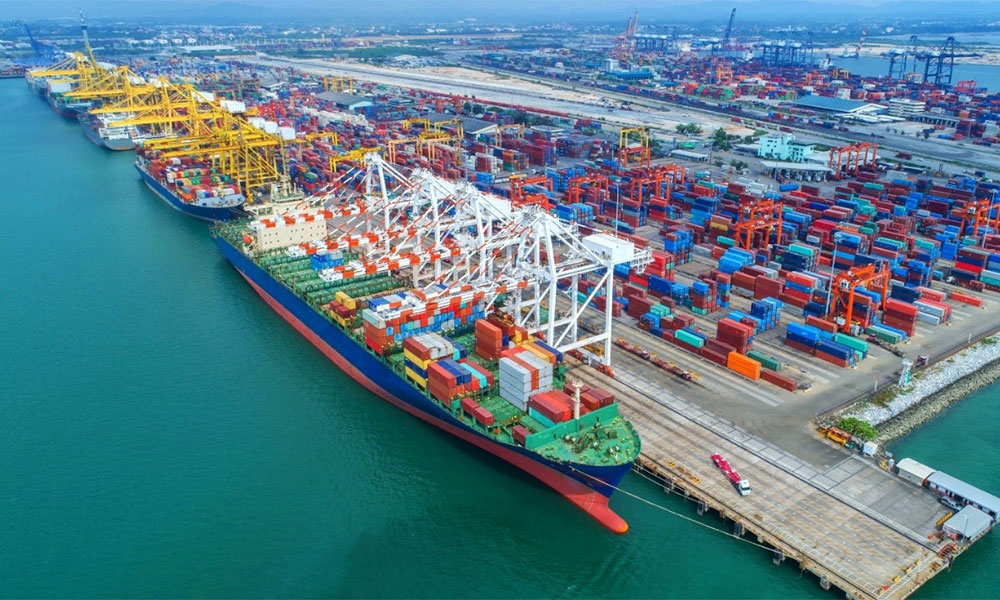
Vietnam's merchandise trade balance posted an estimated trade deficit of 16.65 billion USD in the first six months, as compared to a trade surplus of 7.95 billion USD in the same period last year, according to the National Statistics Office (NSO).
 |
|
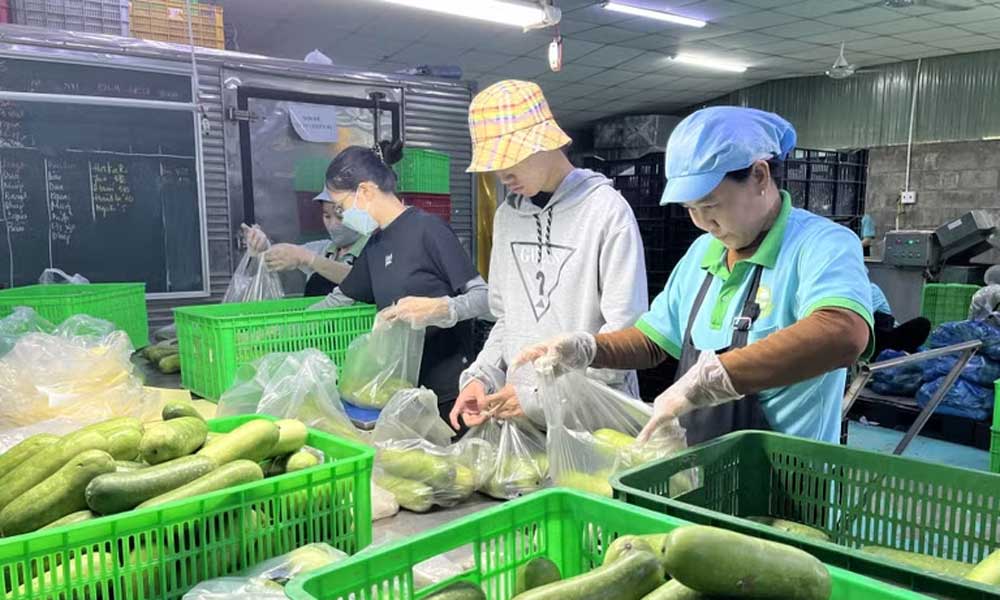
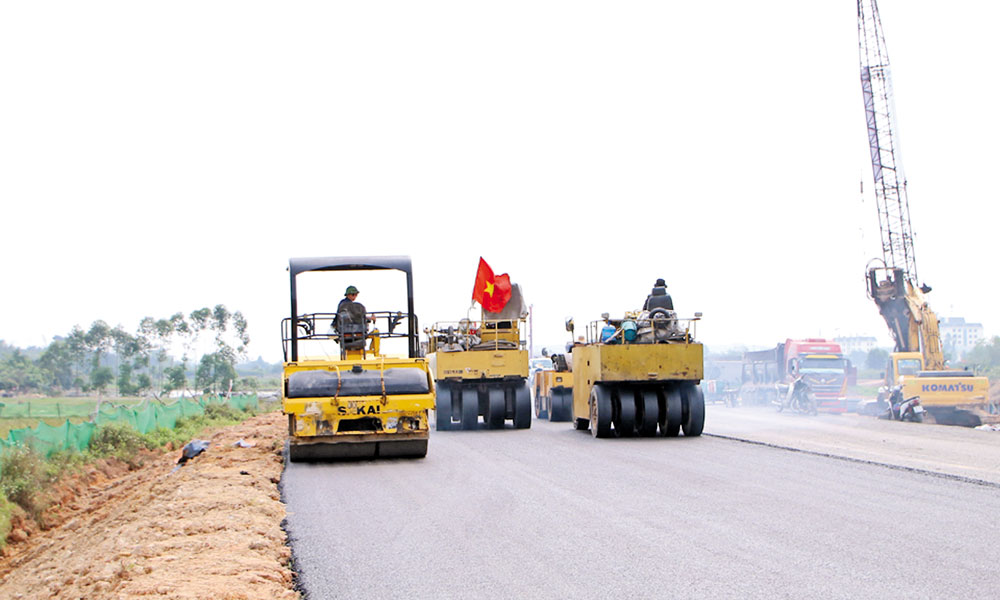
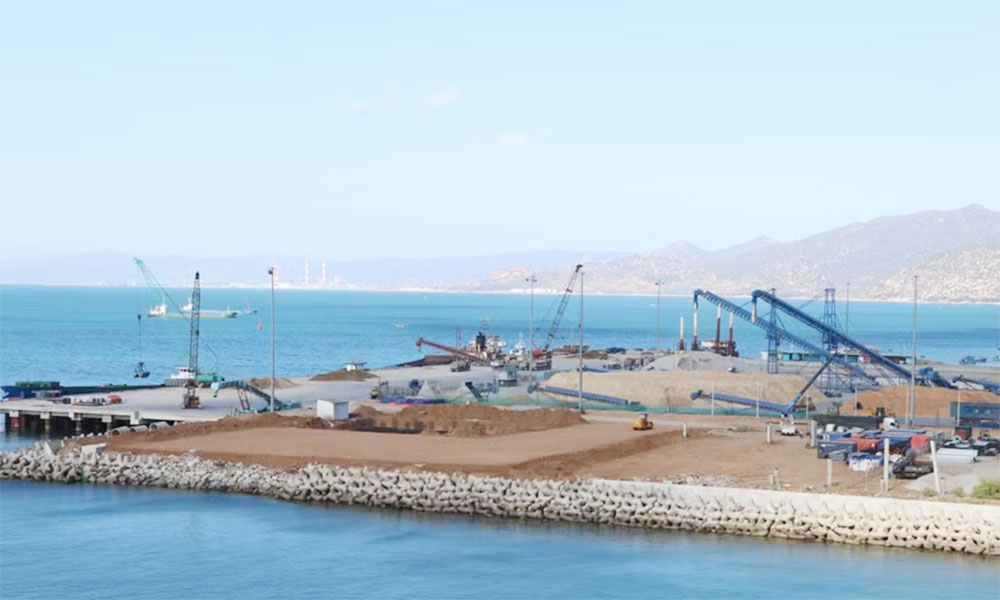
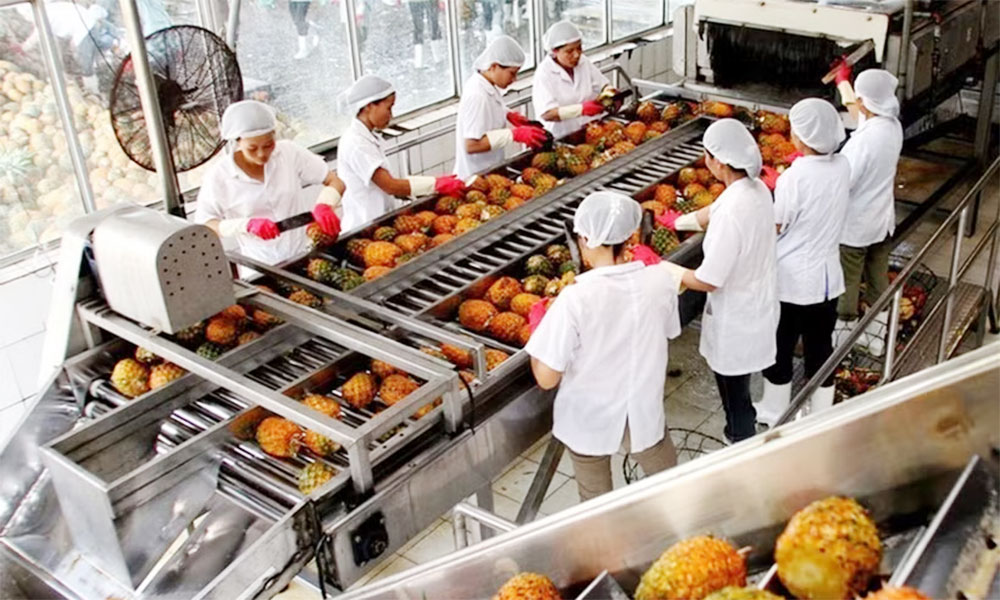
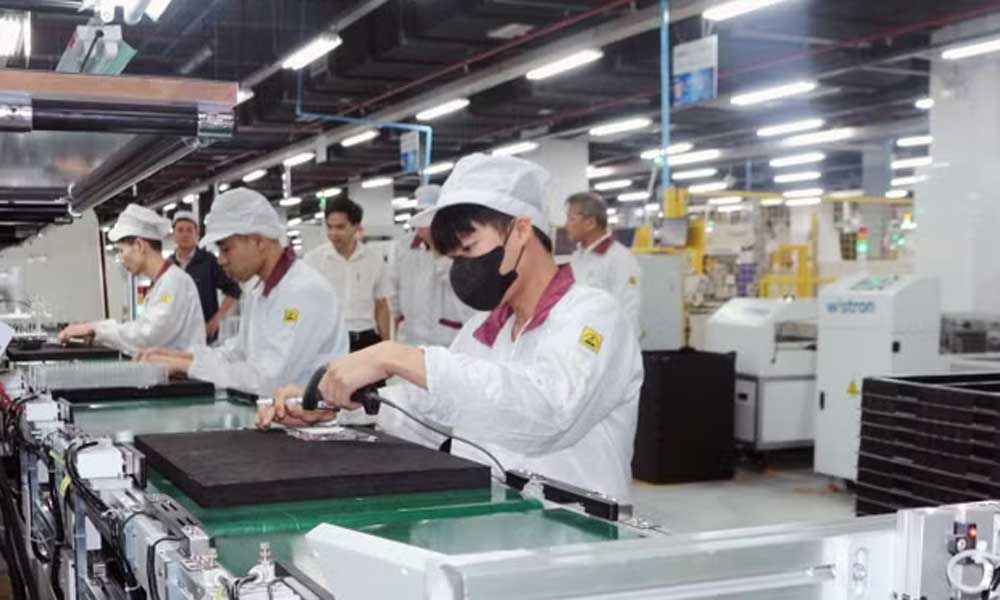
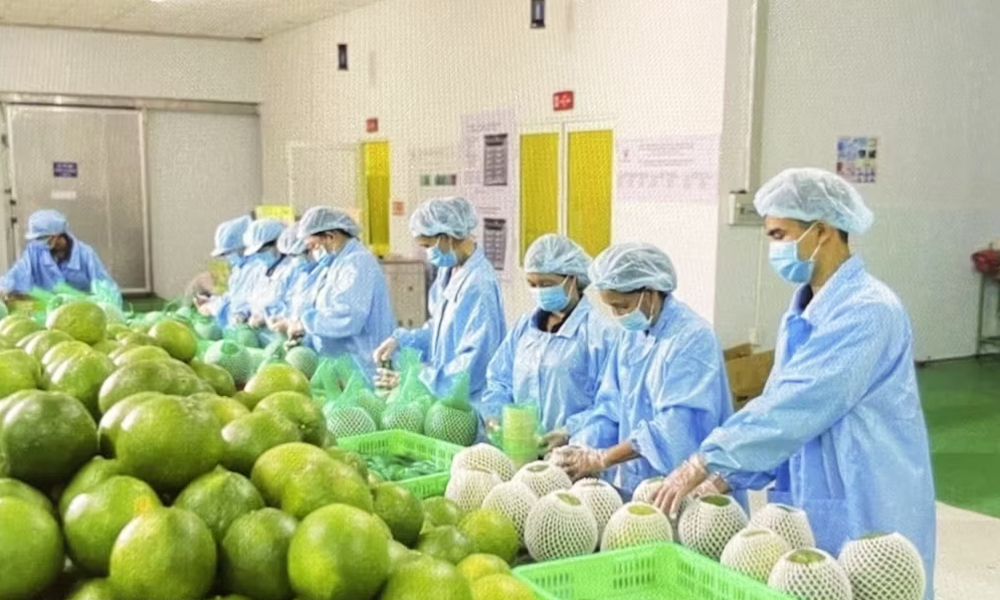
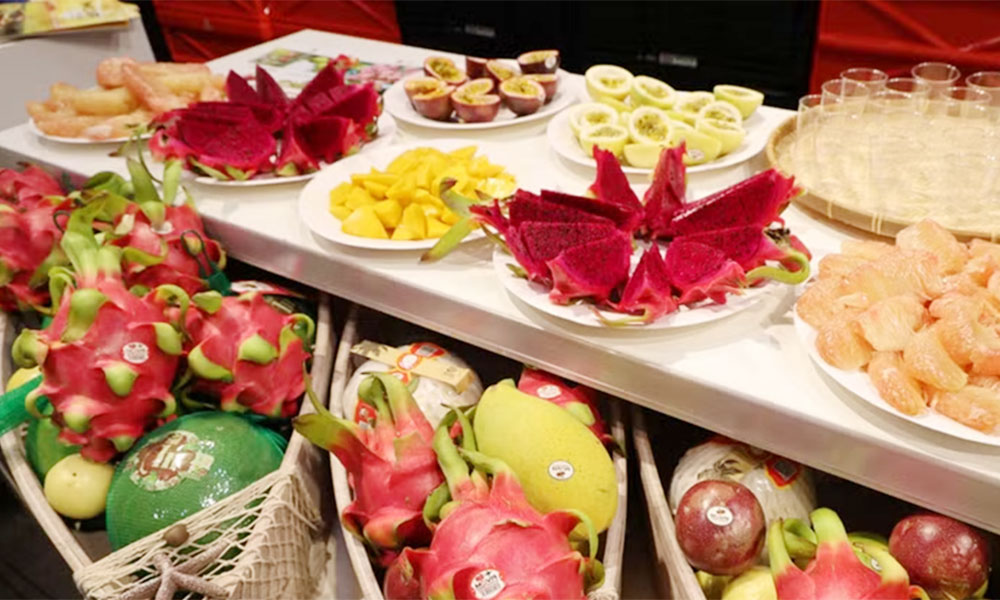
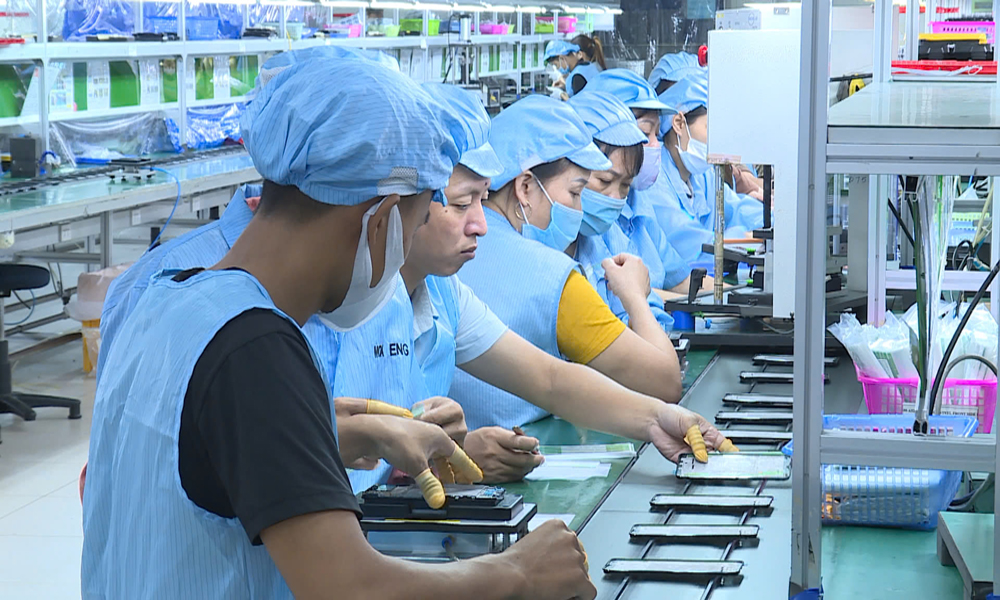
Illustrative image. |
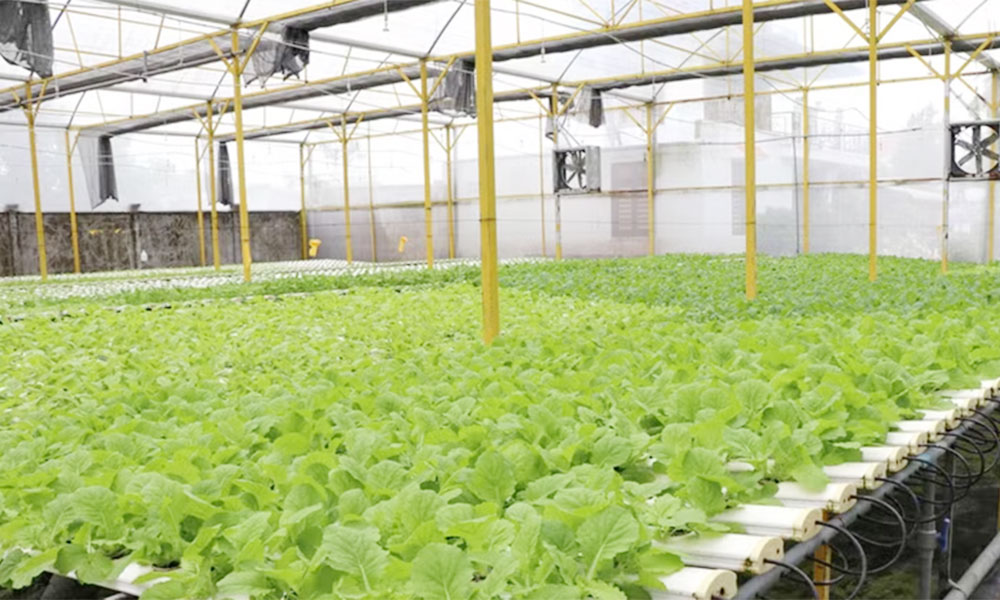
Against this backdrop, the agro-forestry-fisheries sector remained a bright spot, maintaining a trade surplus of around 9.2 billion USD. This once again underscores the sector's important role in easing pressure on the country's overall trade balance.
However, compared to the same period last year, the agricultural sector's trade surplus declined by 7.7%, largely due to a sharp rise in imports, which reached 26.68 billion USD, up 11.7% year-on-year.
Most import categories recorded growth, with livestock products increasing by 26.9%, forestry products by 19.9%, and farm produce by 16.1%.
Meanwhile, export prices of several key commodities, including coffee and rice, fell markedly under the impact of global price movements.
These developments indicate that achieving a sustainable increase in the trade surplus will require solutions on both the import and export fronts.
On the import side, Vietnam should gradually strengthen its capacity to secure domestic raw material supplies by developing concentrated production areas capable of delivering high-quality, competitively priced inputs, particularly for export-oriented industries such as cashew nuts, timber and seafood, where demand for processing materials continues to grow.
Reducing reliance on imported raw materials is also essential to enhancing the resilience of the farming sector against fluctuations in global markets.
Rising international raw material prices or logistics costs inevitably increase domestic production costs, eroding competitiveness and narrowing the scope for trade surpluses across many export industries.
On the export side, production volume is no longer the most important factor driving export earnings; rather, selling prices have become the key lever for growth.
Each commodity sector should therefore adopt proactive measures to gain greater control over pricing in international markets.
For example, the coffee and fruit-vegetable industries should focus on deeper processing to meet changing consumer demand, increase value-added and reduce vulnerability when global markets experience oversupply and falling prices.
For rice exports, in addition to maintaining traditional markets, Vietnam should expand shipments to higher-value destinations by promoting premium specialty rice and low-emission rice.
In practice, while Vietnam's 5% broken rice is currently exported for just over 400 USD per tonne, fragrant rice and low-emission rice exported to markets such as Japan and the European Union can fetch between 800 USD and more than 1,000 USD per tonne.
In 2025, the agricultural sector recorded a trade surplus of about 21 billion USD, making a significant contribution to the country's overall trade performance.
However, several unfavourable factors emerged during the first months of the year. Therefore, in the remaining months, it is essential to implement a comprehensive package of measures to maintain and gradually expand the trade surplus.
This will provide a solid foundation for the agricultural sector to further strengthen its role as a pillar of the economy and make a more substantial contribution to Vietnam's overall economic growth.




















Reader's comments (0)