 Bắc Ninh


Bac Ninh boosts sustainable use of forest resources
BAC NINH - Communes including Bo Ha, Dong Ky, Xuan Luong and Tam Tien in the former Yen The district have large areas of planted forests in the northern province of Bac Ninh, providing stable livelihoods for around 10,000 households, highlighting strong potential for forestry development alongside growing demands for sustainable management.
According to Nguyen Ba Kien, head of the Yen The inter-communal forest ranger unit, total forested land in the area exceeds 14,000 hectares, accounting for nearly half of the natural area.
 |
|
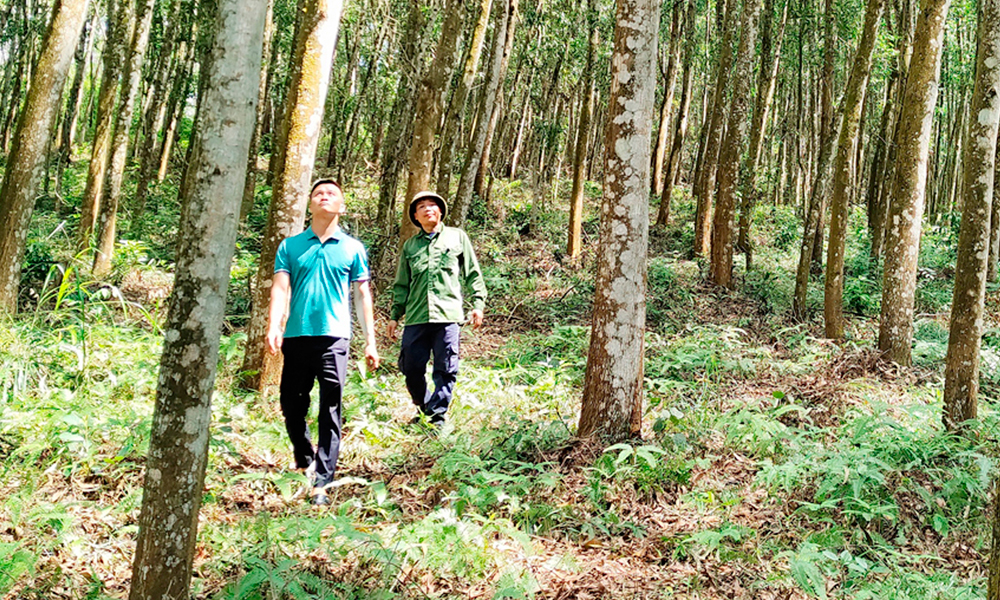
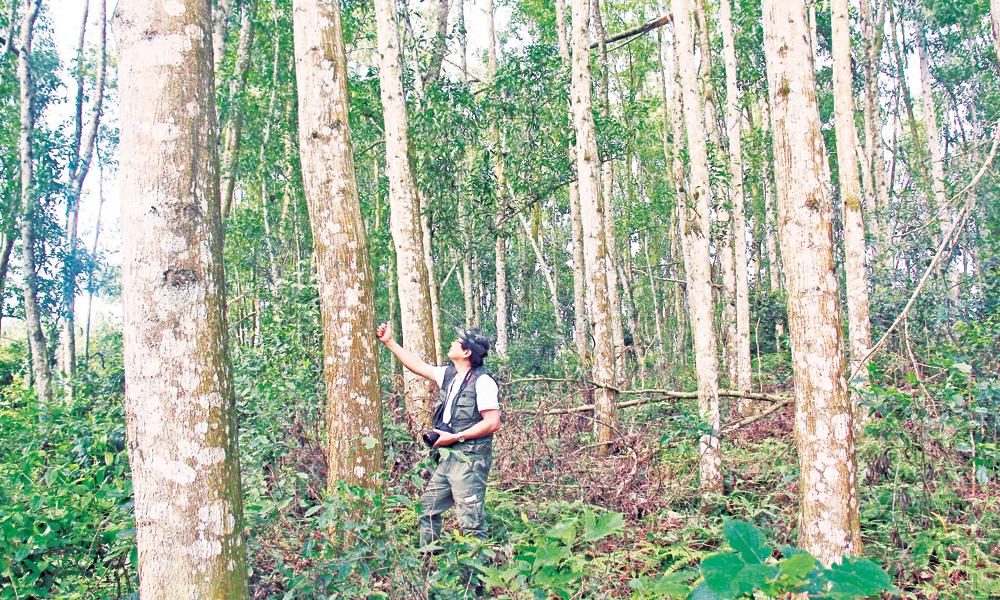
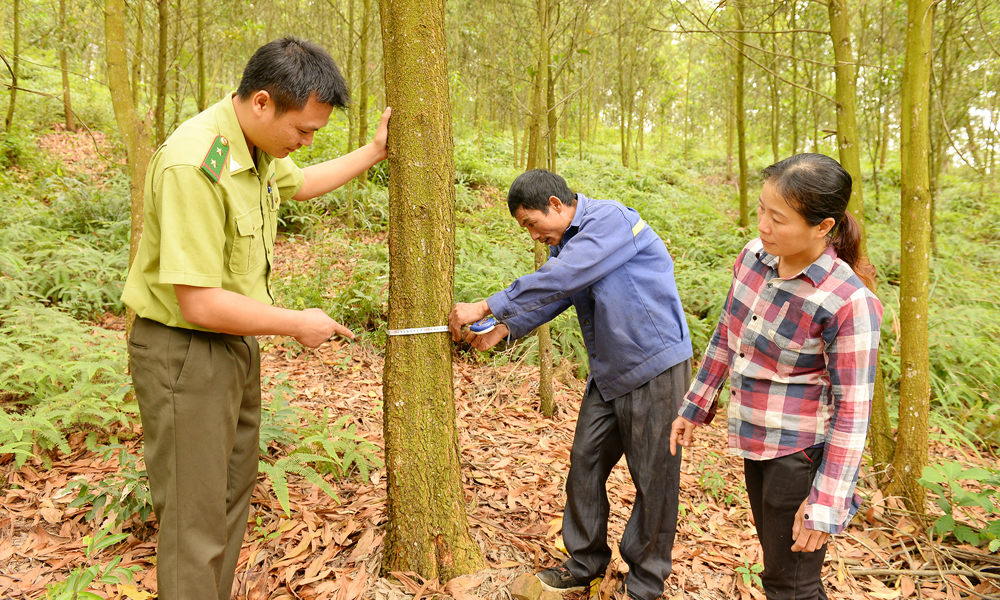
Residents of Rung Chieng village, Tien Thang commune, plant large-timber forests. |
Natural forest covers about 830 hectares, while more than 10,000 hectares are production forests, with the remainder under development, positioning the area as a key forestry economic zone of the province.
To better tap this potential, forest rangers have coordinated closely with local authorities to implement comprehensive forest management measures, focusing on allocating land and forests to organizations, businesses and households for long-term stewardship.
About 10,000 households and individuals are now directly involved in planting, tending and protecting forests. The model strengthens local ownership while linking economic benefits with conservation responsibilities. As a result, all forest areas were preserved in 2025, with no illegal deforestation recorded.
Effective forest-based economic models have emerged. Nguyen Van Tuan’s household in Tam Tien commune, for example, has transformed nearly 3 hectares of previously unused hill land into plantations of acacia and eucalyptus.
Over 15 years, the model has expanded into diversified livelihoods, including beekeeping, medicinal plant cultivation and poultry farming under forest canopies, generating annual income of 250–300 million VND (9,500 – over 11,300 USD).
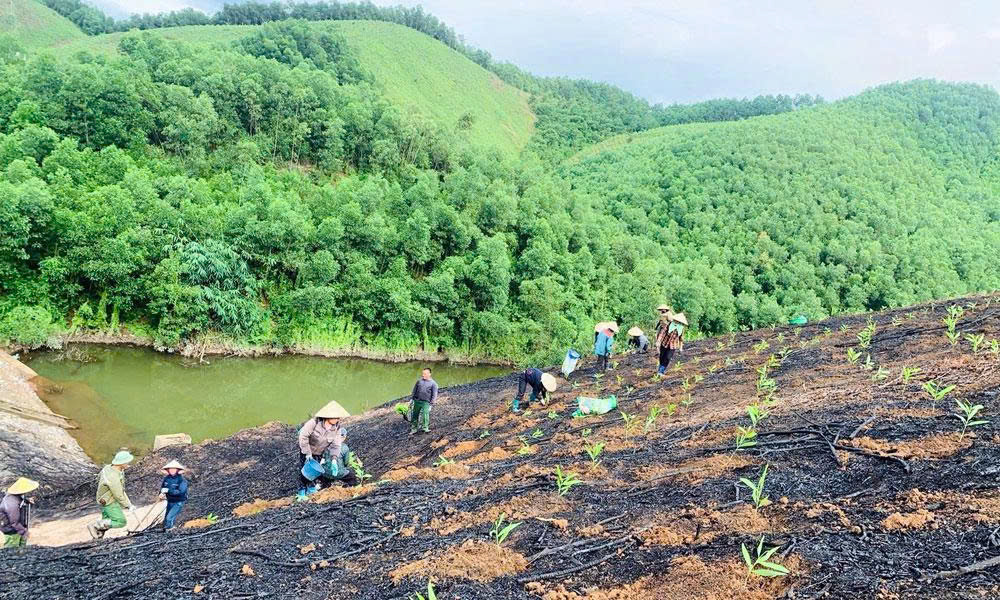
Forest development has also recorded positive results. In 2025, forest owners planted 1,855 hectares of new concentrated forests, reaching nearly 116% of the plan, including more than 1,000 hectares of large-timber forests. Nearly one million scattered trees were also planted, improving forest cover and the ecological environment.
Under forestry restructuring efforts aimed at increasing added value, local authorities have encouraged households to convert plantations into large-timber forests.
Converted areas have reached 720 hectares, exceeding targets and placing the Yen The forest ranger unit among the province’s leaders in this indicator.
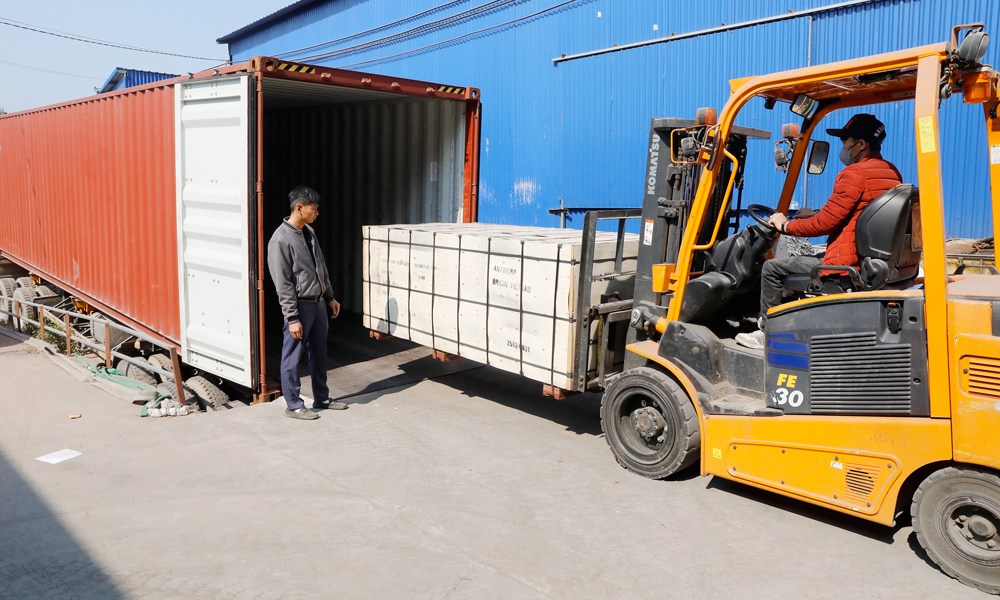
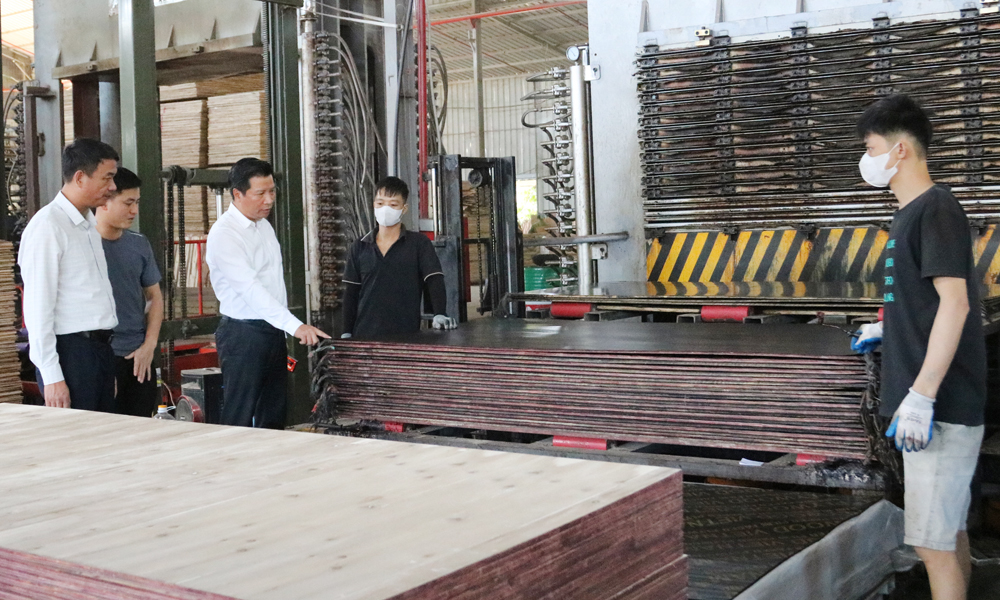
Extending harvesting cycles to 10–12 years has improved timber quality, meeting demand for deep processing and exports, particularly in furniture production.
Economic returns from forests have increased by 1.5 to two times, while also enhancing environmental protection functions.
Forest protection forces continue to maintain regular patrols, particularly in natural forests and border areas. Fire prevention and control remains a priority, especially during the dry season.
Following administrative restructuring, local forces have been strengthened, with 12 command units, 11 rapid-response teams and 77 village-level forest protection groups involving more than 1,200 people.
Detailed fire prevention plans have been developed, while forest owners are guided to clear vegetation and maintain firebreaks.
For the 2026–2031 period, local authorities and communities have identified sustainable forest protection and development as a key driver of growth, job creation and income improvement, with coordinated measures to further enhance forest management and forestry restructuring.












Reader's comments (0)