 Bắc Ninh


Deep processing of lychees eases sales pressure, boosts value
BAC NINH - Expanding the processing industry for agricultural products has long been a priority for Bac Ninh Province, one of Vietnam’s largest lychee-producing regions. By turning fresh fruit into processed goods, producers can extend shelf life, diversify export markets and increase the value of local farm products.
Despite abundant raw materials, however, the province still has only a handful of companies engaged in large-scale lychee processing, leaving the industry heavily dependent on the short annual fresh-fruit season.
 |
|
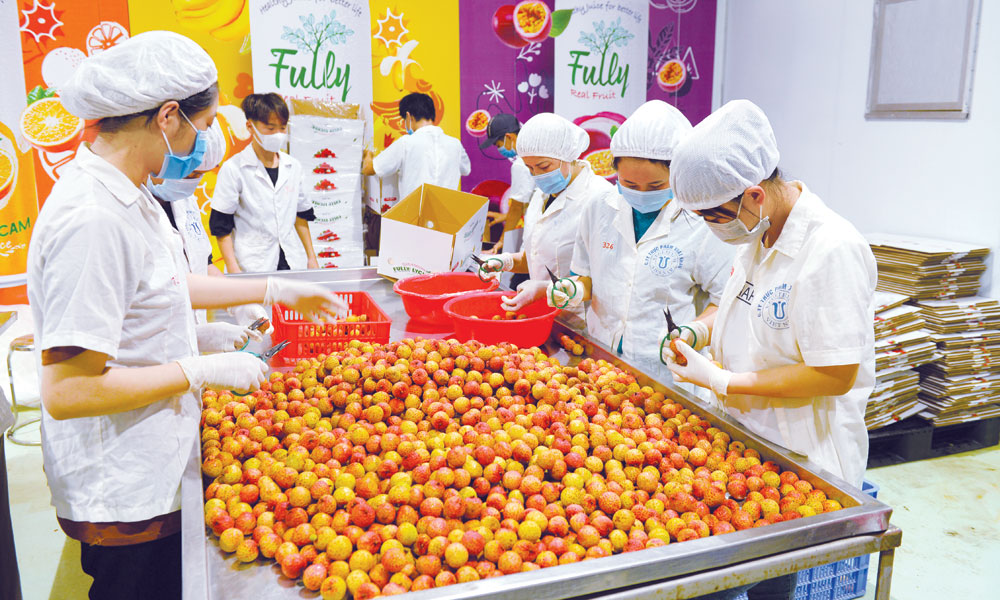
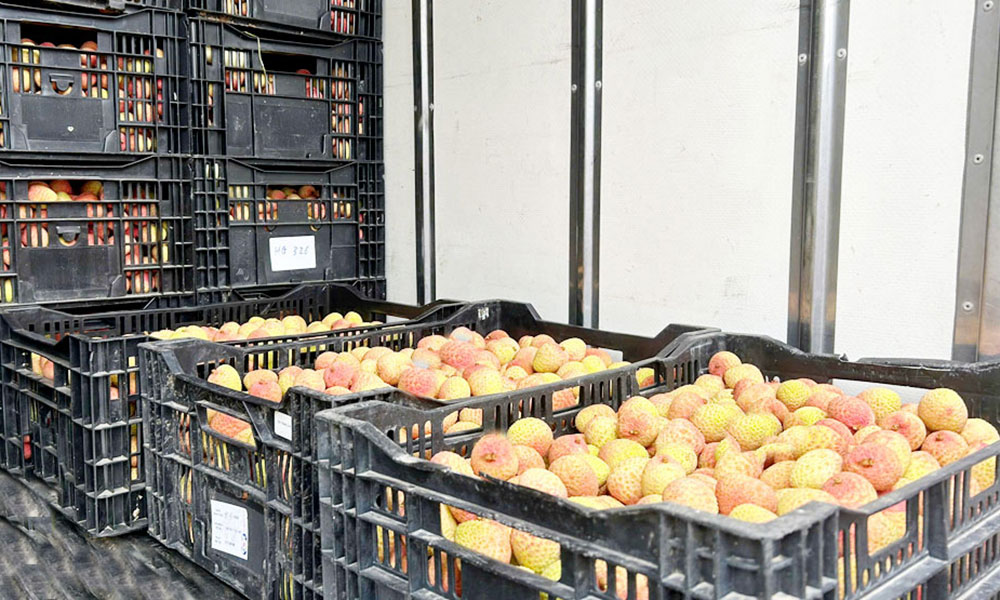
Lychees are sorted and processed at Global Food Import-Export JSC. |
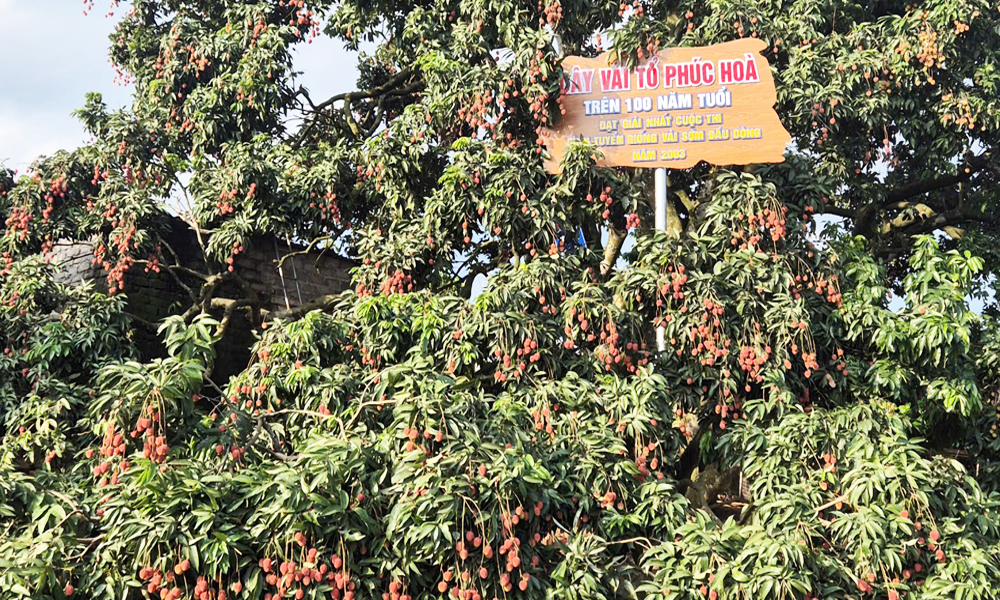
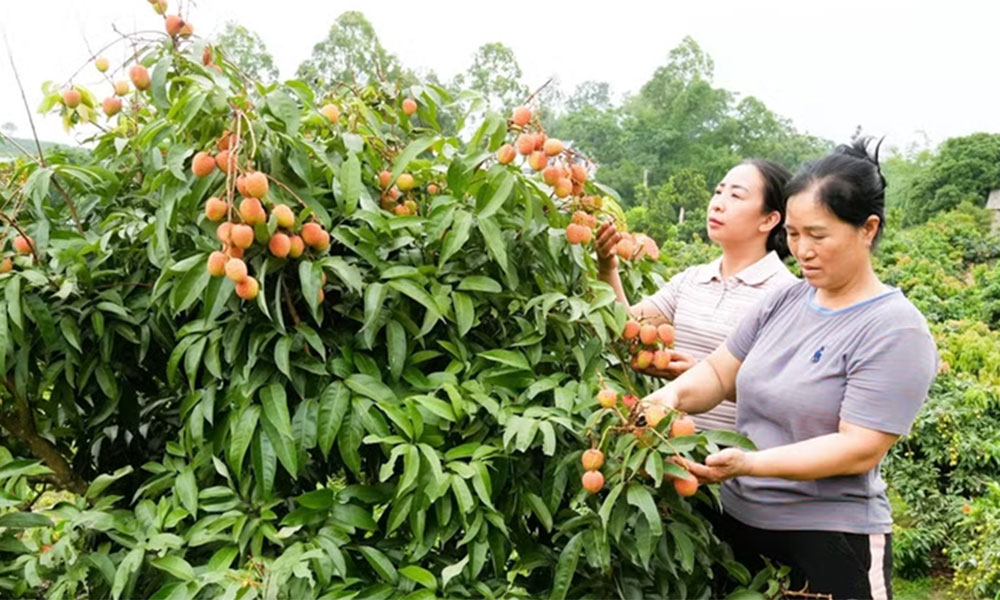
Bac Ninh produces between 120,000 and more than 200,000 tonnes of lychees each year, generating more than 6 trillion VND (228 million USD) in combined revenue from fruit sales and related services.
Yet the vast majority of the crop is still sold fresh, creating intense pressure on harvesting, transportation and consumption during a marketing window of just 45 days.
To reduce that pressure, local households, cooperatives and businesses have invested in facilities that transform lychees into dried fruit, canned products, juice, vinegar and other processed goods.
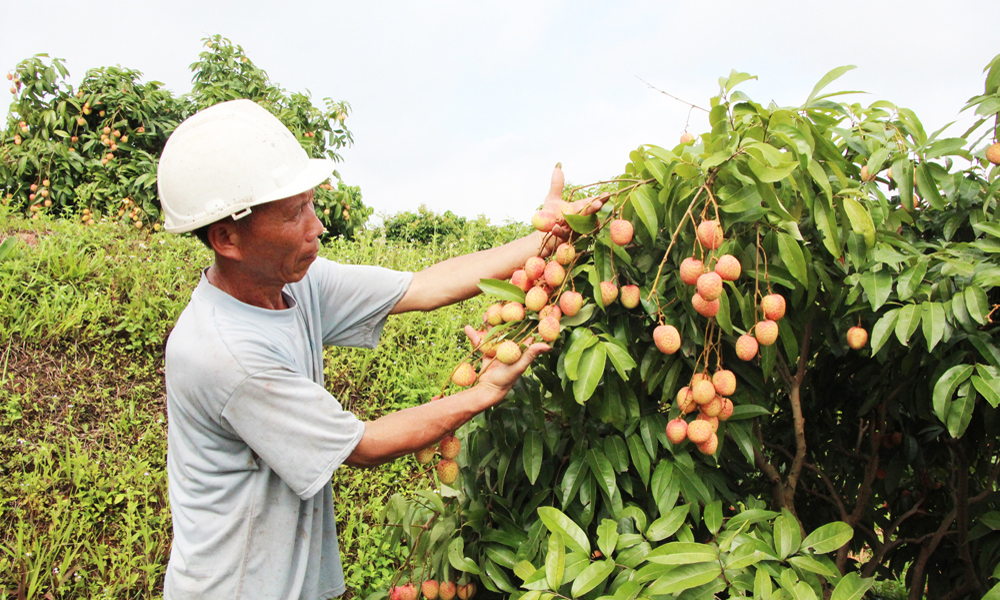
Vi Thanh Luan, a resident of Chu Ward, said dried lychees are mainly made from fruit that may not meet premium appearance standards but still offers excellent quality.
 |
|
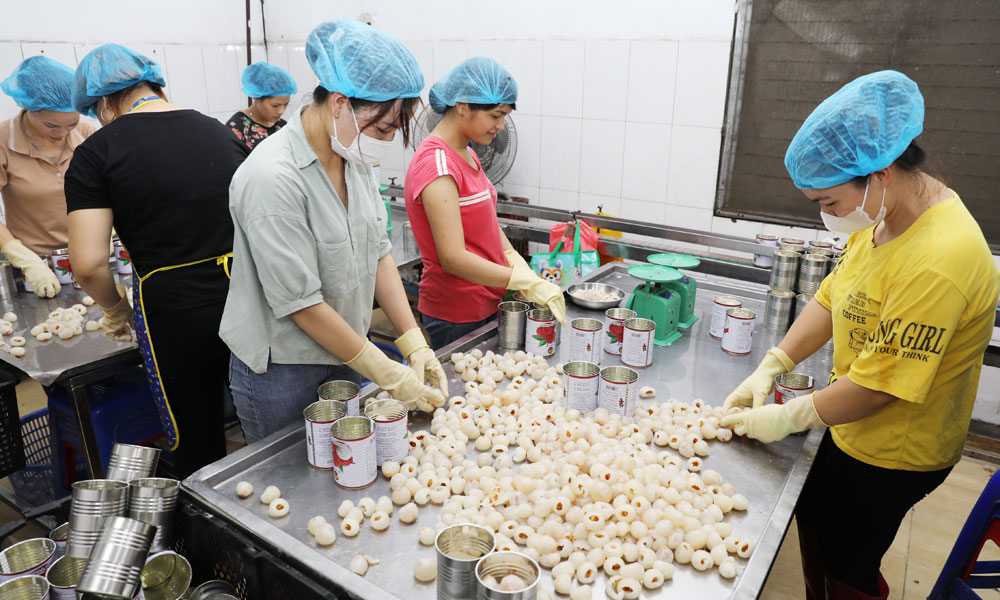
Canned lychees are produced at Hero Green Co., Ltd. |
“Processing significantly raises the product’s value while making use of fruit that is difficult to sell fresh,” he said, adding that the activity also creates jobs and additional income for local workers.
The province currently has three major lychee-processing companies: Global Food Import-Export JSC, Vifoco Import-Export JSC and Hero Green Co., Ltd.
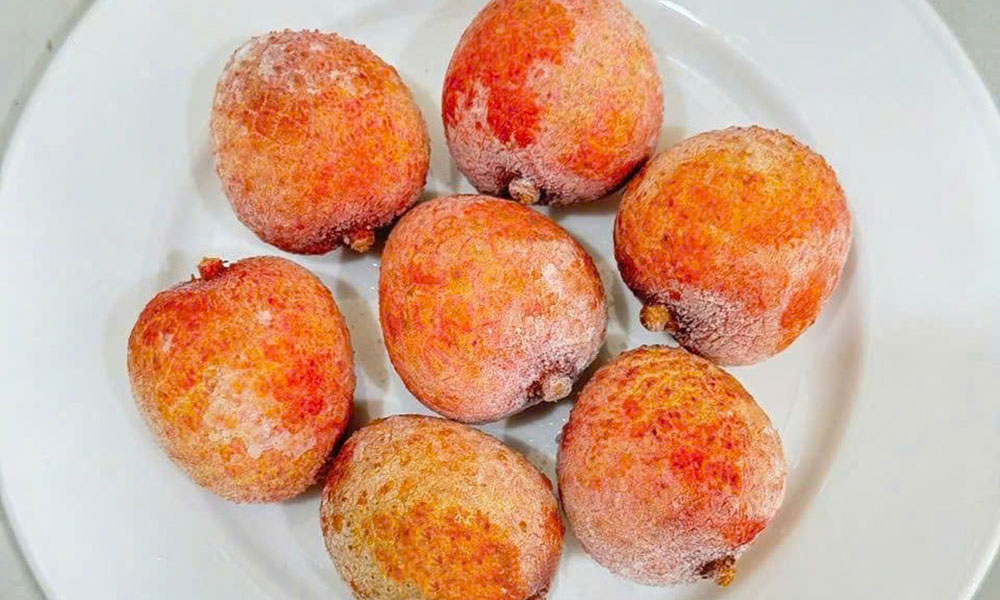
Their production focuses on canned lychees, frozen lychees and individually quick-frozen whole fruit, helping to extend storage times and stabilize the market during the peak harvest.
Nguyen Xuan Viet, Director of Vifoco, said processed lychee products have substantial growth potential.
“With synchronized investment in processing technology and preservation systems, the value of processed products can be 30% to 50% higher than traditional fresh-fruit sales,” he said.
Beyond increasing product value, the industry also provides employment. The province’s three export-oriented processing companies hire nearly 500 seasonal workers during the harvest, paying between 350,000 and 500,000 VND per person per day.
Still, the volume of processed lychees remains relatively modest. On average, only 10,000 to 15,000 tonnes of fresh lychees are dried annually, producing roughly 2,000 to 3,000 tonnes of finished products.
Exports of canned lychees amount to about 4,000 to 5,000 tonnes a year, meaning processed products account for only around 10% of total output.
Industry insiders say limited processing capacity and the short harvest period remain major obstacles. Another challenge is the weak linkage between processors and growers.
In years when harvests are smaller or fresh-fruit prices rise sharply, many farmers prefer to sell directly to traders rather than fulfill supply agreements with processors, leaving factories short of raw materials.
To encourage deeper processing, provincial authorities have promoted investment and supported businesses in accessing land, financing and modern equipment.
Several companies have received assistance in building cold-storage facilities and installing advanced drying and canning lines.
Nguyen Duc Hung, Director of Global Food Import-Export JSC, said the sector requires substantial capital while operating within a very short production season.
He believes stronger coordination between processors, traders and growing areas could significantly expand domestic processing capacity.
 |
|
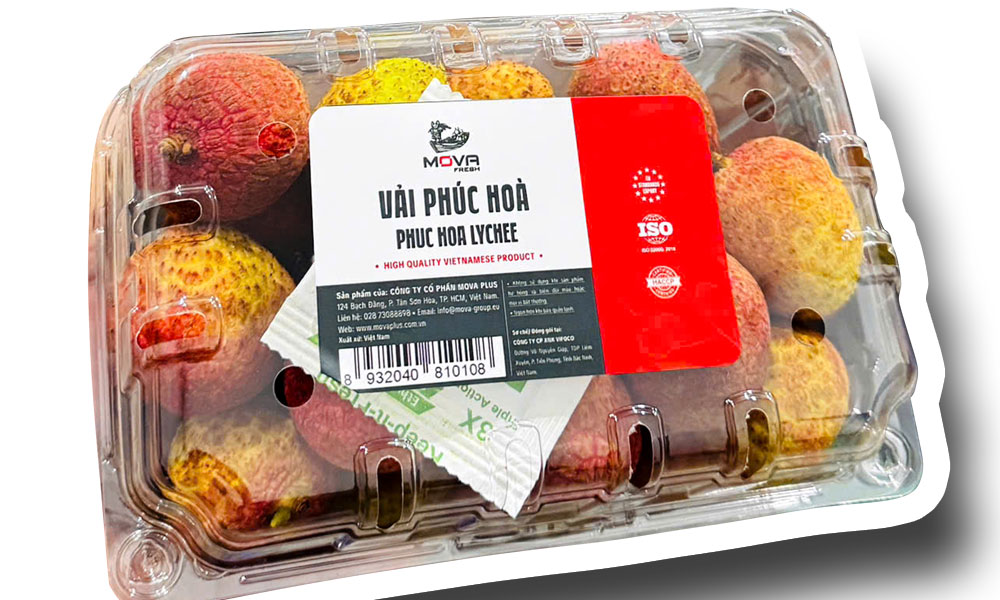
Fresh Phuc Hoa lychees are quick-frozen and packaged at Vifoco Import-Export JSC. |
“If supply chains are connected effectively, Vietnamese processors alone could absorb between 40,000 and 50,000 tonnes of lychees each season,” Hung said.
Hero Green Director Tran Viet Sy said stable, long-term contracts between businesses and farmers are essential for sustainable development.
Purchase prices should ensure reasonable profits for growers while allowing processors to maintain viable operations, reducing the risk that either side abandons agreements when market prices fluctuate.
Local officials and businesses say deeper processing will remain a key strategy for reducing dependence on the fresh-fruit market and creating higher-value products.
Achieving that goal will require stronger links among companies, cooperatives and farmers, alongside strict food safety standards, traceability systems and stable raw-material prices.
They also called for continued government support through preferential loans, expanded cold-storage infrastructure, reliable power supplies, stronger trade promotion and technology upgrades to help modernize the province’s processing industry.


Reader's comments (0)